
SGCI News
All Science Granting Councils should become fully digital through the Evidence in Policy (Evi-Pol) project. By Francis Kokutse [ACCRA] Robust digital data management systems are essential for African Science Granting…
Digital transformation project seeks to support evidence-based policy
Aim is for all Science Granting Councils to become ‘fully digital’
Roadmap, coaching available to help councils towards this goal
All Science Granting Councils should become fully digital through the Evidence in Policy (Evi-Pol) project.
By Francis Kokutse
[ACCRA] Robust digital data management systems are essential for African Science Granting Councils to support countries in formulating evidence-based policies, say research specialists at the Science Granting Councils Initiative (SGCI).
SGCI has developed the Evidence in Policy (Evi-Pol) project, which aims to help councils strengthen their capacity in data management and use research and development (R&D) data as evidence to inform national policy.
Idon-Nkhenso Sibuyi, Evi-Pol coach for SGCI, said the project was underpinned by a dedication to producing policy-relevant research and evidence in the domain of science, technology, and innovation in Africa.
“My position as coach is to provide support to the Science Granting Councils participating in the Evi-Pol project, to develop and operationalise customised roadmaps to digital transformation, as well as mapping out their pathways towards their data management systems,” said Sibuyi.
“Continued investment in research and innovation, supportive policy frameworks, and collaboration between governments, academia, industry, and civil society will be crucial for sustaining momentum and driving positive impact across the continent,” he added.
The Centre for Science, Technology and Innovation Indicators (CeSTII), a centre within the Human Sciences Research Council focused on the measurement of R&D and innovation in South Africa, is leading the Evi-Pol digital transformation project.
CeSTII is hosting a series of engagements, including a masterclass, workshops and coaching sessions, to support councils embarking on their digital transformation journeys. Many of these will be held online.
“By leveraging expertise in data management and governance, these sessions aim to equip councils with the necessary knowledge and tools to navigate the complexities of digitalisation,” said CeSTII research manager Darryn Whisgary.

Whisgary and his team believe that digital transformation is vital to improving the timeliness and quality of data collection, storage, analysis, and impact.
In collaboration with African Science Granting Councils, the Evi-Pol team at CeSTII has developed a digital transformation roadmap to aid councils in developing their systems, emphasising the crucial role of data governance.
“For councils with functional digital data management systems, roadmaps serve to pinpoint areas for future enhancement, taking into consideration changes in data privacy laws, technological advancements and other external factors,” Whisgary explained.
He said the roadmap would help councils to evaluate and build their digital capabilities in a modular way as funding and resources become available.
“We aim to build a community of practice for science, technology, and innovation measurement on the African continent that will continue even after the project’s life,” Whisgary added.
The roadmap includes a digital transformation maturity index and is complemented by a data governance toolkit and guide to data curation, tailored in consultation with nine councils.
The digital transformation maturity index was developed to assist councils in assessing their current digital capabilities and identifying priority areas for digital growth, said II-haam Petersen, chief research specialist at CeSTII.
The idea of digital maturity, central to the whole initiative, refers to digital capabilities such as trained IT staff and computer literacy among the wider workforce, as well as IT equipment and digital rather than paper-based records, she explained.
“The aim is that all councils will, over time and with the availability of funding, become fully digital,” said Petersen.
“This means that councils will streamline the grant applications process and be able to collect and manage science, technology and innovation.”
To ensure long-term access to the resources, Evi-Pol is digitalising all of its toolkits and guides, which will be available through the Human Sciences Research Council’s repository.
Managing a digital data management system requires specific skills and expertise often lacking within councils, according to Petersen.
“To mitigate these challenges, all councils were requested to appoint a digital transformation champion who will lead the work within the council with guidance and coaching,” she added.
It is hoped that the initiative will establish new networks and platforms that strengthen collaboration, with the potential for joint funding initiatives in the future, Petersen added.
Related News

NRF champions science, climate action and youth empowerment
Kenya’s National Research Fund (NRF) is strengthening efforts to connect scientific research, innovation and youth participation with practical responses to climate and environmental challenges. NRF chief executive officer Dickson Andala represented the fund at the launch of the Climate Policy and Advocacy Training – Cohort…
Windhoek Declaration: African science funders pledge to act as one
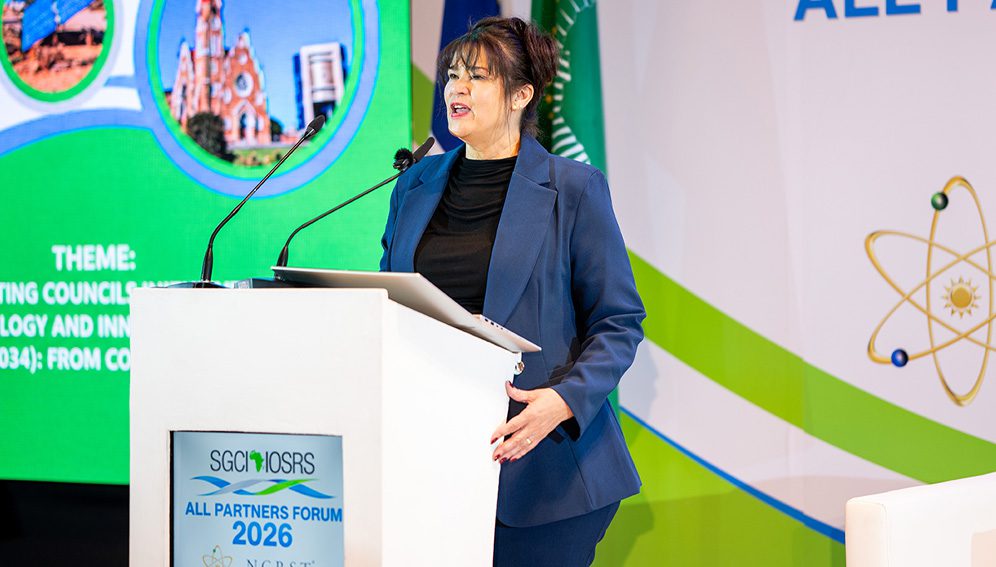
Science granting councils say Africa’s research systems need African ownership, steadier funding and less fragmentation. Here is what they agreed in Windhoek. African science granting councils adopted a collective declaration in Windhoek, Namibia, on 1 October 2026, as part of the Science Granting Councils Initiative…
Africa’s science councils urged to turn pledges into real impact
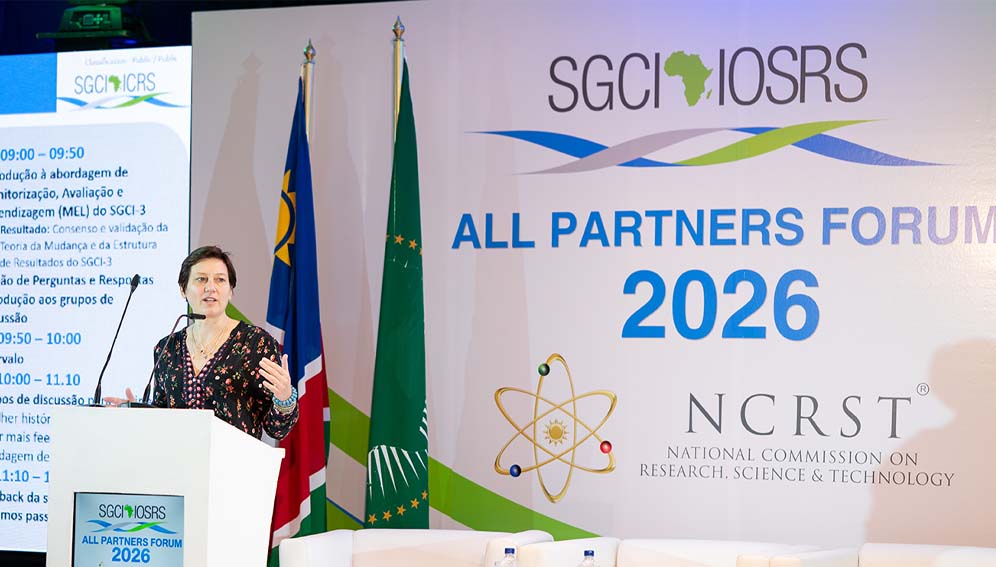
[NAMIBIA] African countries must strengthen collaboration, invest in research and scientists, and take greater ownership of science, technology and innovation if research is to deliver lasting development impact, participants at the 2026 Science Granting Councils Initiative (SGCI) All Partners Forum have said. The call came…
Research and Resources

SGCI funded projects

Rwanda’s integrated approach to sustainable agriculture and nutrition
Project Titles & Institution Areas of Research Number of Projects being funded Project Duration Grant Amount In-Kind Distribution Council Collaboration with other councils