
Tanzania
Science Granting Council
Summary
The Tanzania Commission for Science and Technology (COSTECH) coordinates, promotes, and facilitates research and technology development to foster innovation and drive socio-economic progress in Tanzania. It serves as the principal advisory body to the government on matters related to science, technology, and innovation
Council details
The Tanzania Commission for Science and Technology (COSTECH) is the government’s principal advisory body on science, technology, and innovation. It coordinates, promotes, and facilitates research and technological development to foster national progress and improve the lives of Tanzanians.
COSTECH operates as three integrated entities: the Commission, the Centre, and the funding body. These institutions work together to support science, technology, and innovation (STI) that meets Tanzania’s development priorities.
Through strategic research investments, COSTECH is building a strong national innovation system that enhances productivity, encourages entrepreneurship, and supports evidence-based policy development.
Enhancing Research and Innovation through the SGCI
As a member of the Science Granting Councils Initiative (SGCI), COSTECH has benefited from support that has strengthened its internal structures and practices. SGCI funding enabled the review and improvement of the institutional framework, enhancing COSTECH’s effectiveness.
One major outcome has been the integration of gender mainstreaming across COSTECH’s programmes and operations. SGCI support has also improved ways of working and created opportunities for joint learning with other African Science Granting Councils.
COSTECH has funded fifteen projects under the SGCI framework. These include seven in emerging technologies, four focused on food security, and four in industrialisation and manufacturing. The projects address national priorities while building research capacity and promoting innovation.
Tanzania has also participated in a collaborative multi-country project through SGCI. This project brought together institutions from South Africa, Kenya, the Netherlands, China, and Tanzania to address shared development challenges.
Leadership Perspective: Shaping Tanzania’s Future Through Innovation
In a recent interview, Dr Amos Nungu, Director General of COSTECH, shared the Commission’s impact and vision. He highlighted the value of SGCI membership in enhancing Tanzania’s STI capacity and advancing inclusive, sustainable development.
COSTECH, one of Africa’s longest-standing science councils, continues to shape Tanzania’s future through innovation and knowledge-led growth.
Impact we’re having

Stories of change
Low-tech health app engages
Five years after its launch, PENSA – a mobile app developed in Mozambique— has been accessed by…
SGCI funded projects

7 AI Projects driving progress in Tanzania
Project Titles & Institution Areas of Research Number of Projects being funded Project Duration Grant Amount In-Kind Distribution Council Collaboration with other councils


Related News

NRF champions science, climate action and youth empowerment
Kenya’s National Research Fund (NRF) is strengthening efforts to connect scientific research, innovation and youth participation with practical responses to climate and environmental challenges. NRF chief executive officer Dickson Andala represented the fund at the launch of the Climate Policy and Advocacy Training – Cohort…
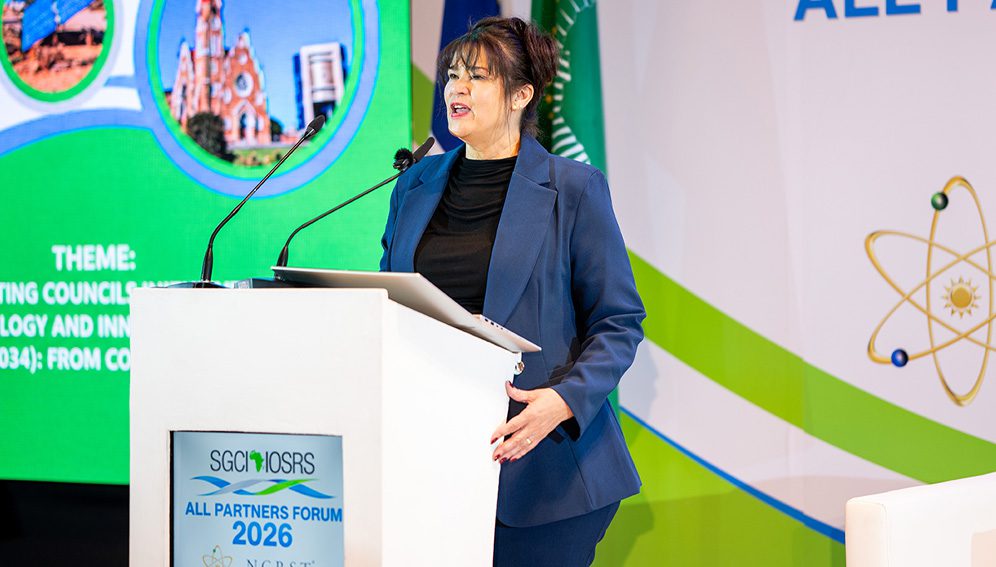
Windhoek Declaration: African science funders pledge to act as one
Science granting councils say Africa’s research systems need African ownership, steadier funding and less fragmentation. Here is what they agreed in Windhoek. African science granting councils adopted a collective declaration in Windhoek, Namibia, on 1 October 2026, as part of the Science Granting Councils Initiative…
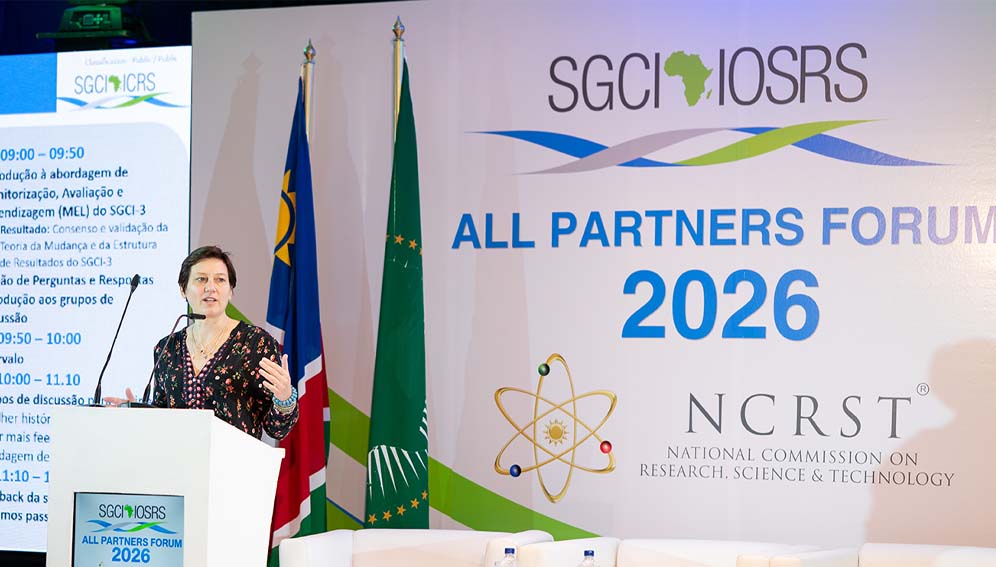
Africa’s science councils urged to turn pledges into real impact
[NAMIBIA] African countries must strengthen collaboration, invest in research and scientists, and take greater ownership of science, technology and innovation if research is to deliver lasting development impact, participants at the 2026 Science Granting Councils Initiative (SGCI) All Partners Forum have said. The call came…