
SGCI News
How does Malawi move from pockets of innovation to a truly connected national ecosystem? In this interview with the Science Granting Councils Initiative, Isaac Chingwota, acting director for Technology Transfer,…
How does Malawi move from pockets of innovation to a truly connected national ecosystem? In this interview with the Science Granting Councils Initiative, Isaac Chingwota, acting director for Technology Transfer, Innovation and Commercialisation at the National Commission for Science and Technology (NCST), explains why coordination and data are central to unlocking Malawi’s innovation potential.
Malawi is brimming with inventive minds, but for too long, many of these breakthroughs have happened in isolation.
The National Commission for Science and Technology (NCST) is taking decisive steps to change that narrative, moving beyond oversight to become a central driver of a more unified national innovation ecosystem.
“We have a responsibility to coordinate and promote innovation in the country,” says Isaac Chingwota, acting director for Technology Transfer, Innovation and Commercialisation at NCST. “But to do that effectively, we need to understand how we are actually performing across the innovation ecosystem.”
Why coordination starts with data
For Chingwota, the challenge begins with visibility.
“For a while, we haven’t been able to organise ourselves to collect that data,” he explains. “We need to know how the private sector is performing? How is the research sector generating innovations? And what is the linkage between the two?”
The lack of consolidated data has made it difficult for Malawi to accurately track innovation trends or report its progress to the global community.
As a result, the country’s performance on platforms such as the Global Innovation Index may not fully reflect the innovation activity taking place on the ground.
“We might be supporting areas that aren’t backed by data,” Chingwota admits. “That’s why we are shifting towards a framework that allows us to design programmes based on real-world performance.”
Without reliable data, policy decisions risk being disconnected from reality, while innovation support programmes may fail to reach the sectors and actors that need them most.
From diagnosis to action
This realisation prompted NCST, with support from partners including the Technical Entrepreneurial and Vocational Education and Training Authority (TEVETA), to convene a national conference late last year.
The objective was to talk about innovation and take stock of where Malawi stands and what is missing.

At the conference, NCST presented an assessment of the country’s innovation performance, drawing on indicators such as the Global Innovation Index and other benchmarking tools.
The discussions that followed led to a shared conclusion that Malawi needs a more formal and coordinated system for innovation data collection and reporting.
“We agreed that we need a network that can collect data consistently, report it on time, and use it to inform policy,” Chingwota says.
That conversation has since evolved into concrete action.
Building the national innovation coordination network
NCST is now in the process of formalising the National Innovation Coordination Network (NICN), a platform designed to bring together key actors across government, academia, the private sector, and innovation hubs.
“The conference helped us develop the terms of reference for the network,” Chingwota explains. “Right now, we are constituting it and putting together a reporting framework that all stakeholders can adopt.”
The framework will define what data is collected, who reports it, and the timelines involved. This shared system will allow NCST to track trends, identify gaps, and provide targeted support where it is most needed.
Feedback from stakeholders so far has been encouraging. According to Chingwota, there is growing recognition that without coordination, innovation support risks being misdirected.
Early signals from the private sector
Although some findings are still being finalised, early signals are already emerging. Drawing from an unpublished business innovation survey, Chingwota points to information and communication technology (ICT) as a standout area of strength in Malawi’s private sector.
“ICT is one area where we seem to be doing quite okay,” he says, noting that this includes digital solutions, artificial intelligence applications, and, notably, fintech.
“In fact, some of the most successful private companies in Malawi are in fintech,” he adds.
A strategic partnership with TEVETA
NCST’s vision for a coordinated innovation ecosystem is now being advanced through its collaboration with TEVETA Malawi.
By partnering with TEVETA, NCST is widening the innovation lens beyond universities and research institutions to include technical, vocational, and community-based innovators, many of whom operate outside formal innovation spaces.
Together, the institutions are laying the groundwork for a national committee that will track, surface, and support innovations across the country, including those emerging in rural and underserved areas.
For NCST, the message is that innovation cannot thrive in silos. Only through deliberate coordination, shared data, and cross-sector collaboration can Malawi build an innovation ecosystem capable of driving sustainable and inclusive economic growth.
Please check out the stories and let us know what you think. We would love to hear from you!
Let’s continue the conversation on our social media
Published on 4 February 2026
Written by Jackie Opara-Fatoye
Related News
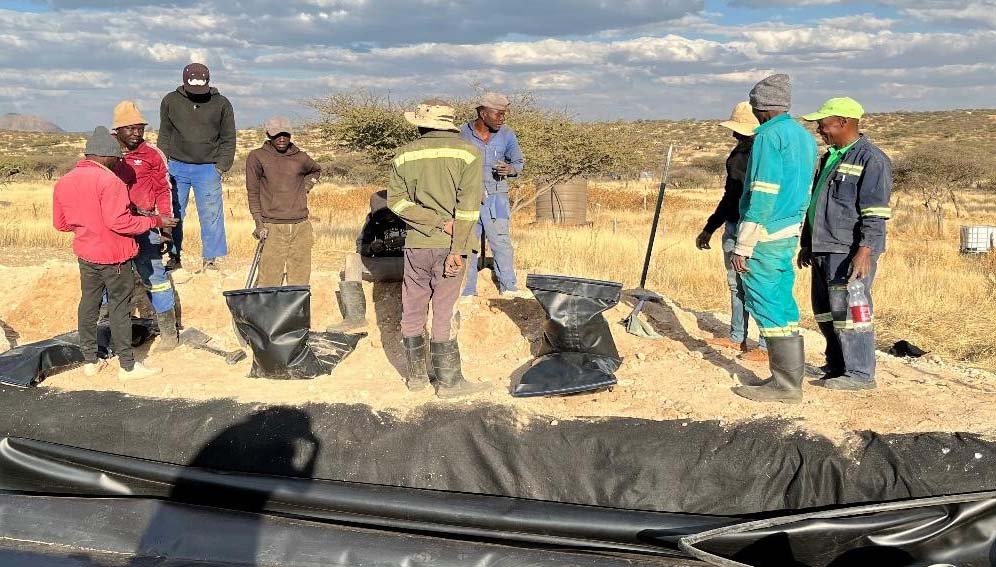
Community biogas project reduces waste in Namibia
In Groot Aub, a semi-rural settlement on the outskirts of Windhoek, Namibia, cooking a simple meal once came at a cost of time, money, and health. Firewood smoke-filled kitchens, and households spent significant portions of their income on fuel. For many, firewood alone costs up…

Transforming research funding for gender equity in Africa
Decisions about what gets funded, who receives grants, and which questions are considered worth asking shape the very nature of knowledge. And for too long, those decisions have reflected and reinforced deep inequalities, particularly for women, who make up only 30 per cent of researchers…
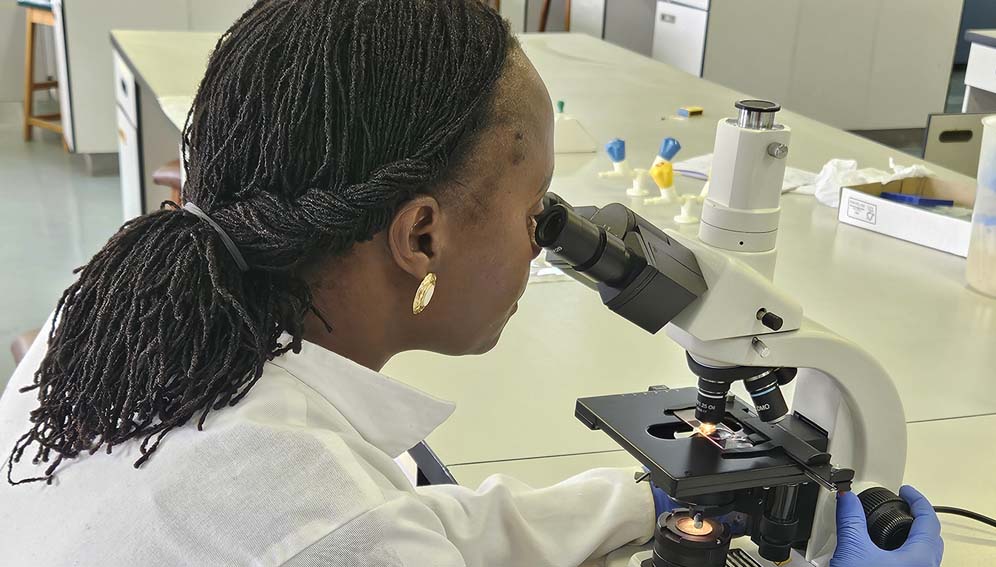
Microbes offer path to climate-smart farming
In Namibia’s dry and unpredictable climate, where farmers contend with poor soils and short rainfall seasons, researchers are working to reshape how crops are grown across the country. At the University of Namibia, Moola Nyambe is leading this research with support from the Science Granting Councils Initiative (SGCI) through Namibia’s…
Research and Resources

SGCI funded projects

Rwanda’s integrated approach to sustainable agriculture and nutrition
Project Titles & Institution Areas of Research Number of Projects being funded Project Duration Grant Amount In-Kind Distribution Council Collaboration with other councils