
SGCI News
Mary Abukutsa, a leading researcher on African indigenous vegetables (AIVs) from Jomo Kenyatta University of Agriculture and Technology (JKUAT) and a Science Granting Councils Initiative (SGCI) research fund beneficiary, has…
Mary Abukutsa, a leading researcher on African indigenous vegetables (AIVs) from Jomo Kenyatta University of Agriculture and Technology (JKUAT) and a Science Granting Councils Initiative (SGCI) research fund beneficiary, has been named the 2025 Africa Food Prize laureate for her ground-breaking work in advancing African indigenous vegetables.
The announcement was made in Dakar, Senegal, during the 2025 Africa Food Systems Forum on Wednesday, 3 September, where Abukutsa and Mercy Diebiru-Ojo, a seed innovator from Nigeria, were declared joint recipients of the US$100,000 Africa Food Prize.
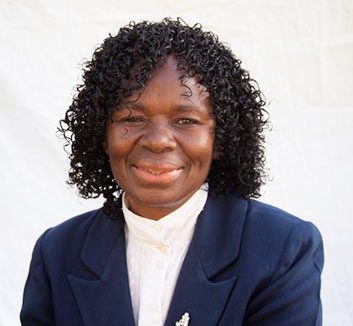
Through Kenya’s National Research Fund, the SGCI supported Abukutsa’s project –Upscaling African Indigenous Vegetables Climate Smart Technologies for Food and Nutrition Security in Kenya.’
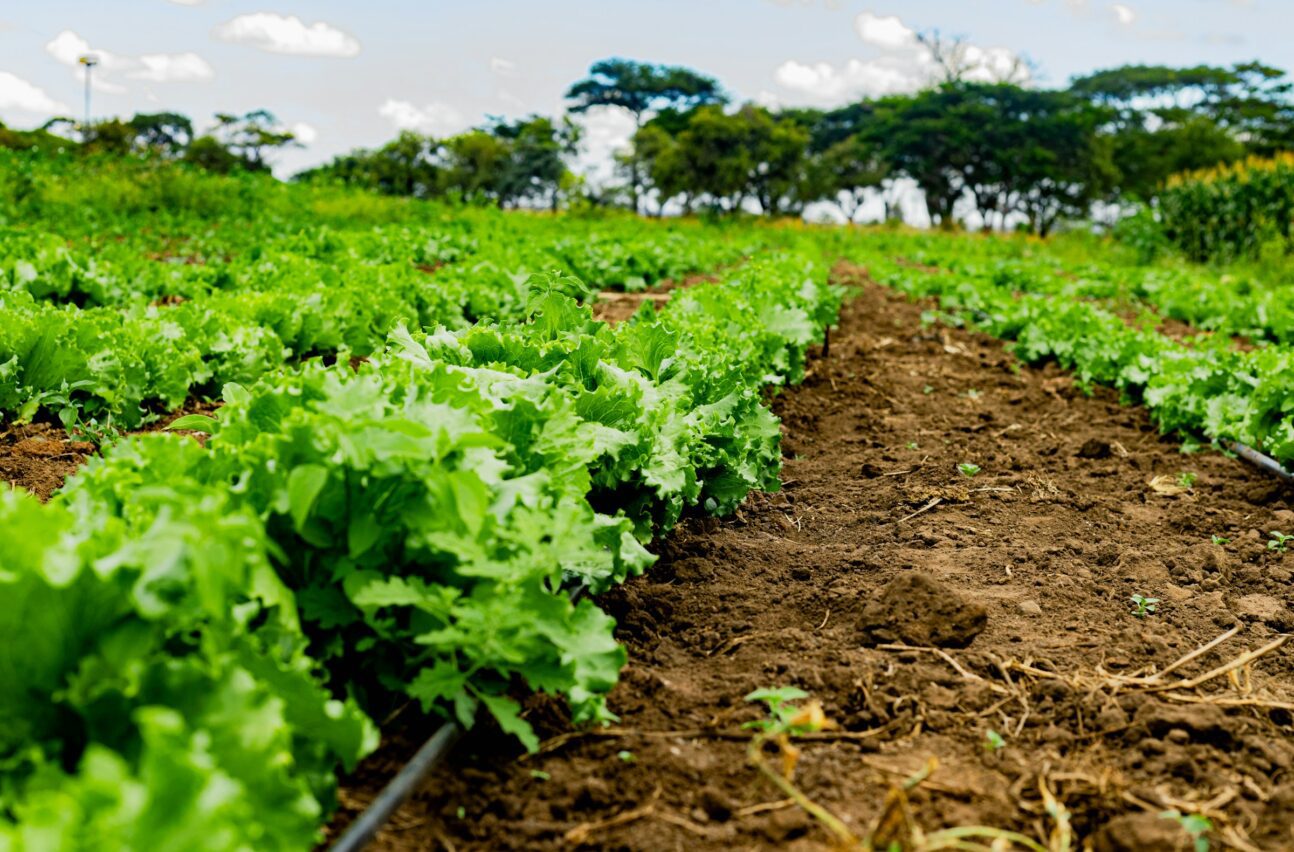
The project was launched in 2023. The initiative targets farmers in Kakamega and Kiambu counties, promoting the cultivation of African nightshade and jute mallow using climate-smart technologies and registered seed varieties.
Abukutsa, a professor of horticulture at JKUAT, is leading the project in partnership with Masinde Muliro University of Science and Technology and the Inter-Region Economic Network, Growthpad, an export company.
Its goal is to strengthen food and nutrition security, increasingly threatened by climate change, through the sustainable production, commercialisation, and utilisation of African indigenous vegetables.
By promoting nutrient-rich vegetables with climate-smart techniques, Abukutsa’s team is creating climate-resilient food systems that nourish communities while generating new income streams for farmers, particularly women growers.
Read the full story of Abukutsa’s SGCI-funded project published on the SGCI website and in the SGCI Footprint newsletter.
The SGCI congratulates Abukutsa on this well-deserved recognition of her lasting impact on African agriculture and food security.
Please check out the stories and let us know what you think. We would love to hear from you!
Let’s continue the conversation on our social media.
Published on 10 September 2025
Related News
Voices from the SGCI Forum: Building an African-led science system
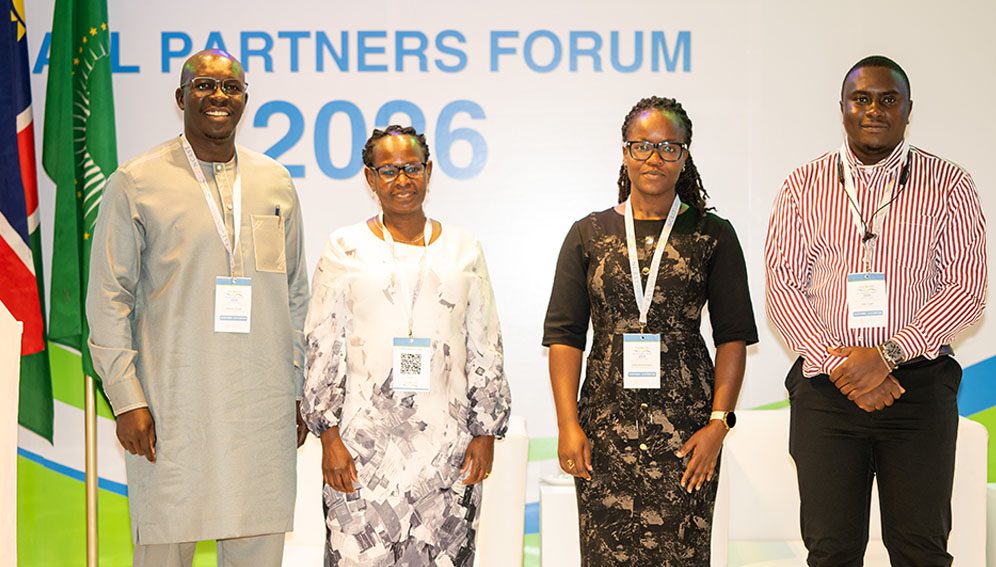
From calls for African-led research funding to stronger engagement with communities and governments, participants at the 2026 Science Granting Councils Initiative (SGCI) All Partners Forum left Windhoek with a shared sense that Africa’s science and innovation systems are entering a new phase. Held from 28…
NRF champions science, climate action and youth empowerment
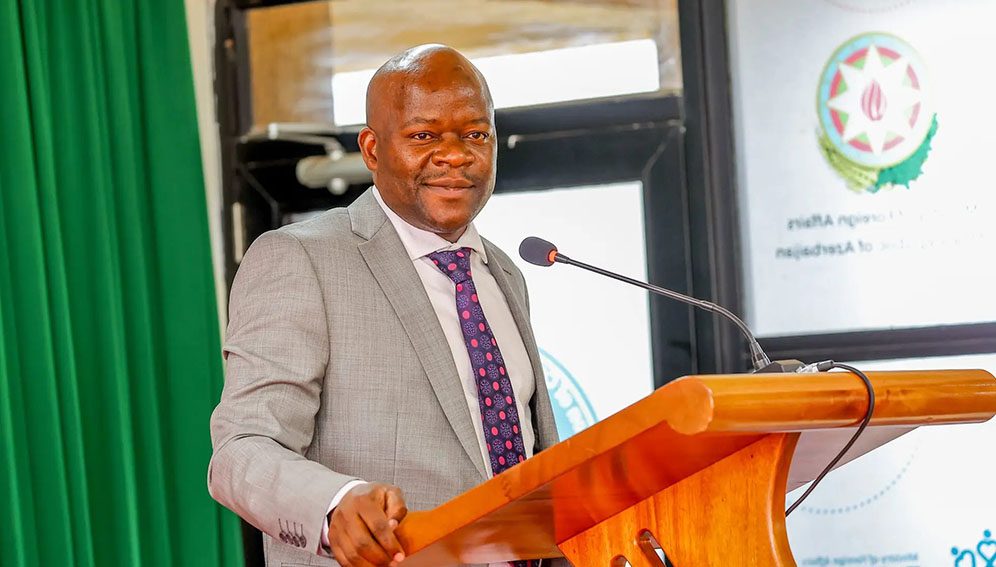
Kenya’s National Research Fund (NRF) is strengthening efforts to connect scientific research, innovation and youth participation with practical responses to climate and environmental challenges. NRF chief executive officer Dickson Andala represented the fund at the launch of the Climate Policy and Advocacy Training – Cohort…
Windhoek Declaration: African science funders pledge to act as one
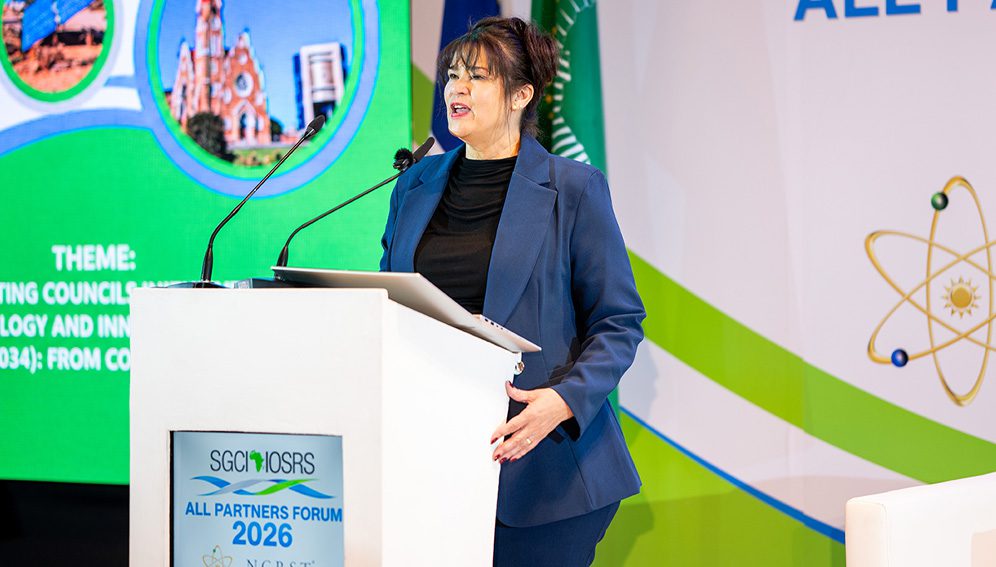
Science granting councils say Africa’s research systems need African ownership, steadier funding and less fragmentation. Here is what they agreed in Windhoek. African science granting councils adopted a collective declaration in Windhoek, Namibia, on 1 October 2026, as part of the Science Granting Councils Initiative…


SGCI funded projects
Rwanda’s integrated approach to sustainable agriculture and nutrition
Project Titles & Institution Areas of Research Number of Projects being funded Project Duration Grant Amount In-Kind Distribution Council Collaboration with other councils