
SGCI News
A research and innovation management program helps scientific research granting agencies to select and fund the most effective projects. By Afeez Bolaji A new project tackles the research and innovation…
- Research management project to promote research, innovation and development in Africa
- It will help scientific research funding agencies to identify and manage effective research.
- The aim of this project is to stimulate economic and social development in sub-Saharan Africa.
A research and innovation management program helps scientific research granting agencies to select and fund the most effective projects.
A new project tackles the research and innovation challenges facing sub-Saharan Africa, bridging funding gaps and gender imbalances to boost development in the region.
The Research and Innovation Management (RIM) project was driven by the Scientific Research Granting Agencies Initiative (SRGI) to help the 17 member councils identify, fund and manage effective research and innovation projects in the countries where they operate.
IOSRS is a regional initiative created to promote science and innovation.
The RIM project brings together research and innovation players to stimulate development at national and regional levels, says Cephas Adjei Mensah, Director of Research, Statistics and Information Management at Ghana’s Ministry of Environment, Science, Technology and Innovation.
“The RIM project has been a real blessing,” he said.
“We have been able to design our own research, innovation and management framework by identifying the projects we fund in line with national priorities.”
“We have launched our first two calls for research projects [au Ghana], in September and October 2023. We received over 100 applications, including collaborative projects,” he declared.
Cephas Mensah acknowledged the lack of immediately available funds, explaining that solution-based proposals would be considered as funds became available.
He added that Ghana’s Scientific Research Granting Council was working to increase public funding for research and innovation.
“We also want to improve collaboration and communication on our actions to get partners on board who are willing to join our initiative,” he added.
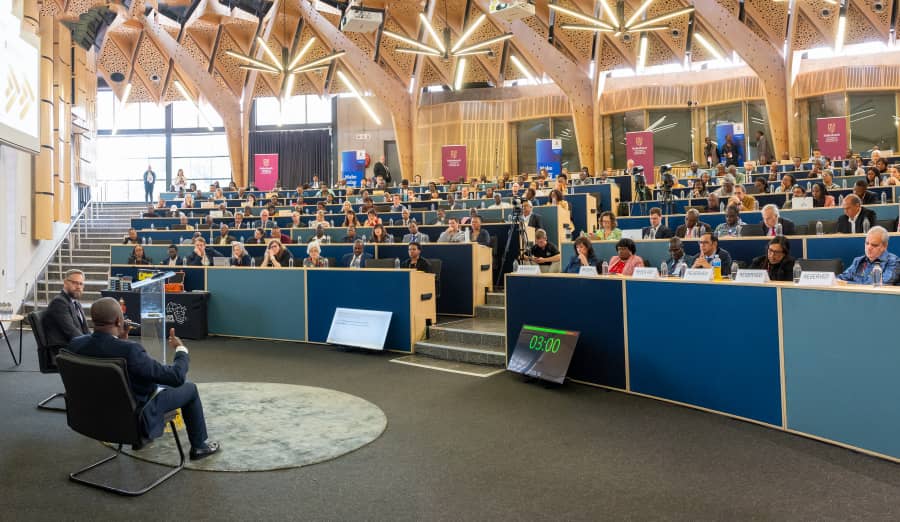
The RIM project is being implemented by a consortium comprising the African Centre for Technical Studies, the Association of African Universities and the Université Cheikh Anta Diop de Dakar.
Frederick Ato Armah, Director of Research and Programs at the Association of African Universities, reported that the councils had funded 81 projects through the RIM project, including 25 public-private partnerships.
He added that at least six councils had launched calls for research projects aimed exclusively at women.
“For example, the councils of Ghana and Zambia have launched bilateral calls for tender aimed at increasing the number of women-led projects in agro-processing and food processing.”
He believes that all the projects selected have the potential to transform countries that have set up such councils.
“Ultimately, the projects selected by the 17 councils can, potentially, generate social change, foster economic growth and improve the well-being of the populations concerned by the grants,” he said.
The RIM project should improve the organizations’ ability to fund research projects and foster economic and social development in their respective countries, he added.
He said the councils were developing action plans, including effective monitoring, evaluation and learning systems, to measure the progress made by the RIM project and funded projects, so that managers are accountable for results and make informed decisions.
“As a result, each country’s Science, Technology and Innovation (STI) systems will become more effective and play a vital role in promoting inclusive development in sub-Saharan Africa,” added Frederick Ato Armah. IOSRS is a multilateral initiative set up to strengthen the institutional skills of public scientific funding agencies in sub-Saharan Africa, and to provide financial support for research and strategies based on reliable data that will contribute to economic and social development.
Related News
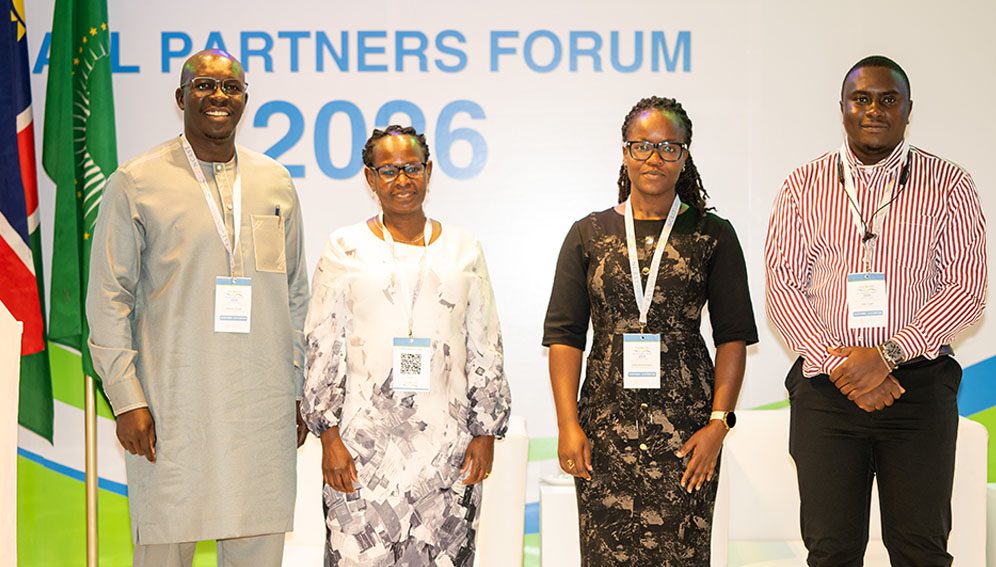
Voices from the SGCI Forum: Building an African-led science system
From calls for African-led research funding to stronger engagement with communities and governments, participants at the 2026 Science Granting Councils Initiative (SGCI) All Partners Forum left Windhoek with a shared sense that Africa’s science and innovation systems are entering a new phase. Held from 28…
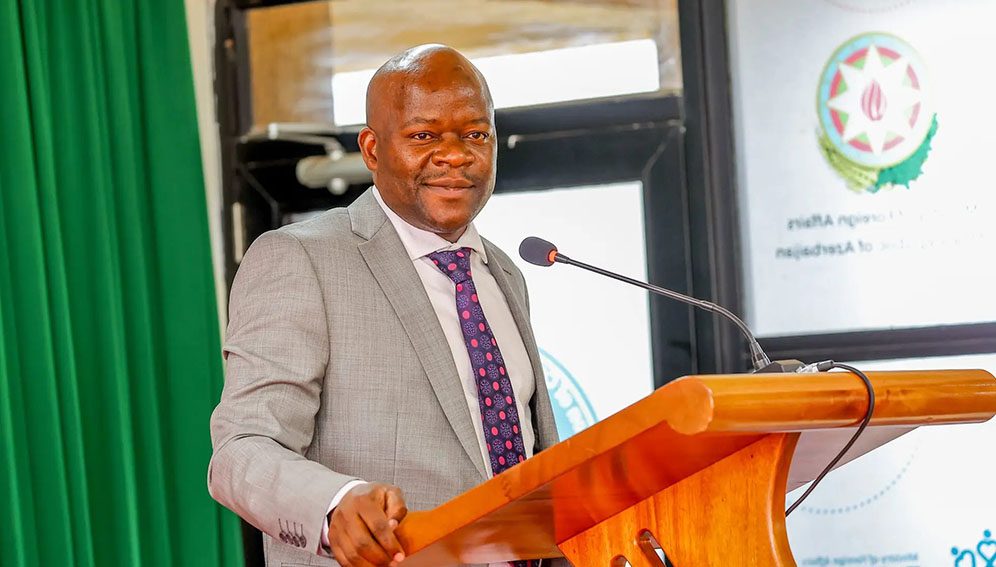
NRF champions science, climate action and youth empowerment
Kenya’s National Research Fund (NRF) is strengthening efforts to connect scientific research, innovation and youth participation with practical responses to climate and environmental challenges. NRF chief executive officer Dickson Andala represented the fund at the launch of the Climate Policy and Advocacy Training – Cohort…
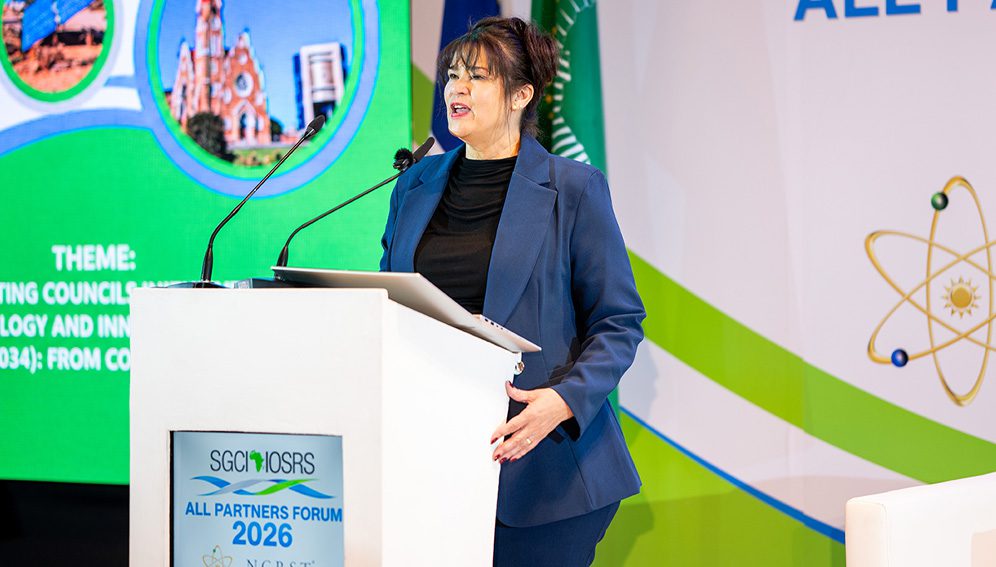
Windhoek Declaration: African science funders pledge to act as one
Science granting councils say Africa’s research systems need African ownership, steadier funding and less fragmentation. Here is what they agreed in Windhoek. African science granting councils adopted a collective declaration in Windhoek, Namibia, on 1 October 2026, as part of the Science Granting Councils Initiative…


SGCI funded projects

Rwanda’s integrated approach to sustainable agriculture and nutrition
Project Titles & Institution Areas of Research Number of Projects being funded Project Duration Grant Amount In-Kind Distribution Council Collaboration with other councils