SGCI News
Officials say other sources of funding are available, pending the inauguration of Ghana’s $50 million research fund. Fast playback Ghana Research Fund not yet fully operational But senior officials claim…
Officials say other sources of funding are available, pending the inauguration of Ghana’s $50 million research fund.
| Fast playback |
| Ghana Research Fund not yet fully operational |
| But senior officials claim that funds for research are available from other sources. |
| IOSRS partnerships also increase research funding in the region |
By Chioma Umeha
Sources of funding are available to support innovation in Ghana, despite delays in setting up the new research fund, according to a senior official.
The Ghanaian government has committed to releasing $50 million in initial capital for the Ghana Research Fund (GNRF), created in accordance with the Ghana Research Fund Act (Act 1056), which was passed in 2020.
However, this fund, which will provide financial support for university research and research organizations, is still not operational.
Cephas Adjei Mensah, Director of Research, Statistics and Information Management at Ghana’s Ministry of Environment, Science, New Technologies and Innovation, said that in the meantime, the government was releasing funds through the Ghana Higher Education Commission to support research and development.
He did not specify when the new research fund would start awarding grants, but added that the Research Granting Agencies Initiative (RGIA) had prompted the government to commit to releasing additional funds for research.
IOSRS is a multilateral initiative set up to strengthen the institutional skills of public funding agencies for scientific research in Sub-Saharan Africa, to provide financial support for evidence-based research and policies that will contribute to economic and social development in the region.
” Thanks to IOSRS, we are more involved and active in the research field, as we have the opportunity to co-organize activities and award research grants with a commitment to do more ,” said Cephas Mensah, also the IOSRS representative in Ghana.
” We have finalized several initiatives for science, new technologies and innovation, such as the Ghana-United Kingdom Strategic Partnership, the Ghana-Korea program, the agreement with the South African Research Foundation and several grants from the Global Research Council. “
Cephas Mensah added that, through IOSRS, Ghana has collaborated with other councils in Côte d’Ivoire, Uganda and Zambia.
He added that IOSRS had provided technical and financial assistance for the creation of the Ghana Research Fund, and had helped to improve the quality of research and innovation indicators.
” In addition, we have access to global experts who are helping us to set up the Ghana Advisory Board for Science, New Technologies and Innovation, as well as the Innovation Coordination Agency ,” he added.
In November 2023, at the annual IOSRS forum organized by the Kenya Research Fund (NRF-KE), members of the various councils praised the impact of IOSRS on their research management systems.
Wilfred Dennis, Head of Research, Statistics and Information Management at Ghana’s Ministry of Environment, Science, New Technologies and Innovation, sees IOSRS as making a significant contribution to improving Ghana’s science system, and supporting the research and development of new technologies, products and services to improve people’s lives and livelihoods.
” The successes recorded by the various IOSRS bodies and by the training sessions organized regularly by the project management team and the collaborative technical agencies play a leading role, encouraging the Ministry to intervene with the government to ensure that the Ghana Research Fund is operational “, he added.
Related News
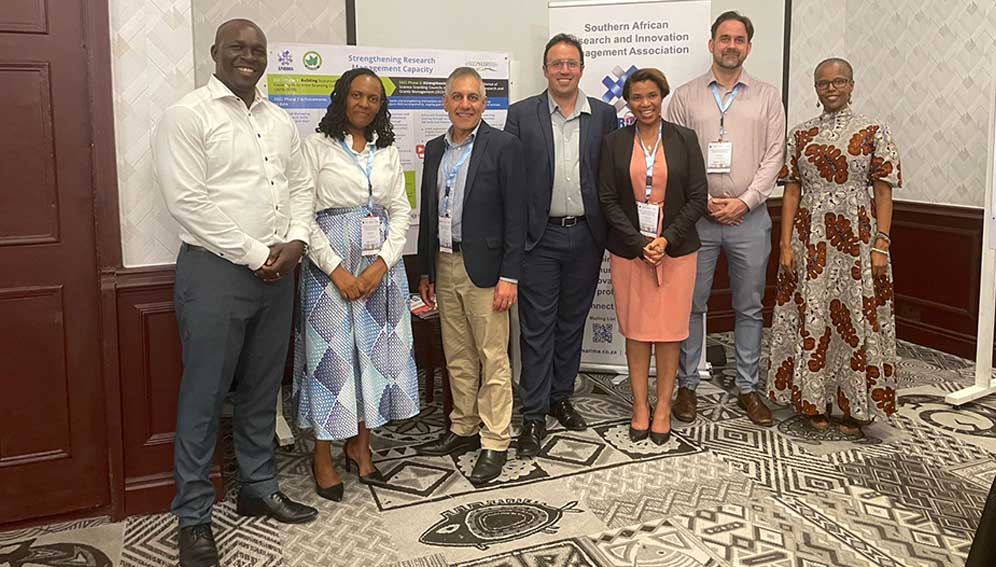
How research management is changing Africa’s science funders
A new grant appeals procedure in Zimbabwe, improved digital grant management in Namibia, and stronger gender inclusion leadership in Zambia are among the institutional changes emerging from efforts to strengthen research management across Sub-Saharan Africa. Theme one of the Science Granting Councils Initiative Phase II…
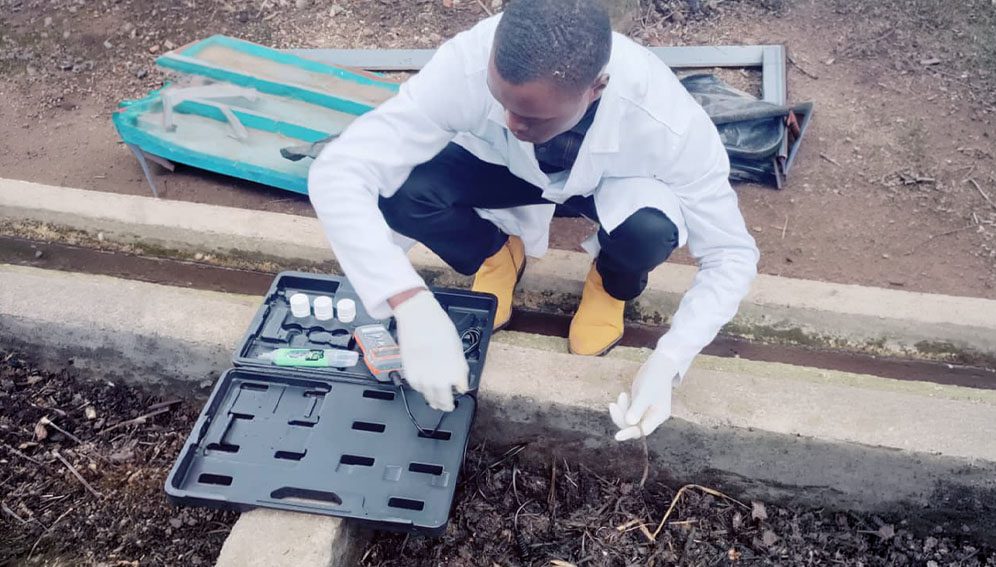
Can Rwanda’s farm waste help restore its depleted soils?
Locally developed vermicompost and biochar show promise for improving crop yields and soil health, but researchers say further testing is needed before wider adoption. The vermicompost process uses tiger worms to break down prepared organic materials into a dark, crumb-like product, while the biochar is…
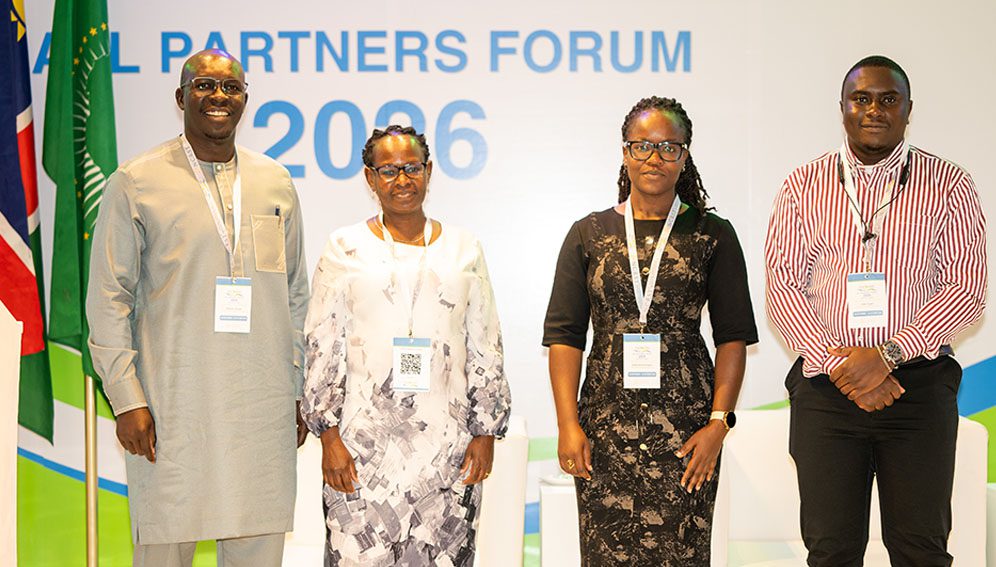
Voices from the SGCI Forum: Building an African-led science system
From calls for African-led research funding to stronger engagement with communities and governments, participants at the 2026 Science Granting Councils Initiative (SGCI) All Partners Forum left Windhoek with a shared sense that Africa’s science and innovation systems are entering a new phase. Held from 28…


SGCI funded projects
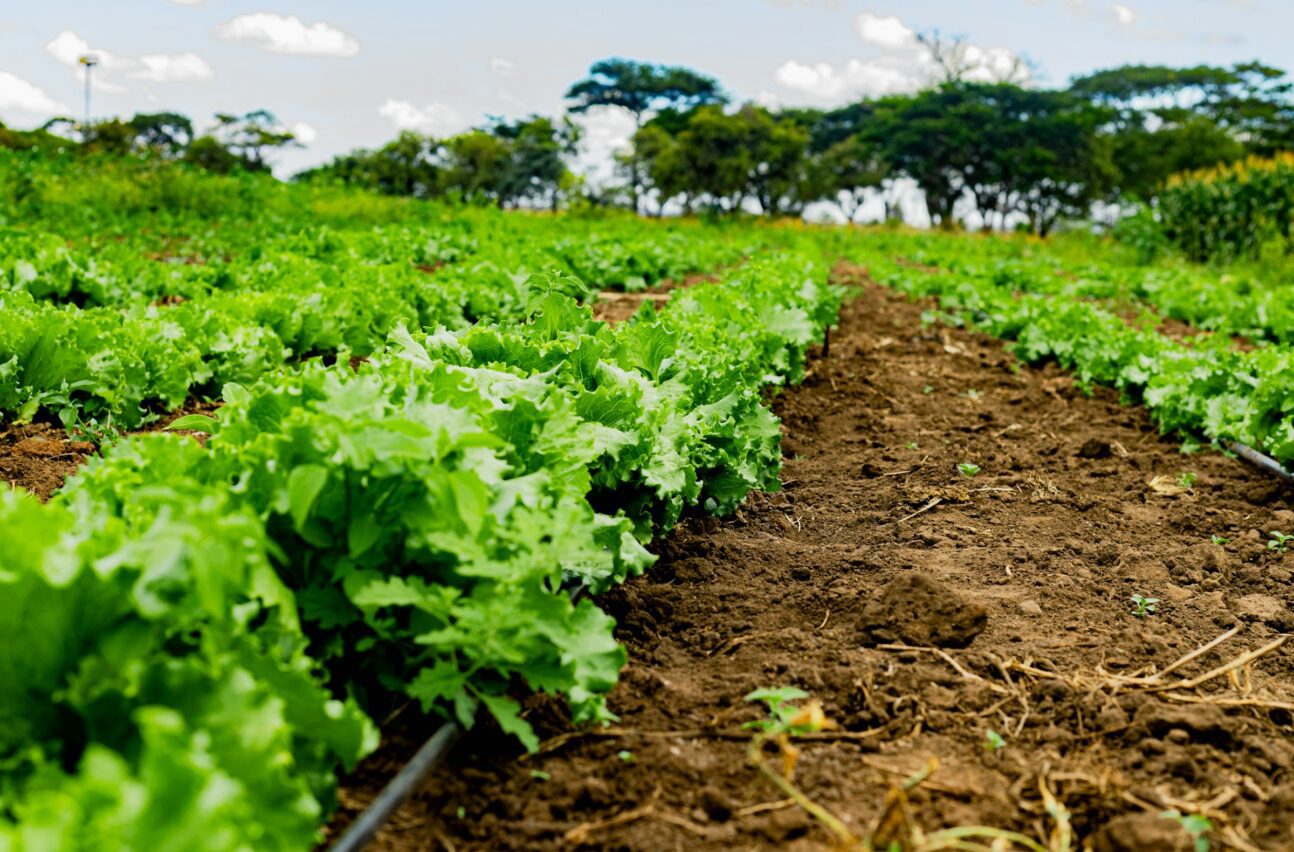
Rwanda’s integrated approach to sustainable agriculture and nutrition
Project Titles & Institution Areas of Research Number of Projects being funded Project Duration Grant Amount In-Kind Distribution Council Collaboration with other councils