
SGCI News
In Groot Aub, a semi-rural settlement on the outskirts of Windhoek, Namibia, cooking a simple meal once came at a cost of time, money, and health. Firewood smoke-filled kitchens, and…
In Groot Aub, a semi-rural settlement on the outskirts of Windhoek, Namibia, cooking a simple meal once came at a cost of time, money, and health. Firewood smoke-filled kitchens, and households spent significant portions of their income on fuel. For many, firewood alone costs up to N$2,400 a month.
For Natangue Shafudah, a senior lecturer in Physics at the University of Namibia and projects coordinator at the Namibia Green Hydrogen Research Institute, the problem was hiding in plain sight.
“Informal settlements generate large volumes of organic waste while relying on expensive or unsafe energy sources. That combination creates both environmental and health risks,” Shafudah says.
A solution rooted in everyday life
Rather than approaching the problem from a purely technical perspective, Shafudah and his team focused on how people live.
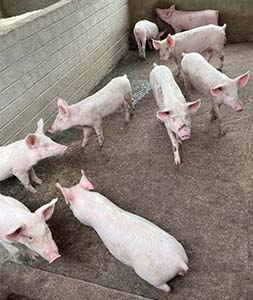
In January 2025, with support from the SGCI through the National Commission on Research, Science and Technology (NCRST), the team installed a 20 m³ biodigester and a 50 m³ storage bag at a farm in Groot Aub, fed by manure from 120 pigs and 400 chickens. Through a natural biological process known as anaerobic digestion, microorganisms break down organic waste in the absence of oxygen.
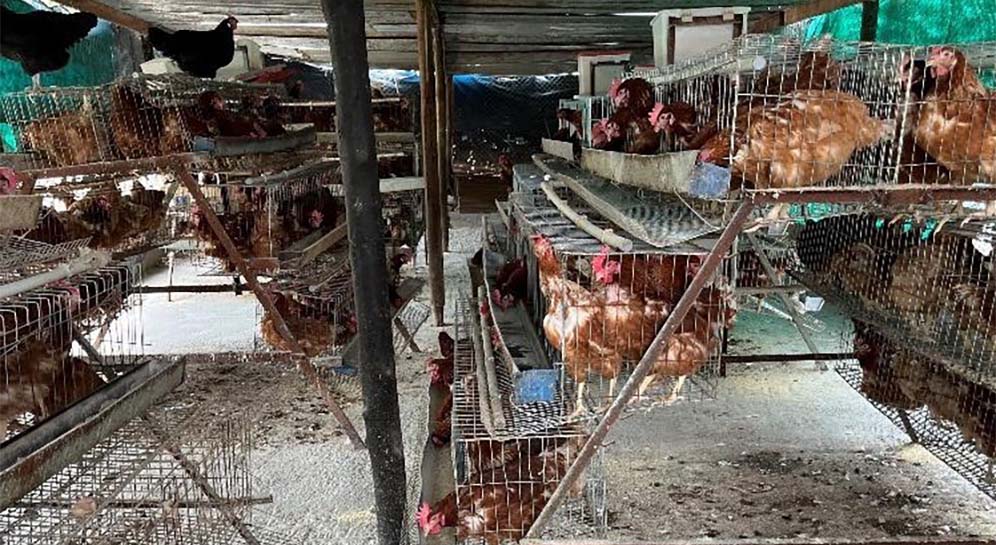
The system converts roughly 384 kilograms of manure daily into clean-burning biogas.
According to Shafudah, the system reached full inflation in just 28 days, 12 days ahead of schedule, helped by Namibia’s spring temperatures, which accelerated microbial activity.
“By September 2025, when the team formally recorded the results, the digester was producing over 3,400 litres of gas on a single measured day,” he says.
“The biodigester integrates waste management, energy production, and agriculture. Nothing is wasted.”
A quiet transformation in the home
For some households in Groot Aub, the shift has been immediate.
Families have moved from relying on firewood to using biogas for daily cooking, reducing time spent gathering fuel, lowering exposure to smoke, and cutting household costs.
Across the pilot, three households now use biogas regularly, with enough supply to support several days of cooking. For families that once depended heavily on firewood or LPG, the savings are tangible.
The benefits extend beyond the kitchen. The digestate produced from the system is used in gardens, improving soil fertility and supporting small-scale agriculture.
Building more than a system
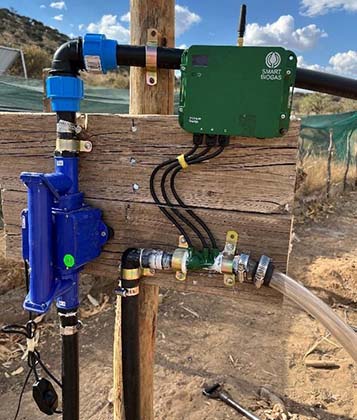
From the outset, the community was involved in shaping the project. A waste audit, community meetings, and site visits ensured that local realities guided implementation.
Eight community members were employed during installation, gaining hands-on skills in construction, plumbing, and system maintenance.
Two individuals from beneficiary households received extended training in system management and troubleshooting, while three local youths were identified early for technical training.
“This is an early investment in the next generation of people who will operate this kind of infrastructure,” Shafudah says.
“The success of small-scale biogas systems depends on user acceptance and participation. In Groot Aub, that participation has become one of the project’s strongest foundations.”
How the biodigester works
The biodigester is a controlled version of a natural process: decomposition.
Organic materials such as manure, food waste, and agricultural residues are mixed with water at a ratio of roughly one part waste to three parts water and fed into a sealed system.
Inside, microorganisms break the material down in stages, ultimately producing methane. This methane becomes biogas, which is piped into homes for cooking.
What remains is a nutrient-rich slurry used as organic fertiliser.
The system processes about 384 kg of manure daily, producing the equivalent of 247 kg of LPG each month at a fraction of the cost.
“The system cost N$16,552 to install,” Shafudah explains. “It saves about N$5,937 annually in avoided LPG costs, meaning it pays for itself in under three years.”
Over a 20-year lifespan, projected savings exceed N$98,000, excluding additional income from fertiliser or potential carbon credits.
Challenges along the way
The project has not been without challenges.
Technical issues, such as minor gas leakages and inconsistent waste inputs, required adjustments. Limited local expertise necessitated additional training, and there were concerns about equipment tampering.
Even in the early stages, patience was required. When the biodigester first inflated, the gas did not ignite, a normal phase as methane levels gradually built.
Over time, the system stabilised, producing consistent biogas flows.
The bigger picture
The project demonstrates how community-scale systems can address both energy poverty and waste management.
By converting organic waste into energy, the system reduces environmental pollution, lowers greenhouse gas emissions, and improves sanitation, while cutting household energy costs.
More importantly, the model is replicable.
With the right policy support, investment, and partnerships, similar systems could be scaled across communities facing the same challenges.
A different way forward
In many ways, the Groot Aub project reframes how energy solutions are designed.
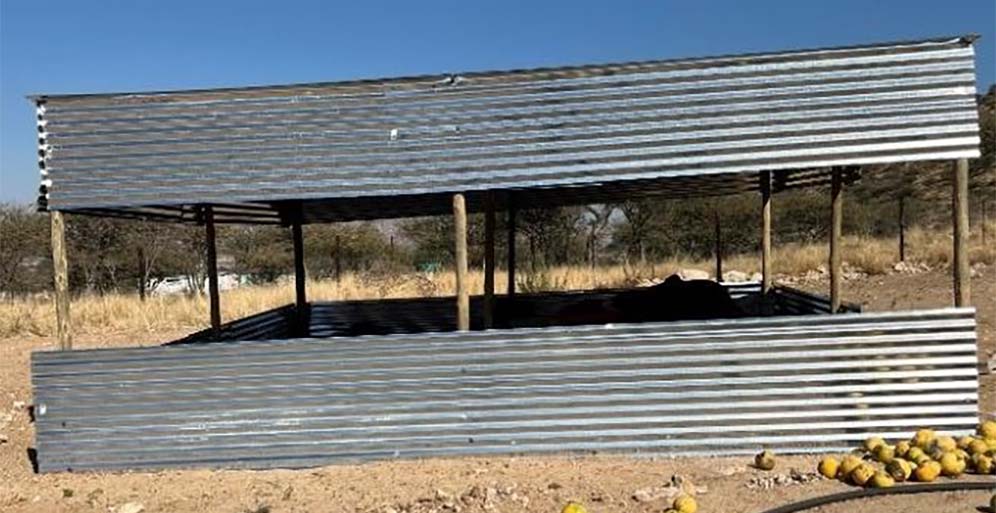
Instead of centralised systems, it highlights the power of decentralised, community-driven approaches. Instead of treating waste as a problem, it shows its value as a resource.
Although the project is completed in terms of funding, research is still ongoing, and two undergraduate students are currently conducting research on the biogas system, Shafudah said.
For families now cooking with biogas, the impact is cleaner air, lower costs, and more time. For the community, it is a step toward energy independence.
Please check out the stories and let us know what you think. We would love to hear from you!
Let’s continue the conversation on our social media
Published on 7 April 2026
Written by Jackie Opara-Fatoye
Related News
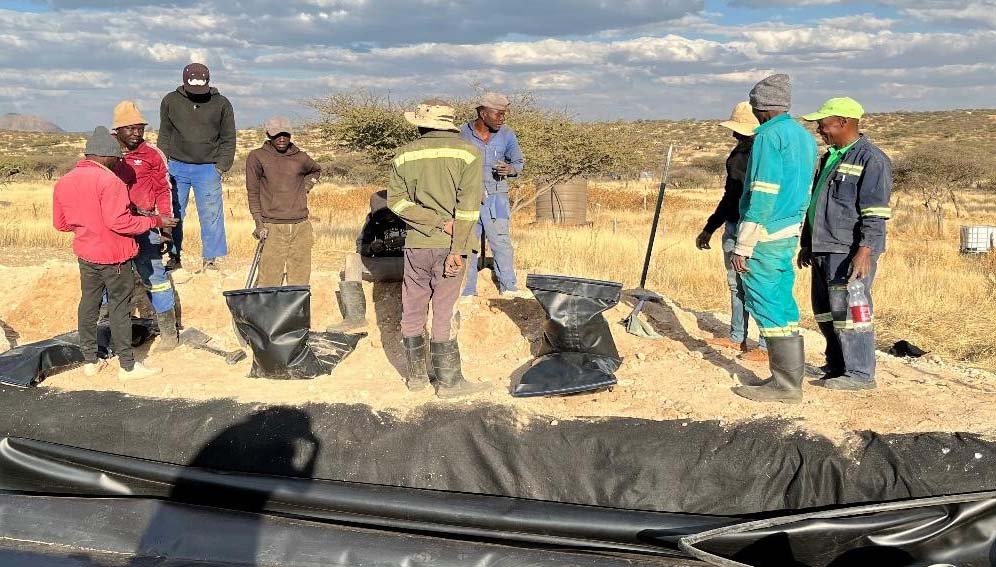
Community biogas project reduces waste in Namibia
In Groot Aub, a semi-rural settlement on the outskirts of Windhoek, Namibia, cooking a simple meal once came at a cost of time, money, and health. Firewood smoke-filled kitchens, and households spent significant portions of their income on fuel. For many, firewood alone costs up…
Transforming research funding for gender equity in Africa
Decisions about what gets funded, who receives grants, and which questions are considered worth asking shape the very nature of knowledge. And for too long, those decisions have reflected and reinforced deep inequalities, particularly for women, who make up only 30 per cent of researchers…
Microbes offer path to climate-smart farming
In Namibia’s dry and unpredictable climate, where farmers contend with poor soils and short rainfall seasons, researchers are working to reshape how crops are grown across the country. At the University of Namibia, Moola Nyambe is leading this research with support from the Science Granting Councils Initiative (SGCI) through Namibia’s…
Research and Resources

SGCI funded projects
Rwanda’s integrated approach to sustainable agriculture and nutrition
Project Titles & Institution Areas of Research Number of Projects being funded Project Duration Grant Amount In-Kind Distribution Council Collaboration with other councils