
SGCI News
Although Botswana does not yet have a dedicated science agency, it has demonstrated a strong commitment to research and innovation through active participation in the Science Granting Councils Initiative (SGCI)….
Although Botswana does not yet have a dedicated science agency, it has demonstrated a strong commitment to research and innovation through active participation in the Science Granting Councils Initiative (SGCI).
In this video interview, Lesego Thamae, Deputy Permanent Secretary at the Ministry of Communications, Knowledge and Technology, reflects on the country’s eight-year involvement with SGCI and how it has influenced Botswana’s research landscape.
The Ministry currently oversees the country’s research agenda, with plans underway to launch the Botswana National Research Fund (BNRF) by April 2025.
The fund will help institutionalize research funding, strengthen research management, and boost science’s contribution to national development.
Historically, research funding in Botswana has been disbursed through line ministries.
“That hasn’t stopped—it’s still ongoing,” says Thamae, “but the budget allocated to research has been increasing gradually.”
Today, the Ministry plays a coordinating role, ensuring that national research efforts are cohesive and adequately resourced. Botswana has also deepened regional collaborations, notably through joint SGCI funding calls with the Zimbabwe Commission for Research. This cooperation, along with SGCI’s broader network of 12 partner countries, has expanded Botswana’s experience and visibility.
Additionally, Botswana has increased project funding and encouraged private sector participation. A notable milestone was the 2023 Research in Excellence Awards, which celebrated research impact and innovation.
“We aim to make a tangible impact in Botswana while contributing to innovation across the continent,” Thamae concludes.
Watch the full interview with Lesego Thamae to learn how Botswana is shaping its future through research and regional collaboration.
Related News
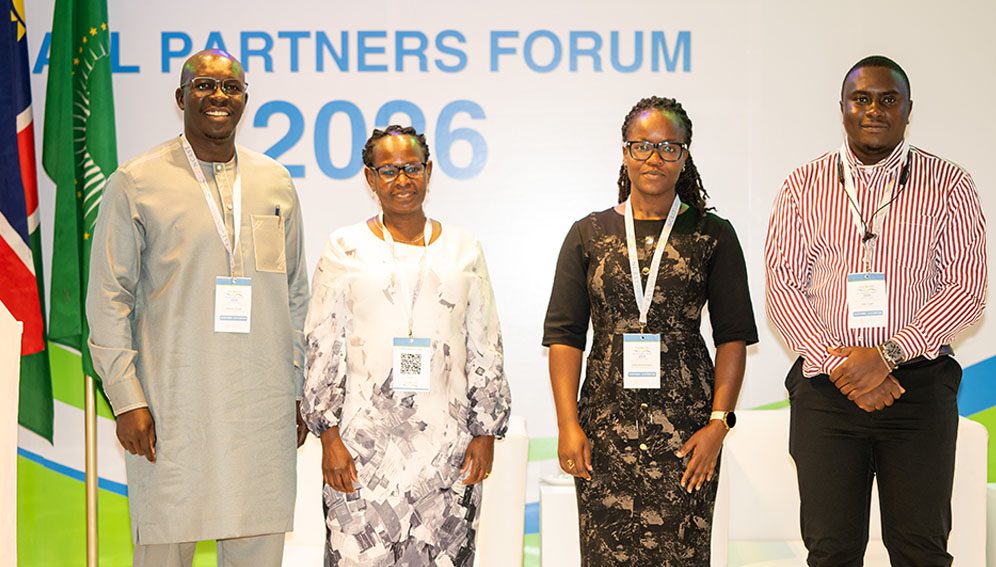
Voices from the SGCI Forum: Building an African-led science system
From calls for African-led research funding to stronger engagement with communities and governments, participants at the 2026 Science Granting Councils Initiative (SGCI) All Partners Forum left Windhoek with a shared sense that Africa’s science and innovation systems are entering a new phase. Held from 28…
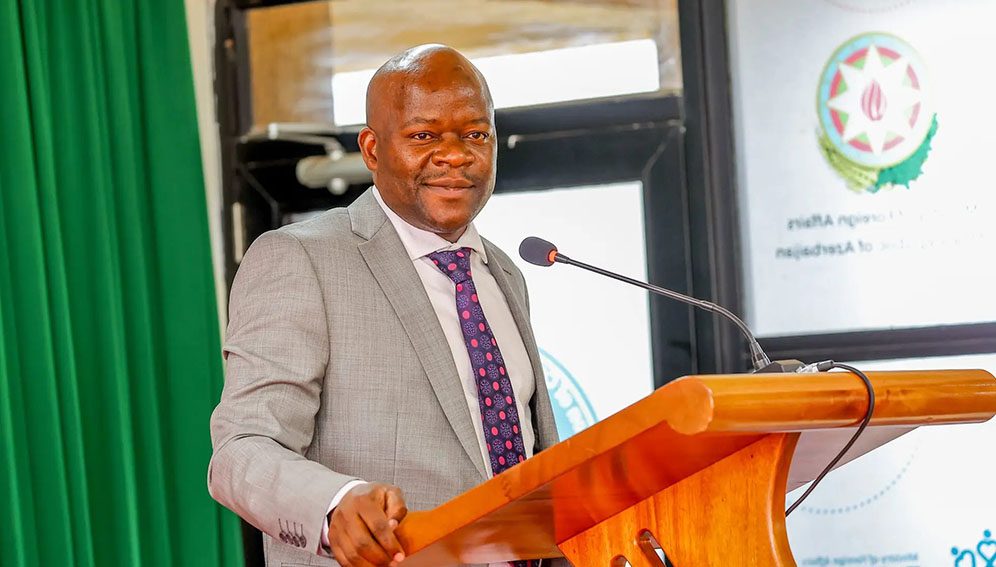
NRF champions science, climate action and youth empowerment
Kenya’s National Research Fund (NRF) is strengthening efforts to connect scientific research, innovation and youth participation with practical responses to climate and environmental challenges. NRF chief executive officer Dickson Andala represented the fund at the launch of the Climate Policy and Advocacy Training – Cohort…
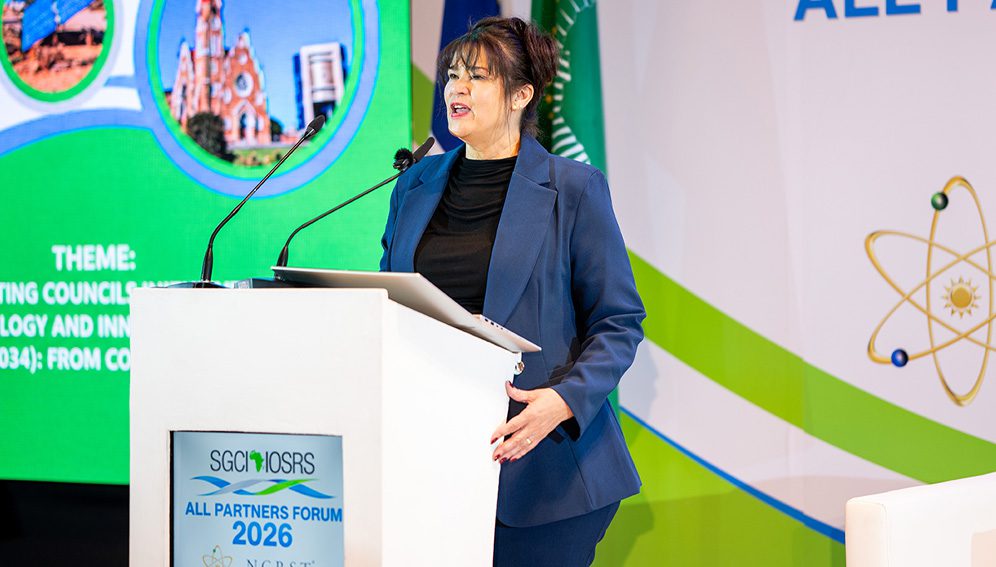
Windhoek Declaration: African science funders pledge to act as one
Science granting councils say Africa’s research systems need African ownership, steadier funding and less fragmentation. Here is what they agreed in Windhoek. African science granting councils adopted a collective declaration in Windhoek, Namibia, on 1 October 2026, as part of the Science Granting Councils Initiative…


SGCI funded projects

Rwanda’s integrated approach to sustainable agriculture and nutrition
Project Titles & Institution Areas of Research Number of Projects being funded Project Duration Grant Amount In-Kind Distribution Council Collaboration with other councils