
SGCI News
For many researchers, publishing scientific findings in academic journals has long been the primary way to share knowledge. But increasingly, there is recognition that research must also be communicated in…
For many researchers, publishing scientific findings in academic journals has long been the primary way to share knowledge. But increasingly, there is recognition that research must also be communicated in ways that reach broader audiences, policymakers, industry partners, communities, and fellow innovators who can translate discoveries into real-world solutions.
Across projects funded by the Science Granting Councils Initiative (SGCI), researchers are discovering that sharing their work through accessible storytelling is opening unexpected doors. From new collaborations and student engagement to global recognition and commercial opportunities.
We asked four SGCI-supported researchers from Botswana, Ghana, Malawi, and Uganda to reflect on what happened after their stories were published. Their experiences reveal that telling the stories helped their innovations travel further, faster.
Turning visibility into opportunity
For Fransisca Aba Ansah, a team lead whose project explores value addition from cashew apples, publicity has already begun generating tangible outcomes.
Cashew apples, the fleshy fruit attached to the cashew nut, are often discarded as waste in Ghana, representing a significant loss of opportunity in a country where cashew farming is a major economic activity.
Since the story about her team’s work was published, Ansah says the project has attracted interest from young innovators eager to build on the research.
“We have had a student from the University of Ghana and a group of young graduates contact us for assistance in product development from cashew apples, thanks to the publicity,” she said.
For Ansah and her team, the exposure has transformed their research into a resource for aspiring entrepreneurs and students seeking practical solutions rooted in science.
From completed project to lasting impact
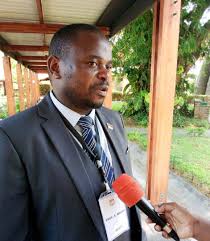
For Elijah Wanda, another SGCI-supported researcher, the power of storytelling lies in extending the life of research beyond the grant period.
He believes communicating innovations through accessible narratives allows research to evolve from a completed project into something much more dynamic.
“Publishing a story like our innovation demonstrates how SGCI-supported research can evolve from a completed project into a living, high-impact asset that continues to generate value well beyond the grant period,” he explained.
Wanda notes that the story about his project quickly became one of the most viewed articles on the website, a sign of the strong interest that exists when research is communicated clearly and with real-world relevance.
According to him, such visibility does more than attract readers. It builds trust among donors, partners, and investors by demonstrating the practical value of publicly funded research.
Clear storytelling, he says, also helps translate complex scientific evidence into narratives that policymakers and development actors can understand and apply.
In doing so, it accelerates the adoption of innovations by industry, practitioners, and communities who can see how the research addresses real needs.
The visibility, he adds, has also elevated the profile of both himself and his institution, Mzuzu University, strengthening their reputation as leaders in solution-oriented science.
Global recognition through wider reach
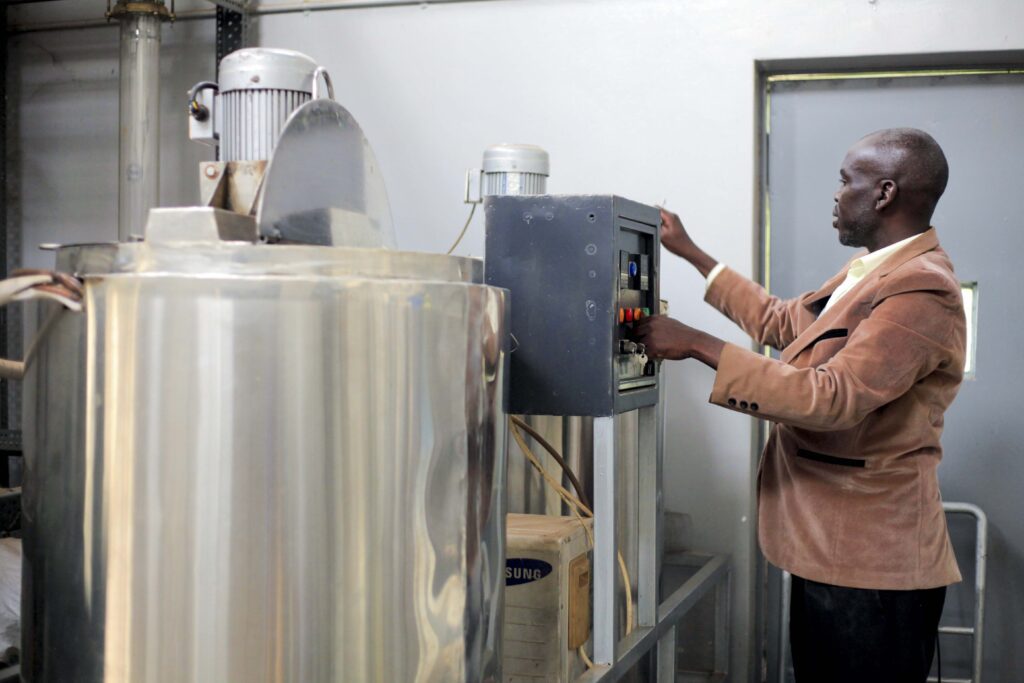
Francis Omujal’s experience illustrates how visibility can open doors that researchers might never have anticipated.
Following the publication of his project’s story, the innovation received significant recognition globally. It was later selected for presentation at the WHO Global Summit on Traditional Medicine in India in December 2025.
Out of 1,175 innovations submitted worldwide, Omujal’s project was among just 21 selected for the prestigious event.
“The visibility for this project was amazing. The work was well appreciated,” he said.
Such recognition demonstrates how communicating research beyond academic circles can help local innovations gain international attention.
Unlocking collaboration and industry partnerships

For Gwiranai Danha, storytelling helped his team’s work reach not only academic audiences but also industry players.
His research focuses on harnessing one of Botswana’s most abundant natural resources – sand – to develop a reagent used in the mineral beneficiation sector.
After the SGCI story was published, the project began attracting interest from both industry and regional researchers.
“Our research benefited locally from the exposure, including a request to collaborate and commercialise the product from a major mining company,” Danha said.
Beyond industry interest, the publication also sparked regional collaboration opportunities.
Researchers from across the region expressed interest in partnering on the project, including through joint supervision of postgraduate students and skills transfer initiatives.
“All in all, we benefited a lot from the publication,” Danha added.
Why telling research stories matters
These experiences highlight a growing lesson for researchers: Science achieves greater impact when it is communicated beyond the laboratory.
By translating complex findings into accessible stories, research becomes visible to the stakeholders who can put it into practice, industry partners, entrepreneurs, policymakers, and communities.
For SGCI, sharing these stories is also part of demonstrating how investments in African research are delivering tangible results.
But the stories themselves depend on researchers being willing to step forward and share the journey behind their work.
When they do, the results can be transformative, turning research projects into collaborations, innovations into commercial opportunities, and local discoveries into global recognition.
Ultimately, communicating science effectively does more than tell a story. It multiplies the impact of research and ensures that knowledge reaches the people who need it most.
Please check out the stories and let us know what you think. We would love to hear from you!
Let’s continue the conversation on our social media
Published on 14 March 2026
Written by Jackie Opara-Fatoye,
Related News

NRF champions science, climate action and youth empowerment
Kenya’s National Research Fund (NRF) is strengthening efforts to connect scientific research, innovation and youth participation with practical responses to climate and environmental challenges. NRF chief executive officer Dickson Andala represented the fund at the launch of the Climate Policy and Advocacy Training – Cohort…
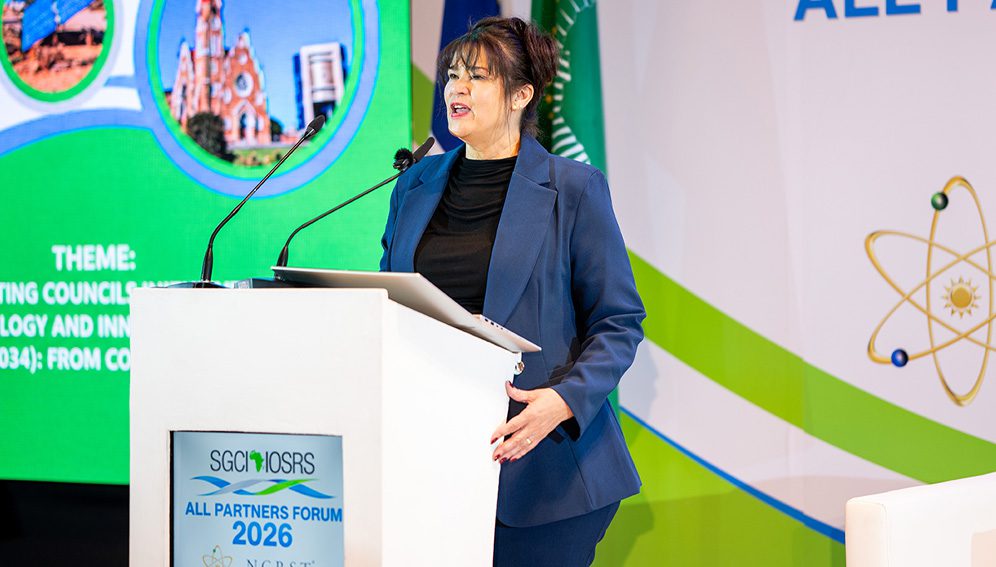
Windhoek Declaration: African science funders pledge to act as one
Science granting councils say Africa’s research systems need African ownership, steadier funding and less fragmentation. Here is what they agreed in Windhoek. African science granting councils adopted a collective declaration in Windhoek, Namibia, on 1 October 2026, as part of the Science Granting Councils Initiative…
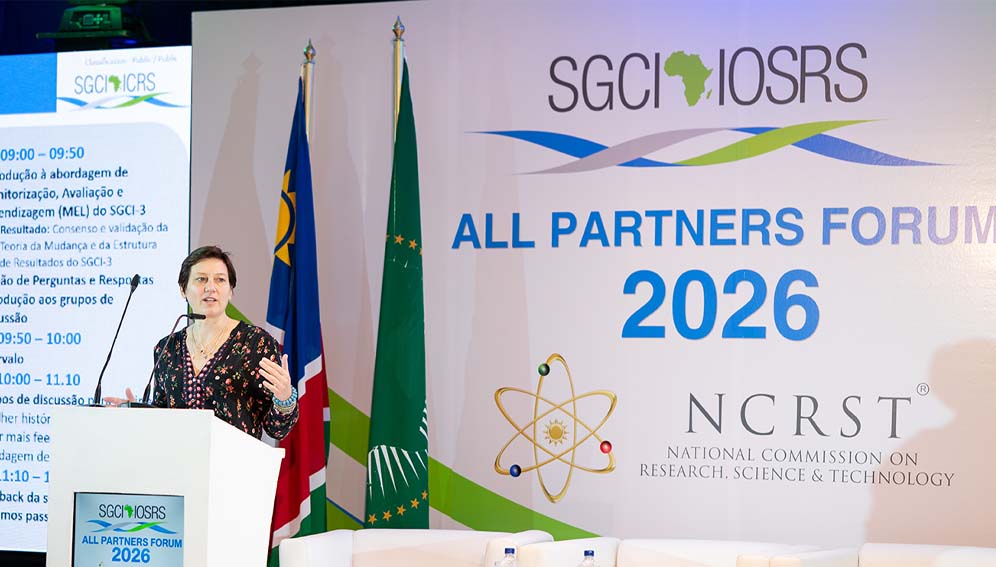
Africa’s science councils urged to turn pledges into real impact
[NAMIBIA] African countries must strengthen collaboration, invest in research and scientists, and take greater ownership of science, technology and innovation if research is to deliver lasting development impact, participants at the 2026 Science Granting Councils Initiative (SGCI) All Partners Forum have said. The call came…
Research and Resources

SGCI funded projects

Rwanda’s integrated approach to sustainable agriculture and nutrition
Project Titles & Institution Areas of Research Number of Projects being funded Project Duration Grant Amount In-Kind Distribution Council Collaboration with other councils