
SGCI News
At the African Union’s Science, Technology and Innovation Week in Addis Ababa, earlier this month, leaders of science granting councils reflected on what SGCI Phase 3 represents for Africa’s science…
At the African Union’s Science, Technology and Innovation Week in Addis Ababa, earlier this month, leaders of science granting councils reflected on what SGCI Phase 3 represents for Africa’s science and innovation systems.
From ownership and alignment to stewardship and sustainability, here are their voices on what fundamentally changes with SGCI 3 and why this phase matters now.
Cephas Adjei Mensah, SGCI alliance chair
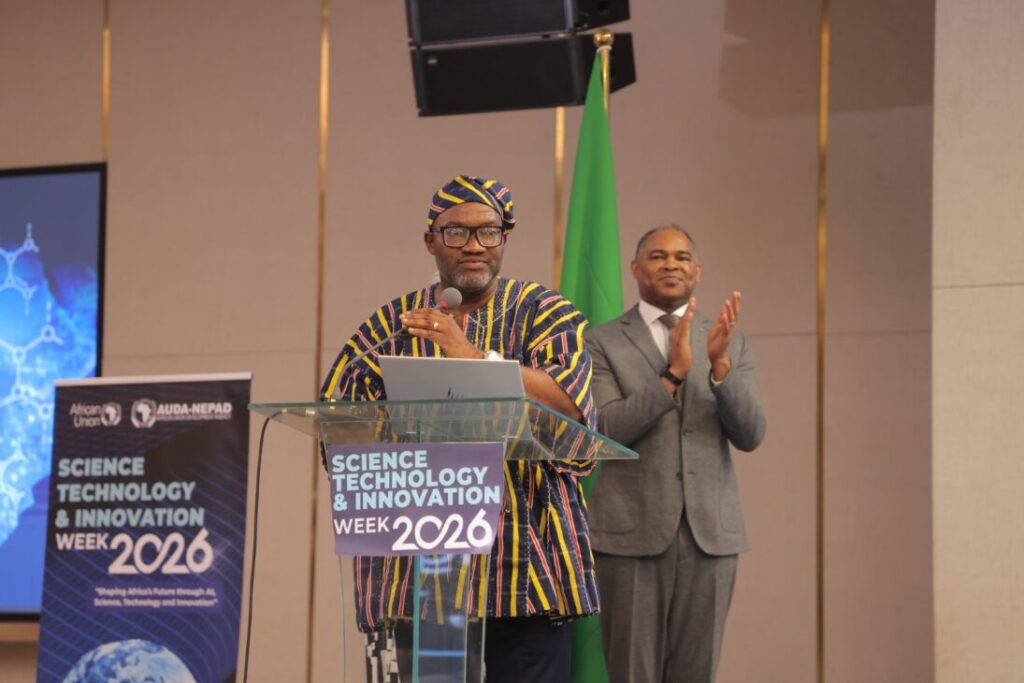
“SGCI Phase 3 introduces what we now call the SGCI Alliance, a new governance structure that will guide how the initiative is organised and governed over the next five years.”
For Mensah, the defining feature of this phase is structure. How leadership, coordination, and delivery come together within a single system.
“At the core of the Alliance are two leadership groups, supported by a coordination mechanism that works closely with co-funders and the programme management team.”
This includes a council forum that drives strategic direction, alongside a coordination team responsible for operational delivery.
“This structure ensures that strategic leadership and day-to-day implementation work in tandem.”
A key innovation is the introduction of coordinated platforms designed to drive results.
“We have thematic working groups aligned with the priorities of STISA 2034—including agriculture, energy, health, ICT, and the environment.”
These are complemented by mechanisms such as the Funders Collaborative, Capacity Strengthening initiatives, and the Policy Hub.
“The Policy Hub is particularly important. It ensures SGCI goes beyond funding research to actively shaping policy, while aligning with the African Union’s Agenda 2063.”
Unlike previous phases, where policy engagement was more peripheral, SGCI 3 places it at the centre.
“This phase is about making SGCI more visible—not only in funding and training research, but also in influencing policy and advancing sustainable financing.”
Ultimately, the goal is long-term transformation.
“We are building an initiative that is driven by the councils themselves, owned by the councils, and capable of sustaining itself. By the end of this phase, councils should be able to lead and shape the agenda independently.”
Dirce Madeira, national research fund, Mozambique

SGCI 3 is built on the gains from Phases 1 and 2, but now the focus is on realising tangible outcomes. We have a strong foundation to build from, and this phase allows us to translate that into impact.”
For Madeira, SGCI 3 represents a natural progression but with a sharper emphasis on results.
“Through co-funding and representation on governance committees, councils will have a stronger voice. This ensures that SGCI is responsive to African priorities and long-term development agendas.”
Her perspective highlights a broader transition that councils are participating in and are shaping direction. That shift toward ownership, she suggests, is what will ultimately sustain the initiative.
Abigail Opoku Mensah, Ghana national research fund

“The fundamental shift is from coordination as capacity-building to coordination as delivery and influence.”
For Opoku Mensah, SGCI 3 marks a decisive turning point, one made possible by years of institutional strengthening across the continent.
“Councils are now more credible, better governed, and digitally enabled. That progress is what makes this phase both possible and necessary.”
She situates this shift within a broader continental context.
Africa is at an inflection point. We are facing climate change, food insecurity, health shocks, energy transition, and rapid technological disruption. These challenges cannot be addressed through fragmented responses.
Central to this new phase is alignment with the STISA 2034 framework, connecting research funding, innovation, and policy action across national and regional levels.
But beyond direction, she reframes the role of councils themselves.
“Councils are no longer just grant managers, we are system stewards and policy actors,” she said.
From shaping national priorities to influencing budgets and engaging global platforms, councils are stepping into a more assertive leadership role. At the heart of this, she emphasises, are shared values, excellence with relevance, equity and inclusion, trust, and accountability.
Martins Ongol, Uganda national research council
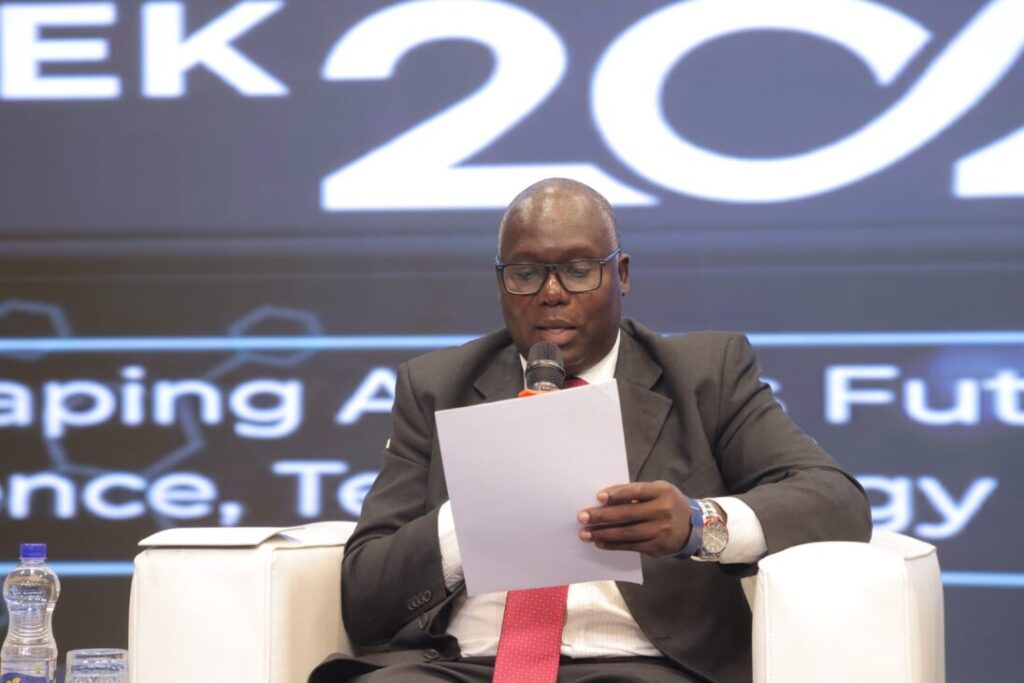
“Phase 1 focused on building capacity in research management. Phase 2 emphasised commercialisation and grants management. Now SGCI 3 introduces strong alignment with the African Union agenda.”
Ongol frames SGCI 3 as part of a clear institutional evolution that now places councils at the centre of implementation and coordination.
“We are operating within a more structured SGCI ecosystem, including the SGCI Alliance, governance frameworks, and thematic focus areas such as energy, agriculture, health, and climate change.”
This structure is strategic, he said.
“Councils are taking leadership in implementation and management, and also acting as technical lead agencies, supporting STI indicators, monitoring and evaluation systems, and shaping policy frameworks.”
In this role, councils move beyond execution to actively guiding Africa’s science and innovation agenda.
A continent ready to deliver
SGCI 3 is a transition from preparation to performance, from external support to African ownership, and from fragmented efforts to coordinated, system-wide impact.
The foundations have been laid. The structures are in place.
What comes next is delivery at scale, at speed, and on Africa’s own terms.
Please check out the stories and let us know what you think. We would love to hear from you!
Let’s continue the conversation on our social media
Published on 25 February 2026
Written by Jackie Opara-Fatoye, with contributions from Elizabeth Muriithi
SGCi themes
Countries
Council Objectives
Categories
Related News
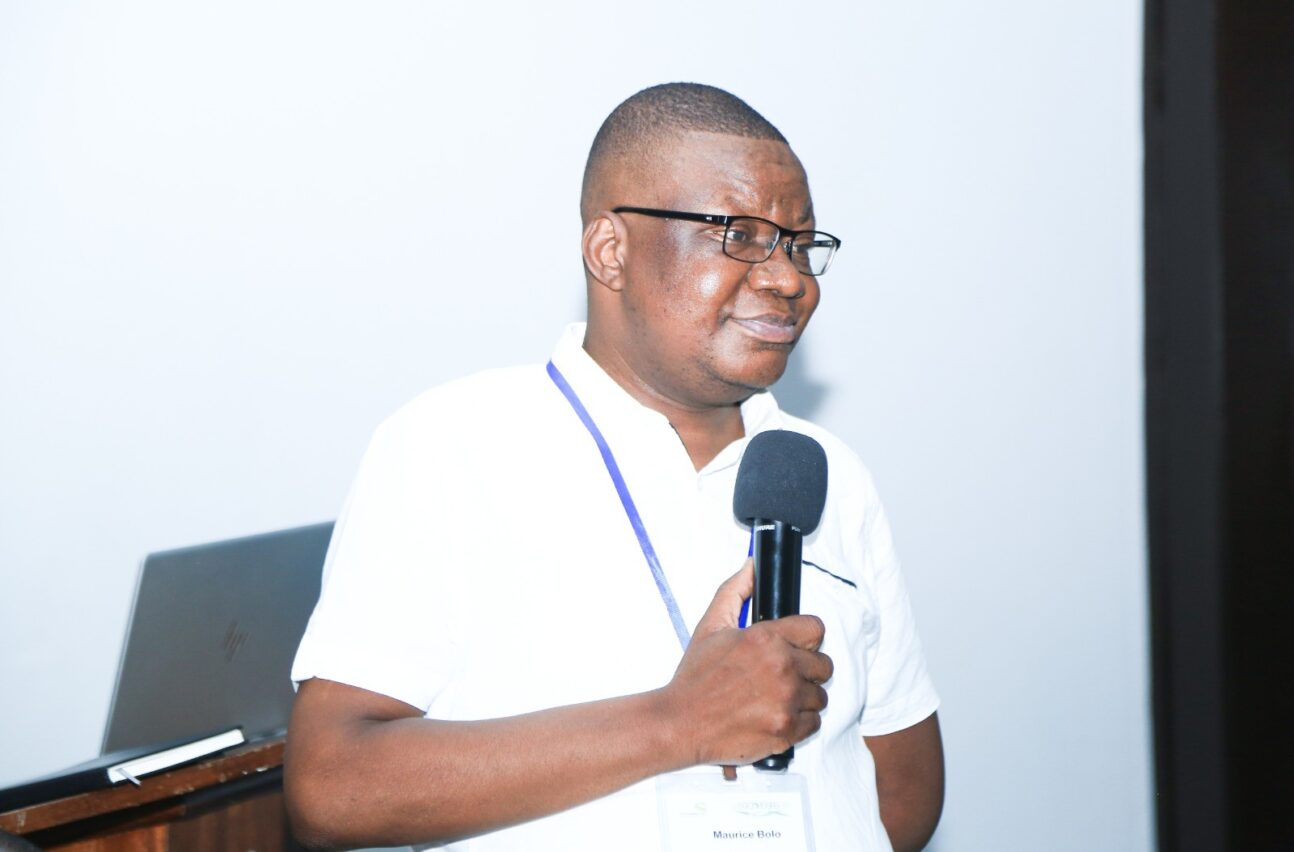
Kenya’s patent data tells a story we cannot ignore
A landmark analysis of three decades of Kenyan patent data reveals a widening innovation gap that demands urgent policy action, argues Maurice Bolo, director of the Scinnovent Centre, Kenya, with implications that SGCI researchers and policymakers across the continent cannot afford to ignore. As the…
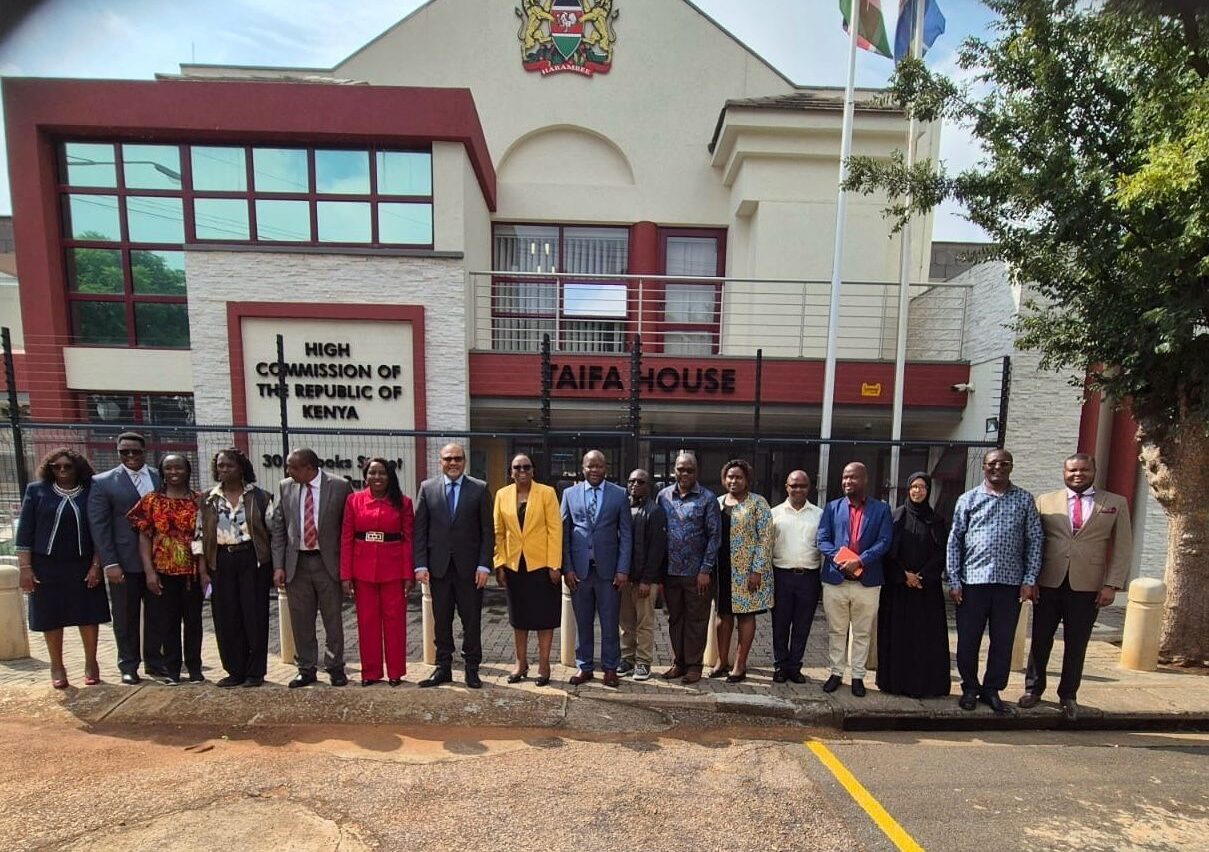
Kenya’s NRF explores research chairs programme
Kenya’s National Research Fund (NRF) is taking early steps toward establishing a national Research Chairs programme in priority sectors, signalling a shift toward more structured, long-term investment in research capacity. A continental partnership for education reform NRF Kenya partnered in the launch of Harnessing Education…

Namibia launches national research infrastructure survey report
The Namibia National Commission on Research, Science and Technology has officially launched the country’s Research Infrastructure Survey Report, outlining existing research facilities, key gaps, and priority areas for development. The report was presented on 3 March at the Franco-Namibian Cultural Centre in Windhoek before an…
Research and Resources

SGCI funded projects
Rwanda’s integrated approach to sustainable agriculture and nutrition
Project Titles & Institution Areas of Research Number of Projects being funded Project Duration Grant Amount In-Kind Distribution Council Collaboration with other councils