SGCI News
Press Release Addis Ababa, Ethiopia | February 12, 2026 — Ahead of the Annual Summit of Heads of State at the African Union Headquarters in Addis Ababa this February, Canada’s…
Press Release
Addis Ababa, Ethiopia | February 12, 2026 — Ahead of the Annual Summit of Heads of State at the African Union Headquarters in Addis Ababa this February, Canada’s International Development Research Centre (IDRC), the Government of Norway, and the United Kingdom’s Foreign, Commonwealth and Development Office (FCDO), Wellcome (UK), German Research Foundation(DFG) and South Africa’s National Research Foundation (NRF) jointly announces a new joint commitment of CAD 57 million (approximately USD 42M) to support the implementation of the African Union’s Science, Technology and Innovation Strategy for Africa (STISA-2034). This will be delivered through the Science Granting Councils Initiative (SGCI), a partnership led by Science Granting Councils from 20 sub-Saharan African countries in close collaboration with AUDA – NEPAD.
This international contribution builds on a collective pledge made by SGCI member Councils in September 2025 to work with the African Union to strengthen the continent’s science, technology, and innovation (STI) systems to drive sustainable development. In the forthcoming months, African councils will plan their respective co-investments to mobilize national funds and ensure the initiative’s long-term financial viability.
Why these investments?
From climate vulnerabilities and emerging infectious diseases to food insecurity and technological disruptions, the need for robust science, technology, and innovation (STI) systems to address Africa’s development challenges has never been more critical. Robust and inclusive STI systems are vital for driving social and economic development and achieving the Sustainable Development Goals.
Science Granting Councils (SGCs) play a critical intermediary role in these systems by funding, managing, and translating research and innovation into policy and practice. However in sub-Saharan Africa—national councils face interconnected challenges and as a result, African research and innovation remain underutilized as drivers of sustainable development.
Since March 2015, two successive five-year phases of the Science Granting Councils Initiative in sub-Saharan Africa (SGCI-1 and SGCI-2) have addressed systemic constraints by both co-investing in local research projects and by strengthening councils as institutions.
These efforts have strengthened key organizational capabilities—improving the design and management of research calls, enhancing research and innovation governance. It has helped councils to advance evidence‑informed policymaking and boost strategic communications and knowledge uptake. It has also worked with councils to mainstream gender equality and inclusion, enabling public‑private partnerships and commercialization, and supporting the creation of new Councils.
The next steps of the Science Granting Council Initiative
Running from 2026 to 2030, this new contribution will establish a third phase of SGCI (SGCI-3), building on the strong foundation laid since 2015. SGCI-3 is structured around three core outcomes:
Outcome 1: Increased production of high-quality, Africa-led research and scaled innovations addressing development challenges.
SGCI will co-fund research and innovation administered by councils and aligned with national priorities. It will also support multi-country initiatives targeting STISA-2034 priority areas—agriculture, health, ICT, energy, and the environment, and expand partnerships and attract new investments to address transboundary challenges.
Outcome 2: Enhanced STI policy influence by African Science Granting Councils.
Councils will be strategically positioned to shape and implement national and regional STI policies through strengthened monitoring, evaluation, and learning (MEL) capacity; evidence-informed policy engagement; and active participation in multi-stakeholder dialogues and international STI fora.
Outcome 3: Strengthened research and innovation management operations of SGCs.
SGCI-3 will provide coordinated technical assistance, support peer-learning and tailored training to institutionalize capacity development across councils.
How will SGCI drive Africa’s priorities and STISA Implementation?
The new phase establishes the SGCI Alliance, a new platform designed to further strengthen African ownership across all SGCI activities. Through the Alliance, councils will lead decision-making, shape research agendas, and foster strategic partnerships.
SGCI and the African Union will work closely to position councils as a key mechanism for translating STISA-2034 into national and regional impact, supported by funding partners and African stakeholders. Multi-country calls for research proposals across the five STISA-2034 priority themes are expected later this year. AUDA-NEPAD – as coordinator of STISA 2034 implementation – will collaborate with national science councils to mobilize additional resources, including domestic STI funding and public–private partnerships.
More about the SGCI activities at the 39th African Union Summit
AUDA-NEPAD in collaboration with the African Union Commission (AUC) is launching the STISA 2034 implementation plan on the margins of the 39th African Union Summit solidifying the implementation plan as Africa’s roadmap for STI over the next decade. SGCI’s presence at the AU meetings aims to demonstrate to policy-makers the value of increased R&D funding and policy harmonization, and the importance of empowering national councils to become strategic drivers of inclusive innovation and sustainable growth.
The STISA 2034 implementation plan highlights the need to “strengthen linkages with the Science Granting Councils Initiative (SGCI) by leveraging its experience in funding research and innovation across Africa. This will enhance national-level research funding systems, foster evidence-informed STI policies, and build the capacity of granting councils to support the effective domestication and implementation of STISA 2034”
Activities held during the week – such as an interactive policy workshop, in partnership with the African Centre for Technology Studies and AUDA‑NEPAD – will support the development of these linkages which will be important to advance STISA 2034 implementation.
Quick facts:
- The Science Granting Councils Initiative (SGCI) Alliance brings together participating councils from 20 sub-Saharan African countries: Angola, Botswana, Burkina Faso, Côte d’Ivoire, Ethiopia, Ghana, Kenya, Malawi, Mozambique, Namibia, Nigeria, Rwanda, Senegal, Sierra Leone, South Africa, Tanzania, Togo, Uganda, Zambia, and Zimbabwe. Togo and Angola are the newest members, having joined the initiative in September 2025.
- NRF–South Africa played a central role in establishing SGCI, providing significant financial and technical contributions, and over the past decade has been the only African Science Granting Council in SGCI’s leadership alongside international donors. In this new phase, NRF–South Africa will play a key role within the councils-led SGCI Alliance, leveraging its expertise in bilateral and multilateral research collaboration, capacity strengthening, and aligned funding mechanisms.
- Ghana currently serves as Chair of the SGCI Alliance and leads the Councils Coordination Group, together with South Africa, Kenya, Tanzania, and Namibia.
For more information visit: sgciafrica.orgContact:
Elizabeth Muriithi, Program Officer, IDRC at emuriithi@idrc.ca
Related News
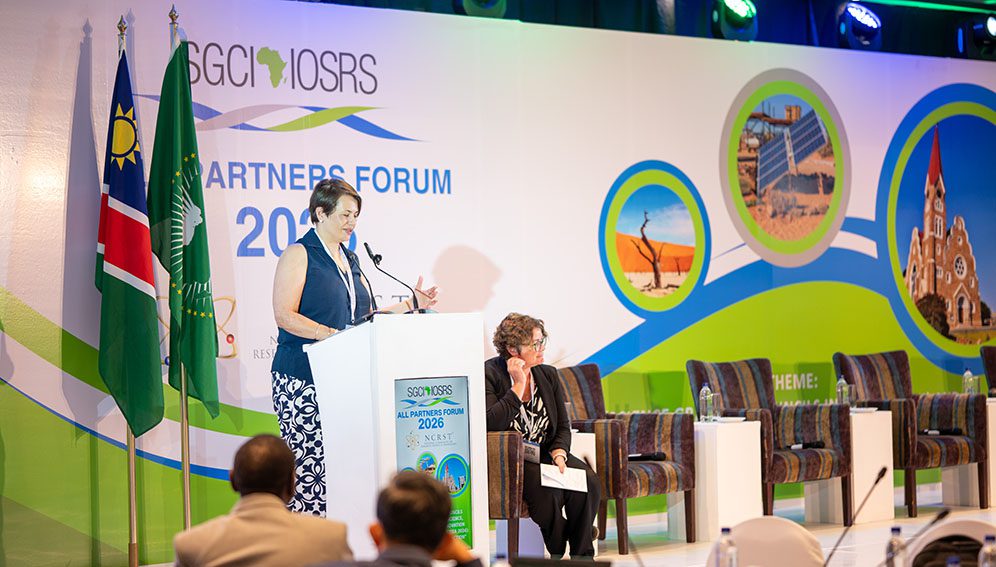
Councils urged to take ownership of SGCI-3 as forum turns to systems
[NAMIBIA]Science Granting Councils have been urged to take greater ownership of the third phase of the Science Granting Councils Initiative (SGCI-3), as partners turned their attention to the institutional systems and partnerships needed to translate the initiative’s ambitions into results. The call came during Day…
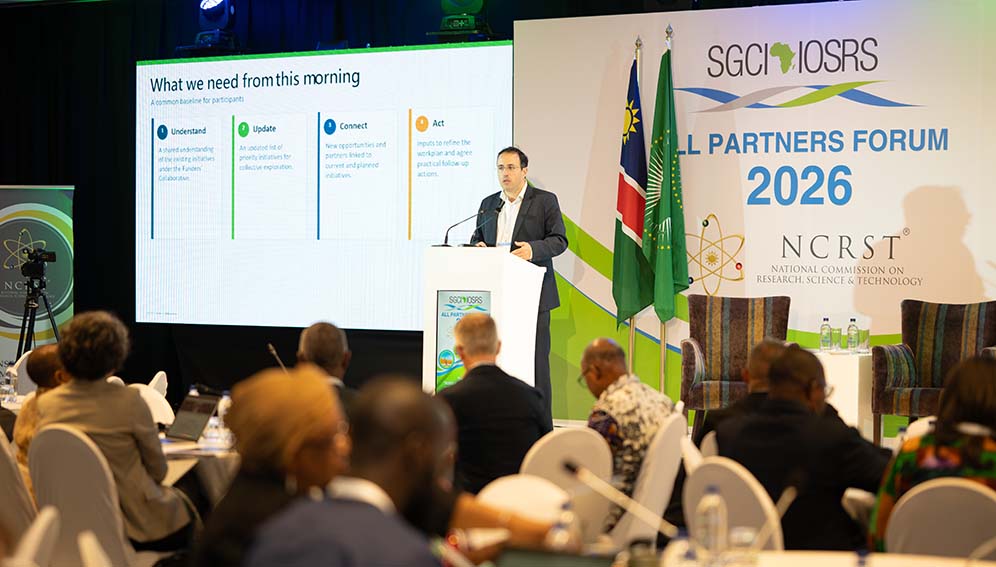
SGCI All Partners Forum highlights Africa’s research funding needs
[NAMIBIA] African science granting councils are examining their reliance on international research funding as a new dashboard reveals the flow of science, technology and innovation (STI) funding into Africa. More than 170 delegates from across the world are attending the 2026 Science Granting Councils Initiative…
](https://sgciafrica.org/wp-content/uploads/2026/09/Windhoek.jpg)
Namibia’s role in advancing Africa’s science, technology, and innovation agenda
From commitment to action – Namibia and the SGCI All Partners Forum 2026 Namibia is an important player in African research, and from 28 September to 2 October 2026, the country will host the Science Granting Councils Initiative’s (SGCI) All Partners Forum in Windhoek. With…
Research and Resources

SGCI funded projects
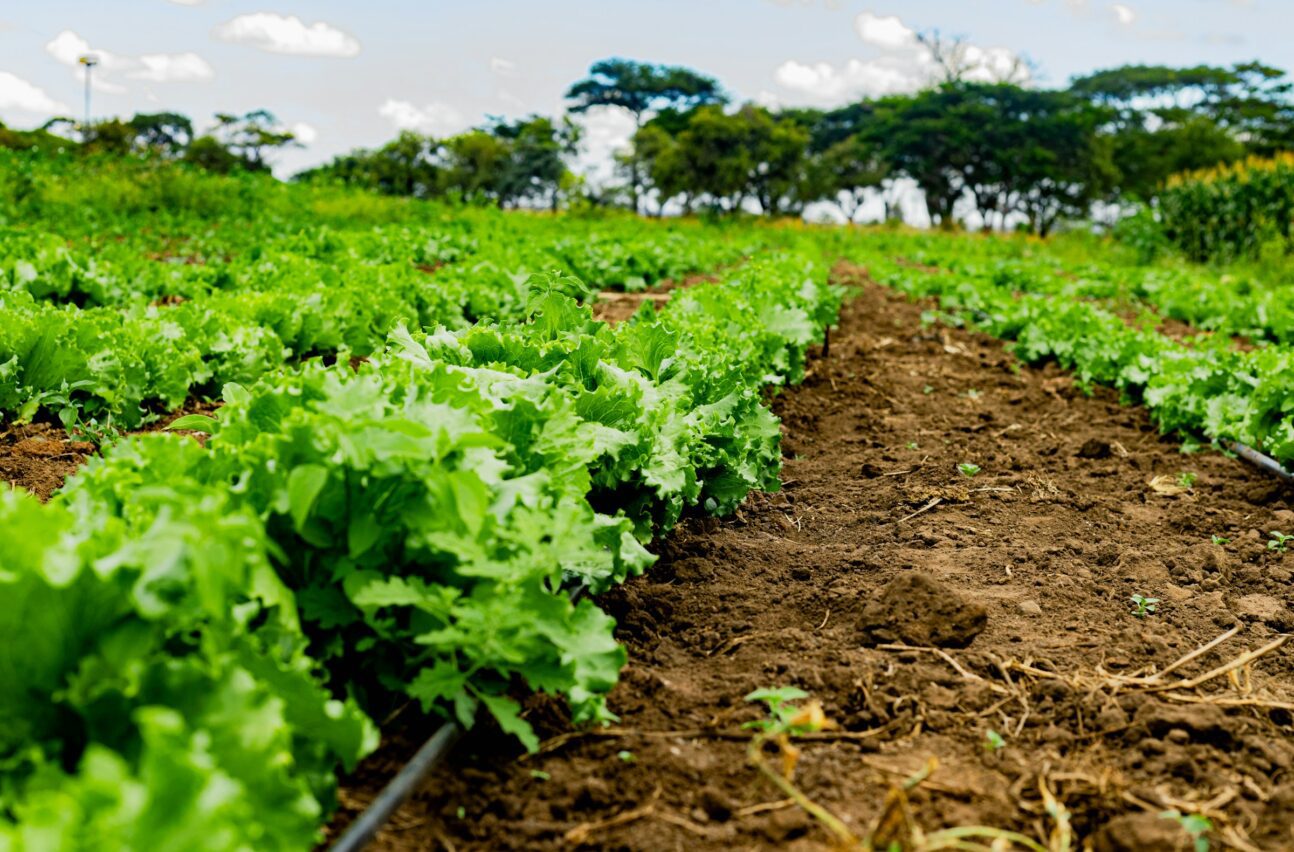
Rwanda’s integrated approach to sustainable agriculture and nutrition
Project Titles & Institution Areas of Research Number of Projects being funded Project Duration Grant Amount In-Kind Distribution Council Collaboration with other councils