
SGCI News
As African countries confront increasingly complex development challenges ranging from climate change and health security to food systems, digital transformation, and economic diversification, the need for strong, responsive national science…
As African countries confront increasingly complex development challenges ranging from climate change and health security to food systems, digital transformation, and economic diversification, the need for strong, responsive national science funding institutions has never been more urgent.
Science granting councils sit at the centre of this challenge, shaping how research is prioritised, funded, governed, and translated into real-world impact. Their strategic leadership is increasingly critical as countries seek to align science, technology, and innovation (STI) investments with continental and national development ambitions.
In 2026, the Science Granting Councils Initiative (SGCI) will build on more than a decade of experience supporting councils across sub-Saharan Africa, deepening its focus on institutional strength, research impact, strategic leadership, and collaboration.
The year ahead marks a phase of consolidation and forward momentum, reflecting lessons learned while responding to emerging national, regional, and continental priorities under SGCI-3.
Building on strong foundations
Over the years, SGCI has worked closely with national councils to strengthen core functions such as grant management, strategic planning, and monitoring and evaluation.
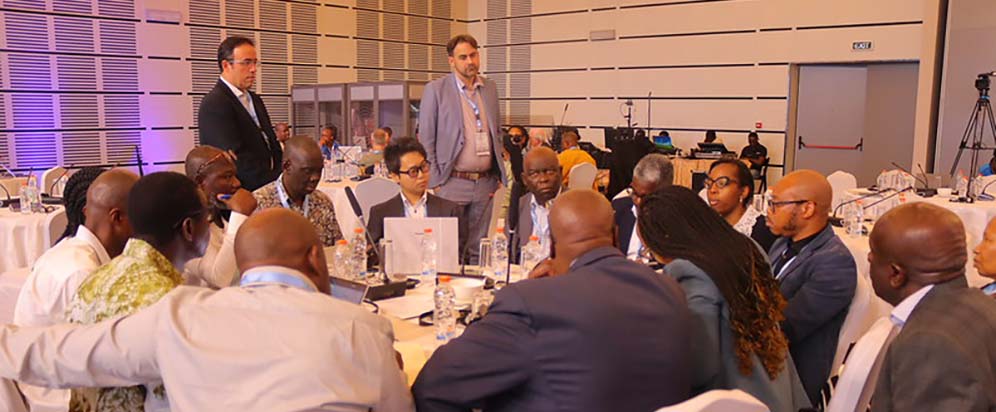
These efforts have helped councils professionalise their operations, align funding more closely with national development goals, and demonstrate the value of public investment in research.
At the same time, SGCI has supported councils to move beyond funding research alone, towards playing a more active role in shaping national and regional research and innovation ecosystems.
Councils are increasingly convening stakeholders, engaging policymakers, and fostering collaboration across borders – foundations that will continue to guide SGCI’s work in 2026.
Deepening institutional capacity
A central focus for 2026 will be further strengthening the institutional capacity of science granting councils to operate as effective, trusted public institutions.
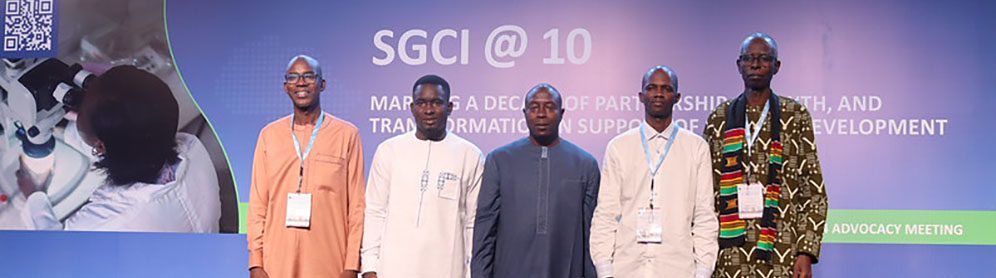
This includes continued support for improving grant administration systems, governance structures, and financial management, as well as strengthening internal skills in areas such as monitoring, evaluation, and learning.
SGCI will also support councils to better use data and evidence to inform strategic decision-making and policy engagement.
As governments and partners increasingly demand accountability and results, councils will be supported to demonstrate how research investments contribute not only to project-level outputs, but to national priorities and long-term development outcomes.
Advancing research for impact
In 2026, SGCI will place renewed emphasis on supporting councils to fund high-quality, Africa-led research and innovation that delivers tangible social, economic, and environmental benefits.
This includes co-funding research that addresses national and regional priorities, supporting multi-country research collaboration in priority sectors, and facilitating more equitable global south research partnerships.
By strengthening links between researchers, policymakers, and other stakeholders, councils can play a pivotal role in ensuring that evidence informs decision-making.
SGCI will continue to support learning and exchange around mechanisms that promote impact, including stakeholder engagement, knowledge translation, and impact assessment.
Strengthening strategic leadership and policy influence
As African countries navigate global and regional uncertainties, the strategic leadership role of science-granting councils is more important than ever.
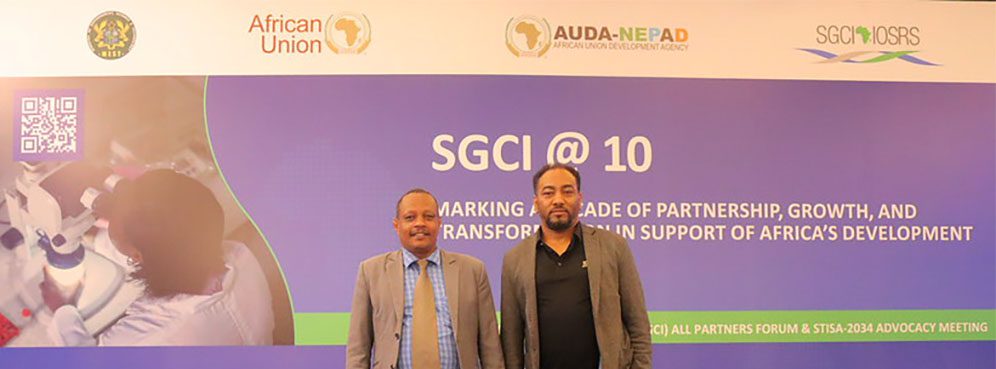
SGCI will place a stronger emphasis on enhancing councils’ ability to influence STI policy and set strategic priorities aligned with national development plans and continental frameworks such as the African Union’s Science, Technology and Innovation Strategy for Africa (STISA-2034).
This includes building knowledge and evidence on African STI systems, strengthening councils’ engagement with the African Union and regional bodies, and supporting councils to forge new alliances and partnerships.
Emphasising African leadership and ownership will be central, ensuring that science and innovation agendas are shaped by African priorities and expertise in addressing pressing development challenges.
The spirit of collaboration, peer learning, and mutual support within SGCI will remain a cornerstone of this work.
As councils face similar constraints and opportunities, shared learning across the network provides a powerful platform for collective progress.
Innovation, partnerships, and emerging priorities
As innovation becomes an increasingly important driver of development, SGCI’s 2026 agenda will also support councils engaging more deliberately with broader innovation ecosystems.
This includes exploring approaches to funding innovation, supporting early-stage technologies, and fostering collaboration between academia, industry, and the public sector.
Partnerships, both within countries and across borders, will remain central to SGCI’s approach.
SGCI will continue to facilitate peer learning among councils, support regional collaboration, and strengthen strategic partnerships with funders, development agencies, and research organisations that share a commitment to African-led science and innovation.
Strengthening visibility and learning through storytelling
Sharing lessons and experiences remains critical to strengthening science systems across the continent.
SGCI will continue to invest in documenting and communicating what works, through stories, case studies, and knowledge products that highlight council leadership, institutional reform, innovation, and impact.
By amplifying council voices through published stories, regional convenings, and participation in international forums, SGCI aims to support councils to raise their profile, share learning, and contribute more visibly to global conversations on research funding and science policy.
What this means for members and partners
For SGCI member councils, 2026 will offer opportunities to deepen institutional reforms, strengthen impact-focused and policy-relevant funding approaches, and enhance their strategic positioning within national and continental STI agendas.
Councils will be supported to improve internal systems while also strengthening their leadership and influence beyond funding.
For partners and stakeholders, SGCI’s 2026 agenda signals a continued commitment to collaboration, African ownership, evidence-based programming, and long-term capacity strengthening across research and innovation systems.
Looking forward
As SGCI looks ahead to 2026, supporting science granting councils to be credible, influential, and impactful institutions remains central to building resilient national STI systems.
The year ahead will be one of consolidation and strategic ambition, building on gains while strengthening leadership, partnerships, and alignment with Africa’s development priorities.
SGCI’s work in 2026 will continue to be guided by a shared conviction that strong science systems led by capable, connected, and strategically positioned granting councils are essential to shaping a more resilient and prosperous future for Africa.
Please check out the stories and let us know what you think. We would love to hear from you!
Let’s continue the conversation on our social media.
Published on 13 January 2026
Author: Jackie Opara-Fatoye
Related News
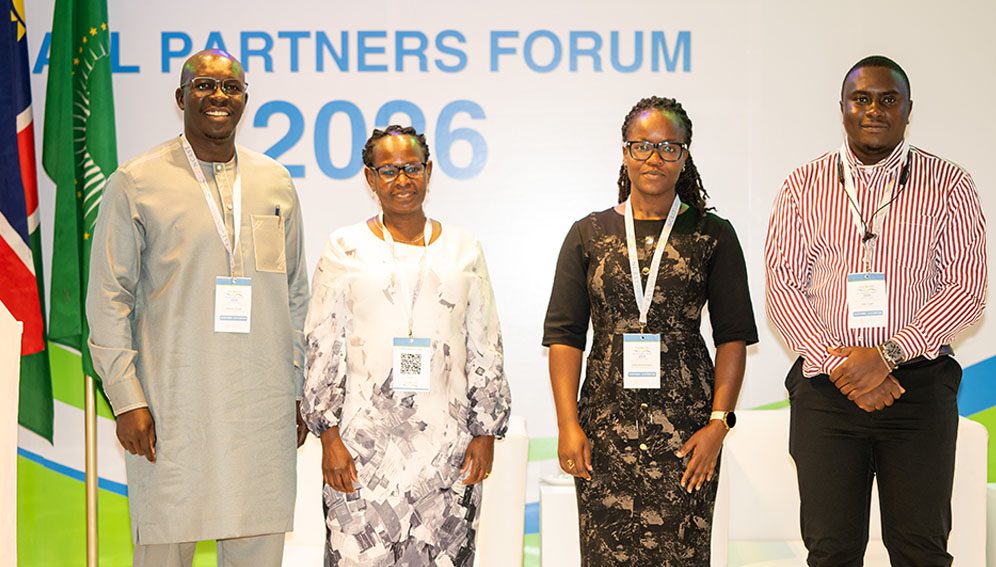
Voices from the SGCI Forum: Building an African-led science system
From calls for African-led research funding to stronger engagement with communities and governments, participants at the 2026 Science Granting Councils Initiative (SGCI) All Partners Forum left Windhoek with a shared sense that Africa’s science and innovation systems are entering a new phase. Held from 28…
NRF champions science, climate action and youth empowerment
Kenya’s National Research Fund (NRF) is strengthening efforts to connect scientific research, innovation and youth participation with practical responses to climate and environmental challenges. NRF chief executive officer Dickson Andala represented the fund at the launch of the Climate Policy and Advocacy Training – Cohort…
Windhoek Declaration: African science funders pledge to act as one
Science granting councils say Africa’s research systems need African ownership, steadier funding and less fragmentation. Here is what they agreed in Windhoek. African science granting councils adopted a collective declaration in Windhoek, Namibia, on 1 October 2026, as part of the Science Granting Councils Initiative…


SGCI funded projects
Rwanda’s integrated approach to sustainable agriculture and nutrition
Project Titles & Institution Areas of Research Number of Projects being funded Project Duration Grant Amount In-Kind Distribution Council Collaboration with other councils