
SGCI News
African countries are working to strengthen research quality, ethical practice, and grant management through the Research Excellence and Good Financial Grant Practices Workshop. The Science Granting Councils Initiative (SGCI), together…
African countries are working to strengthen research quality, ethical practice, and grant management through the Research Excellence and Good Financial Grant Practices Workshop.
The Science Granting Councils Initiative (SGCI), together with the Association of African Universities and Senegal’s Ministry of Higher Education, Research and Innovation, organised the workshop from November 26-28, in Dakar, Senegal.
Representatives from Burkina Faso, Ethiopia, Ghana, Kenya, Malawi, Mozambique, Senegal, Sierra Leone, Tanzania, Togo, Uganda, and Zimbabwe participated in sessions covering research ethics, grant management, and impact planning.
Hamidou Duff, the director general of Research at Senegal’s Ministry of Higher Education, Research and Innovation, identified ongoing research financing problems as a key obstacle to advancing Africa’s development priorities during the workshop’s opening.
He described initiatives like SGCI as vital platforms for strengthening national systems and promoting ethical practice.
The workshop is focused on practical institutional assessments, with participants examining what constitutes an “impact-healthy research institution” and identifying steps to address weak impact culture within their organisations.
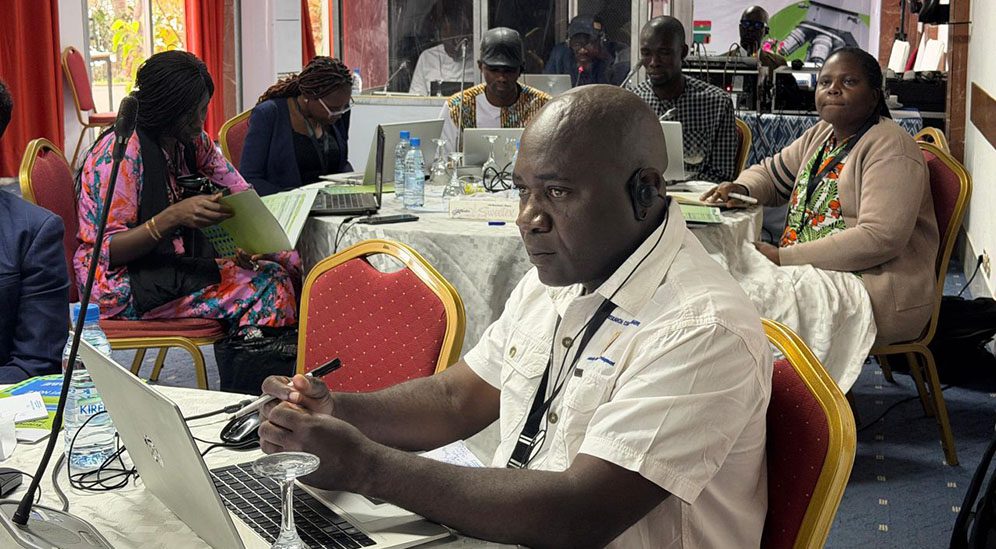
Discussions also highlighted how research institutions can create measurable change in policies, systems, and communities rather than producing findings that go unapplied.
Ruth Issambo Nyarko, project coordinator for SGCI at the Association of African Universities, highlighted the strategic partnerships and shared purpose that continue to shape the councils’ collective journey.
She said the workshop serves as a platform for shared learning and strengthening research impact across Africa, extending beyond technical training to include relationship-building among councils.
The workshop emphasises that research impact must be intentional and planned from early stages, with stakeholders involved to ensure findings address gaps and create tangible change.
Please check out the stories and let us know what you think. We would love to hear from you!
Let’s continue the conversation on our social media
Published on 25 November 2025
Related News
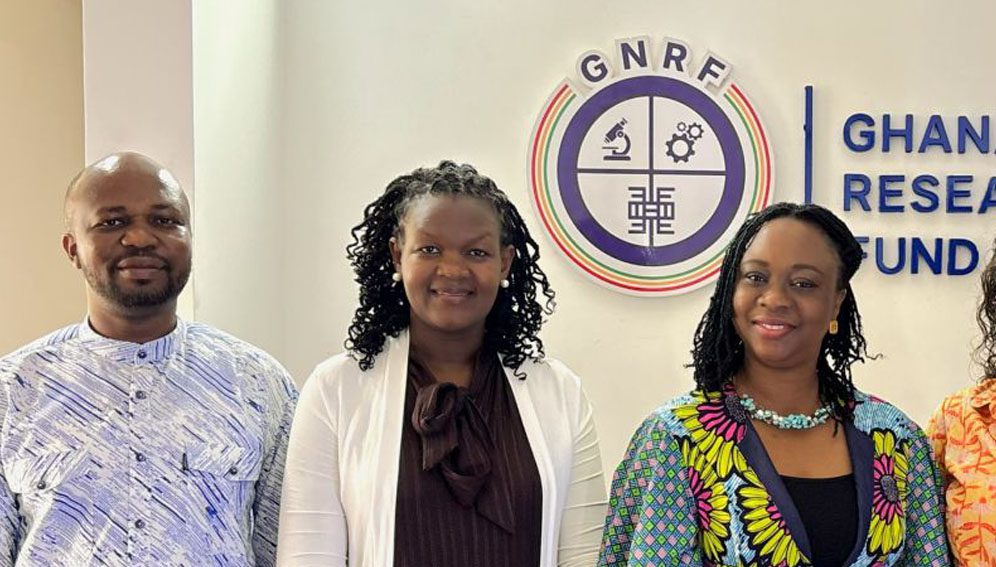
Ghana research fund advances push for open research, science
The Ghana National Research Fund (GNRF) is taking steps to strengthen open access to publicly funded research, as the country develops a framework to advance Open Research and Open Science. GNRF hosted a one-day consultative workshop in Accra with the International Network for Advancing Science…
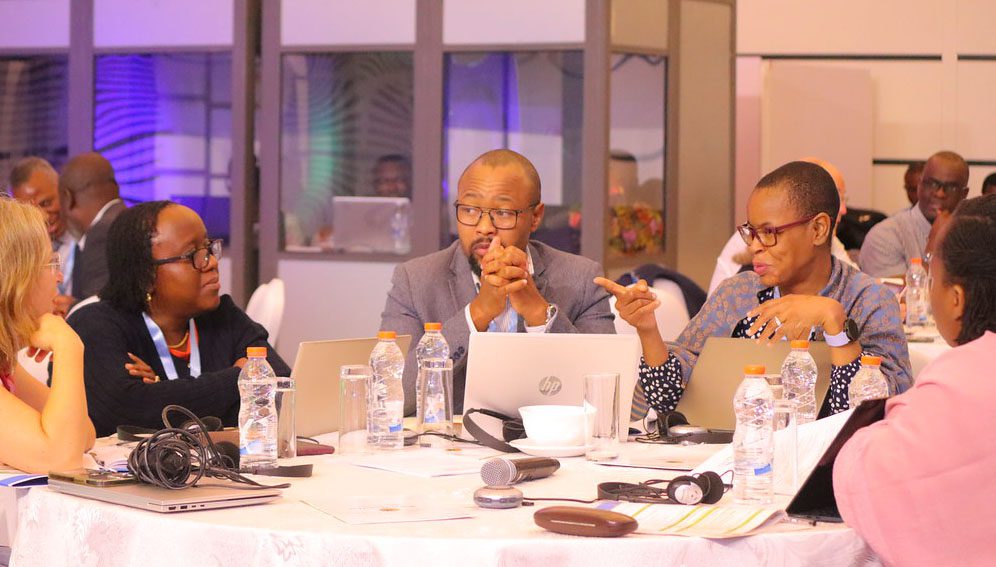
STISA-2034: Councils drive access to Africa’s research opportunity
For a continental research opportunity to deliver impact, researchers need to know whether they are eligible, understand how the opportunity fits their work, find the right partners, and navigate the application process. This is where Africa’s Science Granting Councils have a critical role to play….

How Africa’s STI partnerships and co-investment drive lasting impact
Science, technology, and innovation (STI) in Africa are critical to the continent’s future development and growth. From strengthening skills and institutions to applying science in industry, research goals are interconnected and build on one another. Under STISA-2034, no single institution, funder, or country can deliver…
Research and Resources

SGCI funded projects
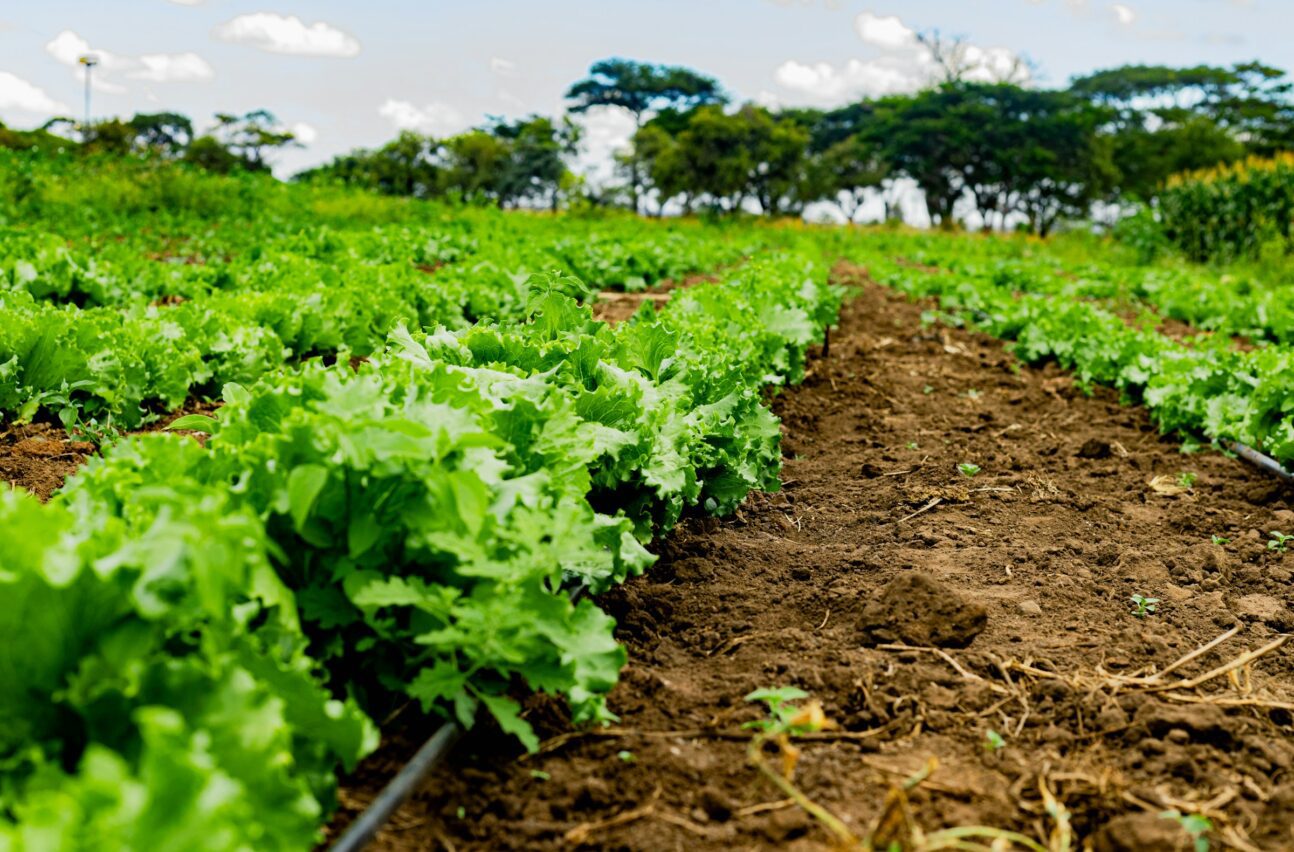
Rwanda’s integrated approach to sustainable agriculture and nutrition
Project Titles & Institution Areas of Research Number of Projects being funded Project Duration Grant Amount In-Kind Distribution Council Collaboration with other councils