
SGCI News
The Science Granting Councils Initiative in Sub-Saharan Africa (SGCI) has reaffirmed its commitment to advancing Africa’s science, technology, and innovation (STI) agenda. At a two-day meeting from 18-19 September in…
The Science Granting Councils Initiative in Sub-Saharan Africa (SGCI) has reaffirmed its commitment to advancing Africa’s science, technology, and innovation (STI) agenda.
At a two-day meeting from 18-19 September in Accra, representatives of 20 national Science Granting Councils, joined by the African Union Commission (AUC), AUDA-NEPAD, and development partners, declared their intention to strengthen their role in driving the implementation of the continental strategy.
Acknowledging the adoption of the AU-STISA 2034, the meeting emphasised that the SGCI, which will enter its third phase (2026-2030), will establish the SGCI Alliance, a new councils-led coordination mechanism designed to expand Africa’s STI ecosystem.
With Africa’s youthful population, a vibrant start-up culture, growing digital infrastructure, and increased political recognition of the role of science in development, the councils underlined their readiness to accelerate innovation-led growth.
In their communiqué, the councils committed to work with African governments to progressively raise domestic research and development funding towards 1 per cent of GDP by 2034, while also advocating for better alignment of external resources with Africa’s strategic priorities.
They noted in particular the need to increase support for engineering and manufacturing research, critical pillars for industrialisation that currently attract disproportionately low levels of international funding.
They further pledged to strengthen dialogue with policymakers and funders to ensure evidence from research shapes national and continental decision-making, while also enhancing regional and global research collaborations in areas such as agriculture, health, ICT, energy, and the environment.
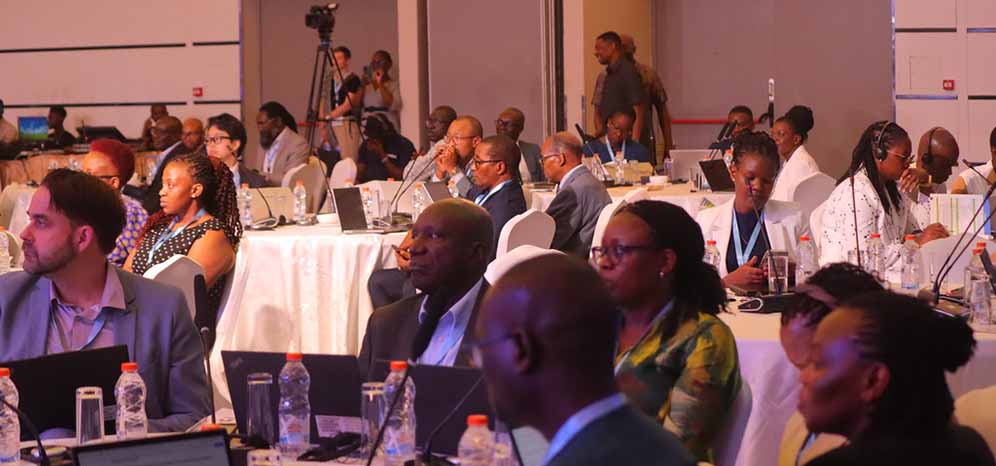
The SGCI highlighted the importance of building stronger systems for knowledge translation and industrialisation so that scientific research leads to tangible products, services, and policies that address Africa’s pressing challenges.
Innovative financing, including public-private partnerships and dedicated national and regional STI funds, will be pursued as strategies to mobilise additional resources.
Equity and inclusion were also reaffirmed as central priorities, with particular attention to gender equality, youth engagement, linguistic diversity, and the participation of marginalised groups.
Santiago Alba-Corral, Vice-President of Canada’s International Development Research Centre (IDRC), praised the initiative’s role in fostering cross-continental collaboration.
“SGCI has also been the platform that has led to new programming and fostered collaborations between participating councils. We have also learned lessons from the past decade so that SGCI can do even more in the coming years to enable equitable research collaborations between the North and the South,” Alba-Corral said at the opening ceremony of the SGCI All Partners meeting.
The gathering built on momentum from 2024, when the councils first called for a stronger role in shaping AU-STISA 2034, and the Accra meeting has now positioned them at the heart of Africa’s efforts to use science and innovation as drivers of industrialisation and sustainable development.
Kindly access the full communiqué here
Please check out the stories and let us know what you think. We would love to hear from you!
Let’s continue the conversation on our social media.
Related News
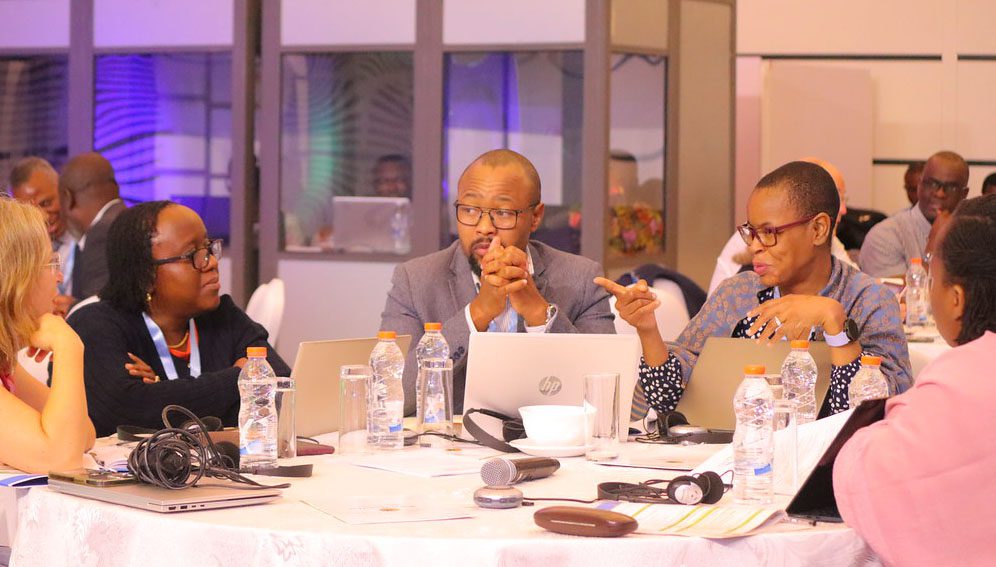
STISA-2034: Councils drive access to Africa’s research opportunity
For a continental research opportunity to deliver impact, researchers need to know whether they are eligible, understand how the opportunity fits their work, find the right partners, and navigate the application process. This is where Africa’s Science Granting Councils have a critical role to play….

How Africa’s STI partnerships and co-investment drive lasting impact
Science, technology, and innovation (STI) in Africa are critical to the continent’s future development and growth. From strengthening skills and institutions to applying science in industry, research goals are interconnected and build on one another. Under STISA-2034, no single institution, funder, or country can deliver…
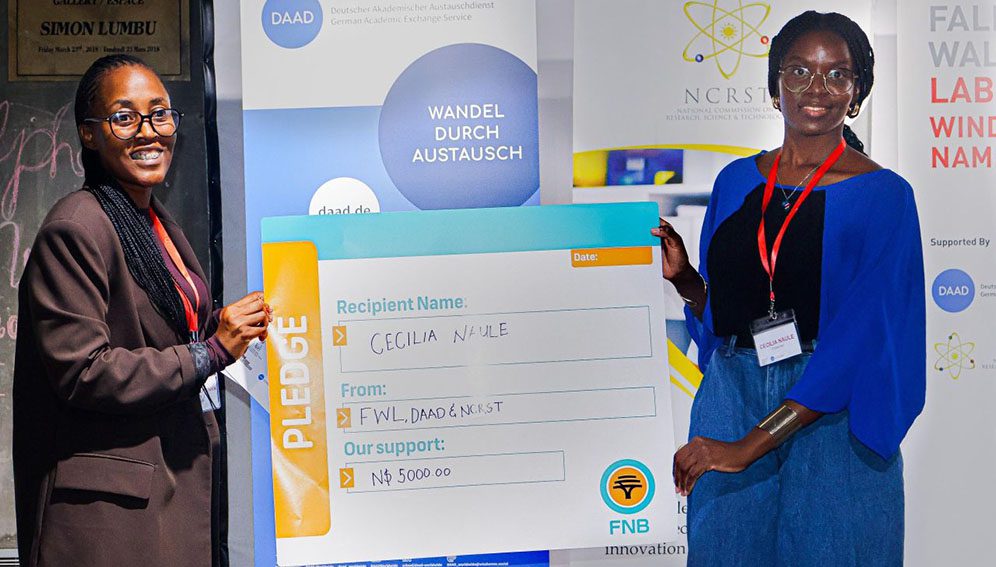
Namibia’s young innovators showcase solutions at Falling Walls Lab
Namibia’s young innovators are developing practical solutions to some of the country’s pressing challenges, from improving mobility for people with visual impairments to finding ways of storing solar energy for use when sunlight is unavailable. These ideas were showcased at the Falling Walls Lab Namibia…
Research and Resources

SGCI funded projects
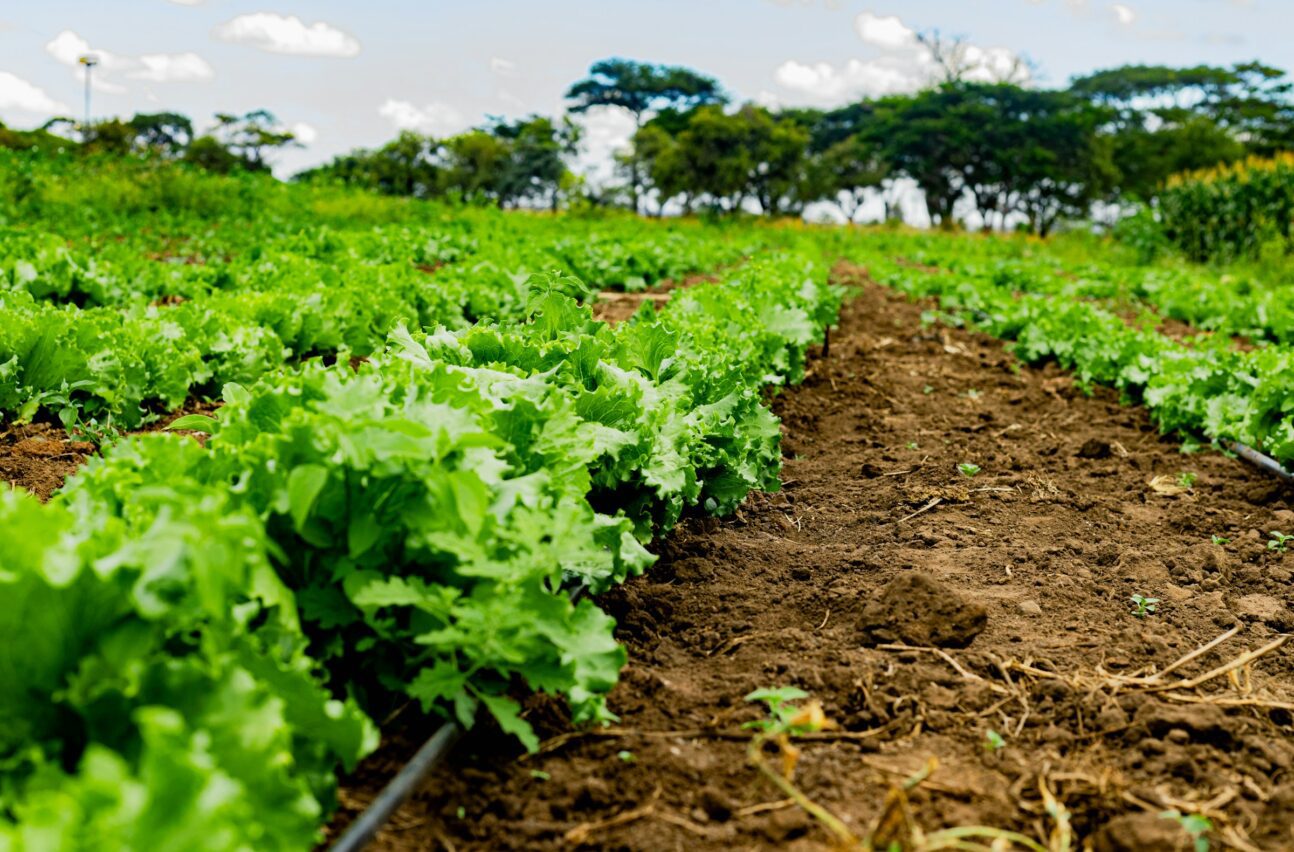
Rwanda’s integrated approach to sustainable agriculture and nutrition
Project Titles & Institution Areas of Research Number of Projects being funded Project Duration Grant Amount In-Kind Distribution Council Collaboration with other councils