SGCI News
As artificial intelligence (AI) continues to shape the global landscape, Namibia is positioning itself as a continental frontrunner in building ethical, inclusive, and well-governed AI systems. A key milestone was…
As artificial intelligence (AI) continues to shape the global landscape, Namibia is positioning itself as a continental frontrunner in building ethical, inclusive, and well-governed AI systems.
A key milestone was the official launch of the Namibian AI Readiness Assessment Methodology (RAM) report presented by the National Commission on Research, Science and Technology (NCRST), at the 3rd UNESCO Global Forum on the Ethics of Artificial Intelligence, held in Bangkok, Thailand, from 24 to 27 June 2025.
The report followed a UNESCO-developed framework that evaluates a nation’s capacity to implement ethical AI in line with global standards.
Namibia is among the first six countries in Southern Africa to complete this assessment, with the results now published in UNESCO’s global AI repository.
The RAM report highlights Namibia’s progress in governance, digital infrastructure, public awareness, and human rights protections in AI use.
Anicia Peters, chief executive officer of NCRST, who represented Namibia at the forum, highlighted the importance of aligning AI investments with Namibia’s national development priorities and stressed the need for inclusive, multi-stakeholder collaboration to build a sustainable AI ecosystem.
Simeon Hamukoshi, strategic projects coordinator at NCRST, who was also at the event, addressed a session titled AI for Youth, AI by Youth, where he emphasised the importance of youth participation in shaping the future of AI in Africa.
He shared lessons from Namibia’s RAM process and highlighted NCRST’s commitment to equipping young Namibians with the skills and opportunities needed to participate in the digital economy.
Namibia’s proactive approach to ethical AI is rooted in years of strategic engagement, including its co-hosting of the 2022 Southern Africa Sub-regional Forum on Artificial Intelligence with UNESCO.
These efforts reflect a broader push to strengthen digital governance, foster innovation, and prepare the country for the demands of the Fourth Industrial Revolution.
According to NCRST, UNESCO has also expressed its willingness to support Namibia with practical resources, such as improved infrastructure access for local researchers and developers, further strengthening national capacity in science and technology.
Please check out the stories and let us know what you think. We would love to hear from you.
Let’s continue the conversation on our social media.
Follow us on LinkedIn
Published on 3 July 2025
Written by Jackie Opara
Related News
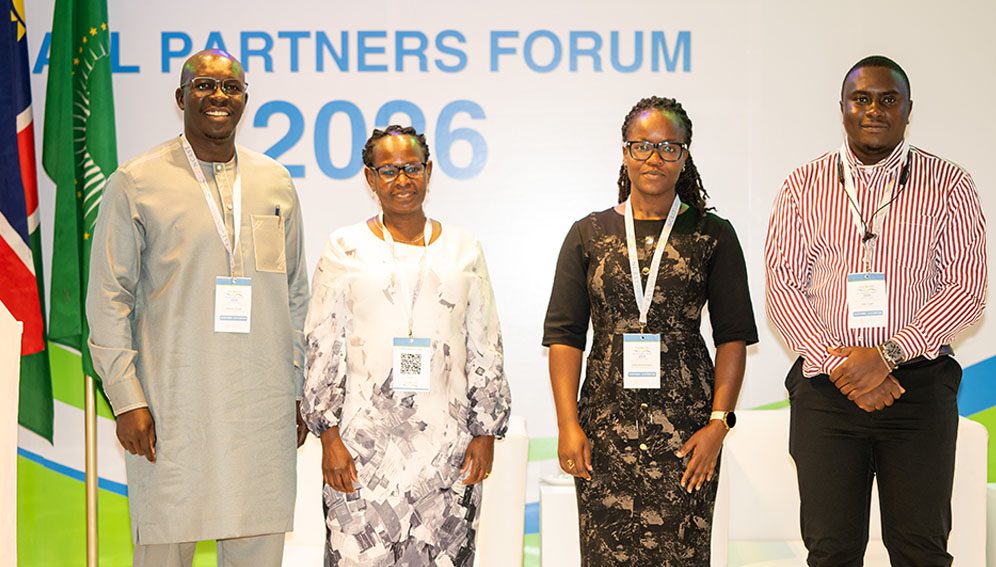
Voices from the SGCI Forum: Building an African-led science system
From calls for African-led research funding to stronger engagement with communities and governments, participants at the 2026 Science Granting Councils Initiative (SGCI) All Partners Forum left Windhoek with a shared sense that Africa’s science and innovation systems are entering a new phase. Held from 28…
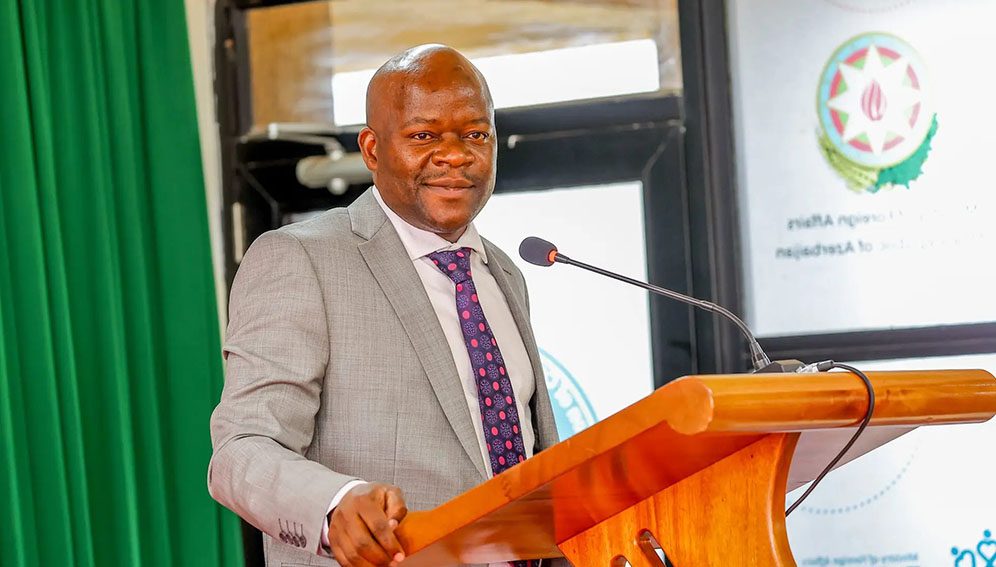
NRF champions science, climate action and youth empowerment
Kenya’s National Research Fund (NRF) is strengthening efforts to connect scientific research, innovation and youth participation with practical responses to climate and environmental challenges. NRF chief executive officer Dickson Andala represented the fund at the launch of the Climate Policy and Advocacy Training – Cohort…
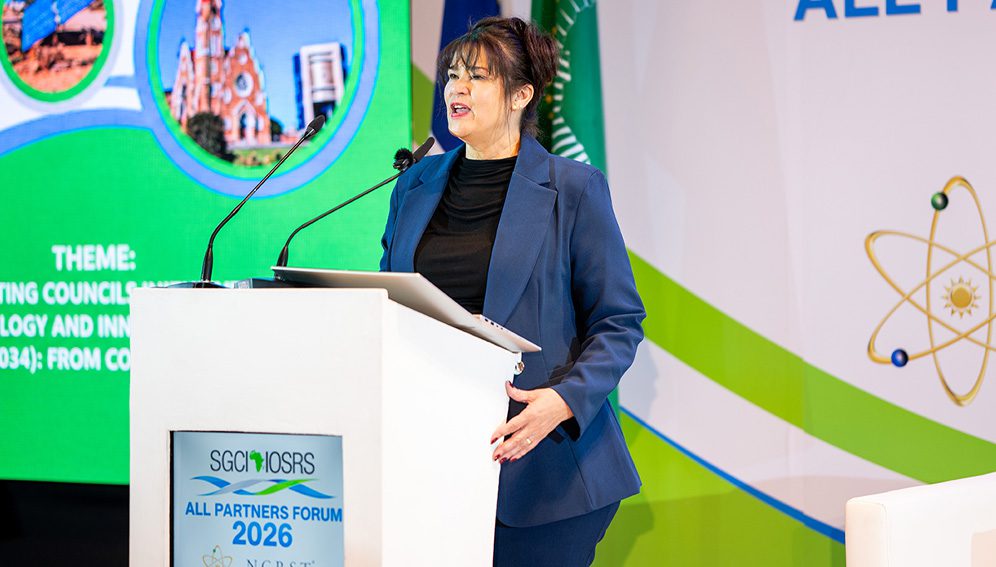
Windhoek Declaration: African science funders pledge to act as one
Science granting councils say Africa’s research systems need African ownership, steadier funding and less fragmentation. Here is what they agreed in Windhoek. African science granting councils adopted a collective declaration in Windhoek, Namibia, on 1 October 2026, as part of the Science Granting Councils Initiative…


SGCI funded projects
Rwanda’s integrated approach to sustainable agriculture and nutrition
Project Titles & Institution Areas of Research Number of Projects being funded Project Duration Grant Amount In-Kind Distribution Council Collaboration with other councils