
SGCI News
[KAMPALA] In Uganda, the proportion of female researchers is below the world average, according to a report by the country’s research agency. The Uganda Council for Science and Technology…
Flagrant pay inequalities between men and women
In Uganda, women account for less than a third of researchers
Lack of legislation contributes to gender inequality
[KAMPALA] In Uganda, the proportion of female researchers is below the world average, according to a report by the country’s research agency.
The Uganda Council for Science and Technology points out in its Report, entitled National Research Outlook [Perspectives sur la recherche nationale], published on June 21, that women account for just 28% of researchers, compared with the world average of 33%, according to UN statistics.
The figures are even lower in traditionally male-dominated fields such as engineering and technology.
Between 2010 and 2020, women accounted for less than a quarter of PhD students in Uganda, according to the report.
These figures highlight the issue of gender inequality in scientific research in Africa, which is one of the priorities of the Science Funding Agencies Initiative (SFAI), a program designed to develop the potential of science funding agencies on the continent.
IOSRS is supported by Canada’s International Development Research Centre (IDRC) and five other funding agencies.
Policy failures
Diakalia Sanogo, Program Officer at IDRC’s Regional Office for Central and West Africa in Dakar, Senegal, has a very clear idea of why gender inequalities persist.
In his view, the lack of appropriate legislation and poor implementation of research funding policies are hampering efforts to make gender equality and the inclusion of women a reality.
” Much has been done to make gender equality and the inclusion of women the norm, especially in science, technology and innovation, but this change in roles requires real action “, according to the researcher.
For him, these inequalities manifest themselves not only in wage differentials, but also in attitudes and behavior.
“That’s why we say it’s important to free ourselves from negative behaviors by raising awareness through dialogue ,” he adds.
Ingrid Lynch, principal investigator of the IOSRS Gender and Inclusion Project, believes that these inequalities appear very early on in the education system.
She points out that girls are falling behind in STEM [science, technology, engineering and mathematics] as early as elementary school.
” We have a number of levers at our disposal to try and plug the gap ,” says Ingrid Lynch, who also works at the Human Sciences Research Council in South Africa.
She added that only a handful of countries have so-called ” continuation ” policies, which enable young girls to fully enjoy their right to education.
She gives the example of Sierra Leone, where pregnant girls can stay at school as long as they like, and return immediately after giving birth.
Roadmap to equality
Steven Sebbale, who is a member of the Uganda Council for Science and Technology (UNCST), believes that to find a solution to gender inequality, we simply need to look at the structural, historical and contextual contradictions that perpetuate gender problems within the system.
He points out, for example, the geographical disparity between universities. The bulk of research activity in public universities is concentrated in urban centers, leaving outlying universities to fend for themselves, and the researchers working there not necessarily aware of the funding they could benefit from.
” We created an Alliance for Gender Equity in Research, which brought together researchers from these different satellite universities, brought them around the same table and listened to their stories. We were then able to draw up a roadmap for inclusive funding of research and education “, he adds.
He explains that the aim is to help universities develop gender policies and ” challenge some long-held ideas”.
This work was funded by the International Development Research Centre. in Ottawa, Canada. The opinions expressed are not necessarily those of the Centre or its Board of Governors.
Related News
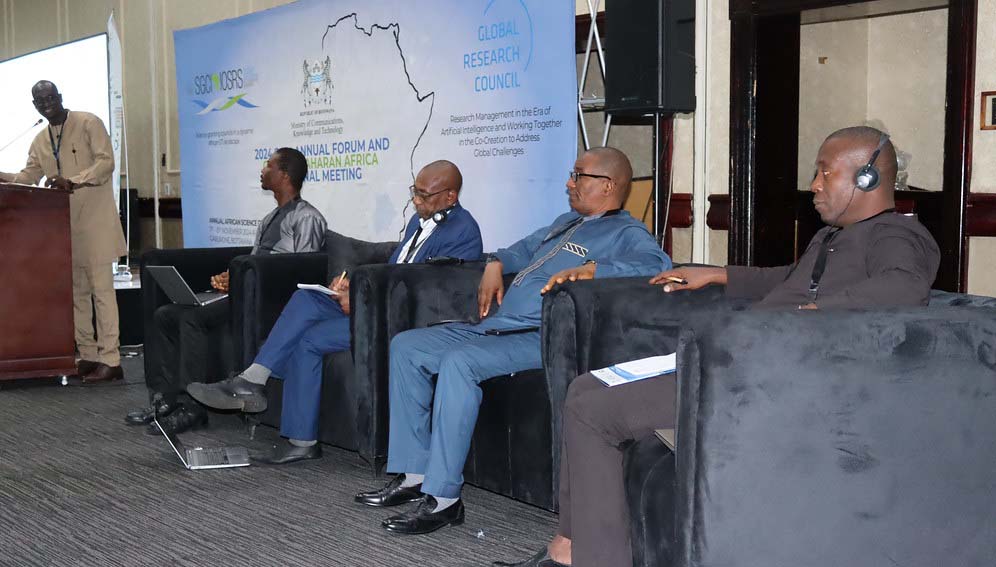
STISA-2034:Turning research into policy through knowledge uptake
Africa produces a growing body of research on the challenges shaping everyday life, yet a persistent gap remains between generating evidence and putting it to use. Research findings may be published in journals, presented at conferences and archived in institutional repositories, but too often they…
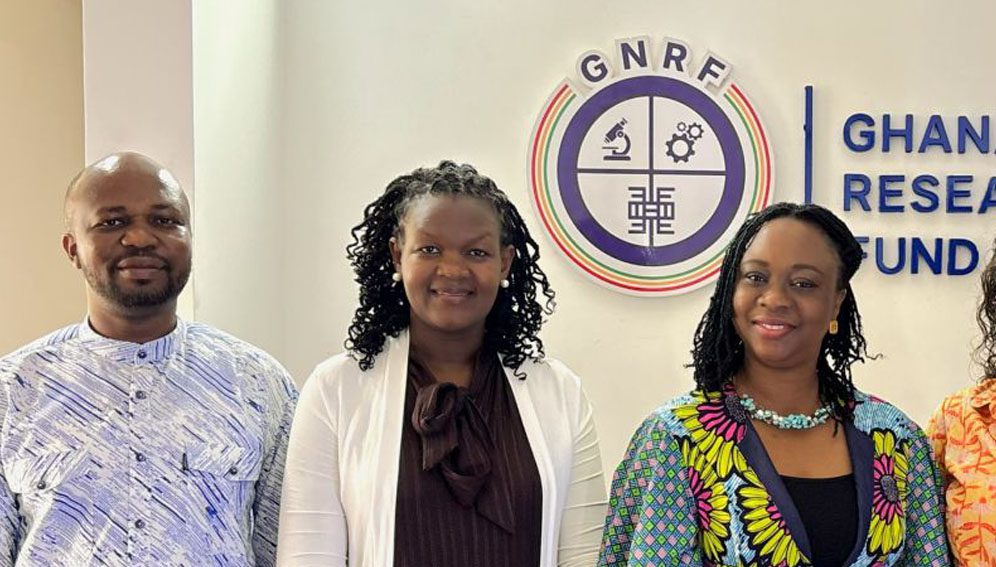
Ghana research fund advances push for open research, science
The Ghana National Research Fund (GNRF) is taking steps to strengthen open access to publicly funded research, as the country develops a framework to advance Open Research and Open Science. GNRF hosted a one-day consultative workshop in Accra with the International Network for Advancing Science…
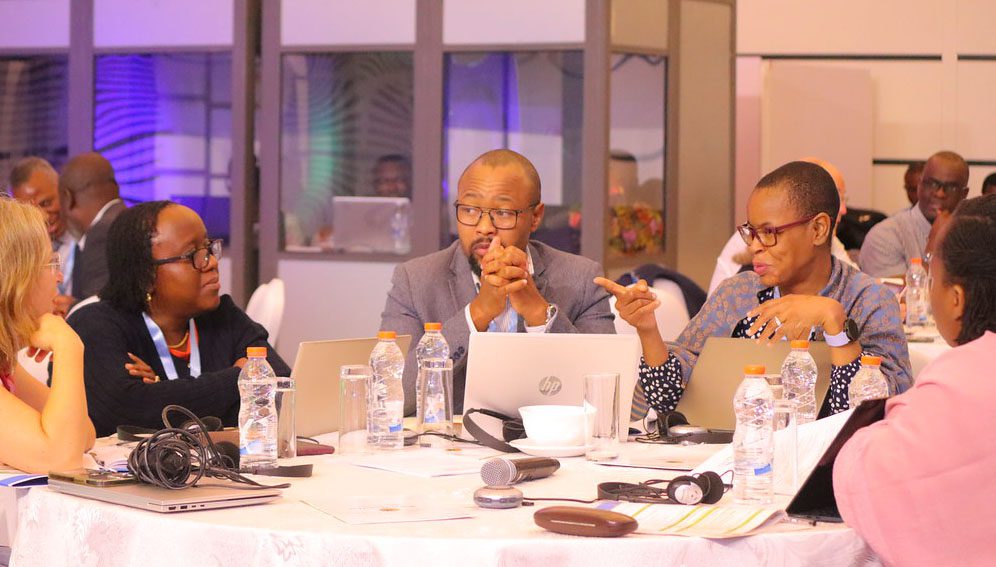
STISA-2034: Councils drive access to Africa’s research opportunity
For a continental research opportunity to deliver impact, researchers need to know whether they are eligible, understand how the opportunity fits their work, find the right partners, and navigate the application process. This is where Africa’s Science Granting Councils have a critical role to play….
Research and Resources

SGCI funded projects
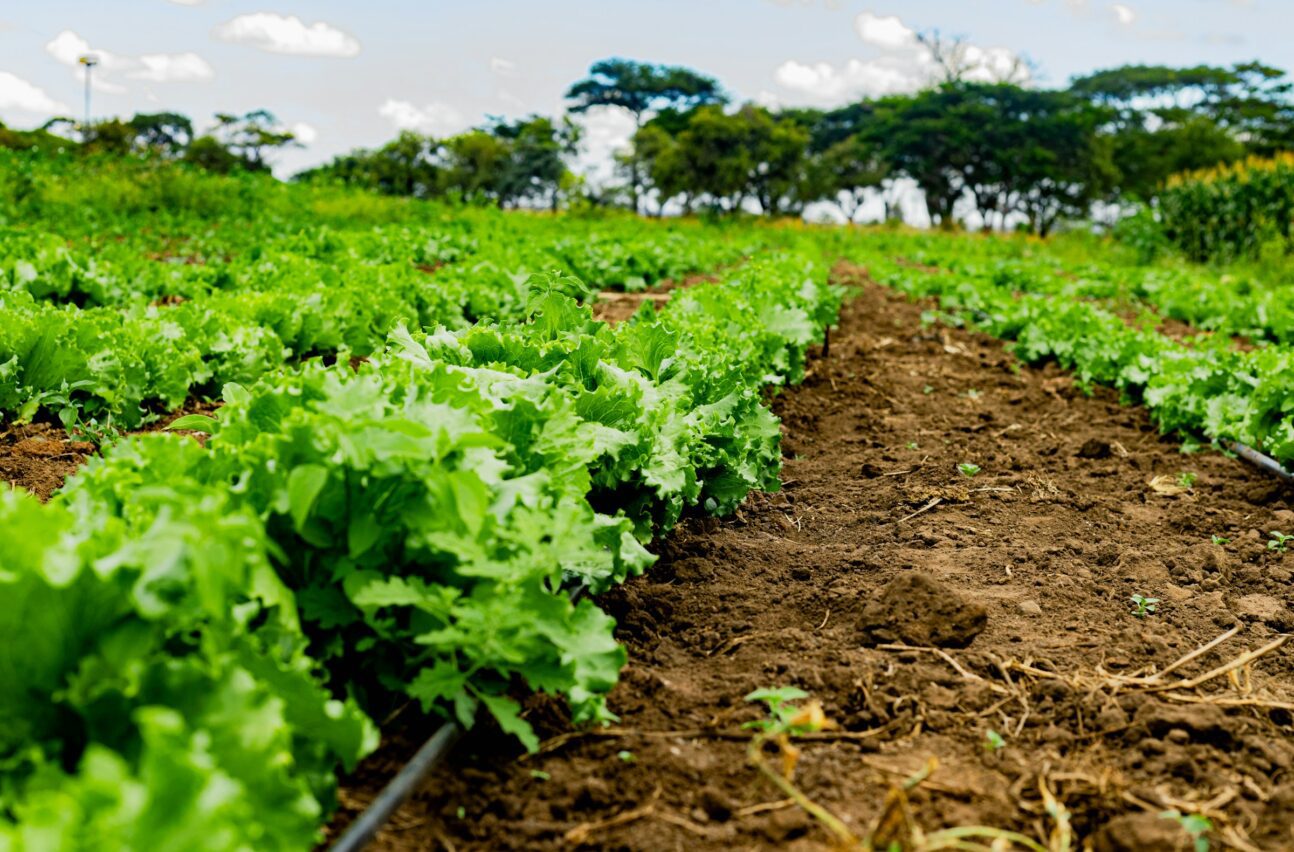
Rwanda’s integrated approach to sustainable agriculture and nutrition
Project Titles & Institution Areas of Research Number of Projects being funded Project Duration Grant Amount In-Kind Distribution Council Collaboration with other councils