
Rwanda
Science Granting Council
Summary
The Mission of NCST is to enable Rwanda to become a country based on science, technology and innovation as tools for promoting social welfare and sustainable socio economic development of the country and competitiveness on the market.
Council details
The National Council for Science and Technology (NCST) leads Rwanda’s mission to become a knowledge-based economy driven by science, technology, and innovation. NCST works to ensure research directly enhances national development, improves well-being, and supports inclusive, sustainable growth.
By aligning innovation with national priorities, NCST aims to create a society where science is embedded in entrepreneurship, job creation, and competitiveness. It plays a vital role in integrating research into policy and practice, ensuring that scientific advances translate into real benefits for Rwandan communities.
NCST promotes collaboration among researchers, industry leaders, and communities. These partnerships ensure that scientific research is relevant, impactful, and responsive to the needs of the people.
Strengthening Research Through SGCI
Rwanda joined the Science Granting Councils Initiative (SGCI) to strengthen its science funding systems and research management capacity. NCST has greatly benefited from the SGCI’s targeted capacity-building efforts.
One key initiative was NCST’s participation in a regional workshop on research and grant management. Conducted in partnership with the Southern Africa Research Innovation Management Association and the Eastern Africa Research and Innovation Management Association, the workshop aimed to improve grants administration across Sub-Saharan Africa.
These efforts are helping NCST build robust systems that support transparent, effective research funding and implementation.
Promoting Commercialisation and Innovation
NCST is enhancing the uptake and commercialisation of research results. Under the SGCI, NCST has funded five commercialisation-focused projects that link academia with the private sector. These projects aim to bridge the gap between research and industry, turning scientific results into market-ready products and services.
By fostering innovation ecosystems and strengthening research infrastructure, NCST ensures that science and technology contribute meaningfully to Rwanda’s transformation.
Impact we’re having

Stories of change
Low-tech health app engages
Five years after its launch, PENSA – a mobile app developed in Mozambique— has been accessed by…
SGCI funded projects

Rwanda’s integrated approach to sustainable agriculture and nutrition
Project Titles & Institution Areas of Research Number of Projects being funded Project Duration Grant Amount In-Kind Distribution Council Collaboration with other councils
Research and Resources

Related News
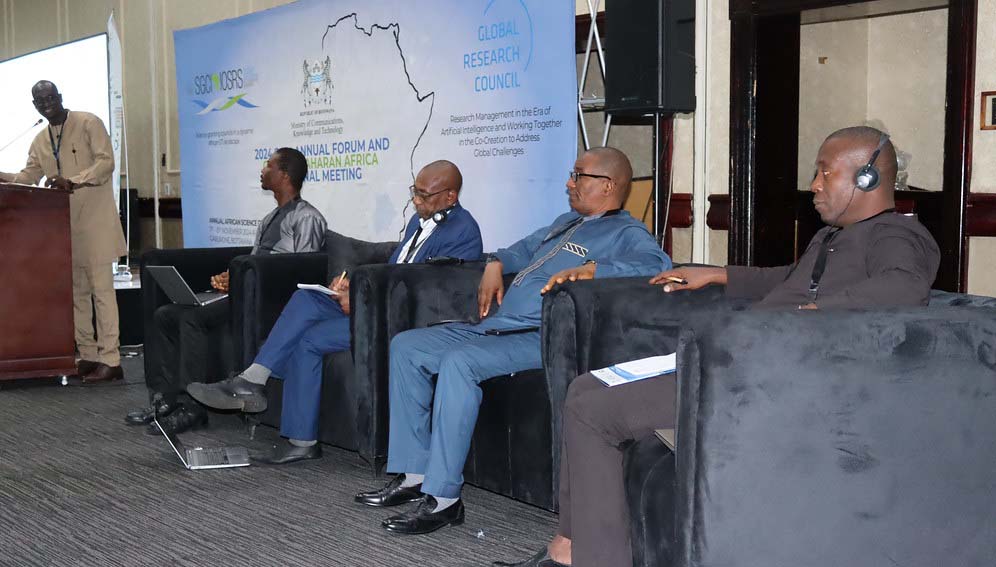
STISA-2034:Turning research into policy through knowledge uptake
Africa produces a growing body of research on the challenges shaping everyday life, yet a persistent gap remains between generating evidence and putting it to use. Research findings may be published in journals, presented at conferences and archived in institutional repositories, but too often they…

Ghana research fund advances push for open research, science
The Ghana National Research Fund (GNRF) is taking steps to strengthen open access to publicly funded research, as the country develops a framework to advance Open Research and Open Science. GNRF hosted a one-day consultative workshop in Accra with the International Network for Advancing Science…
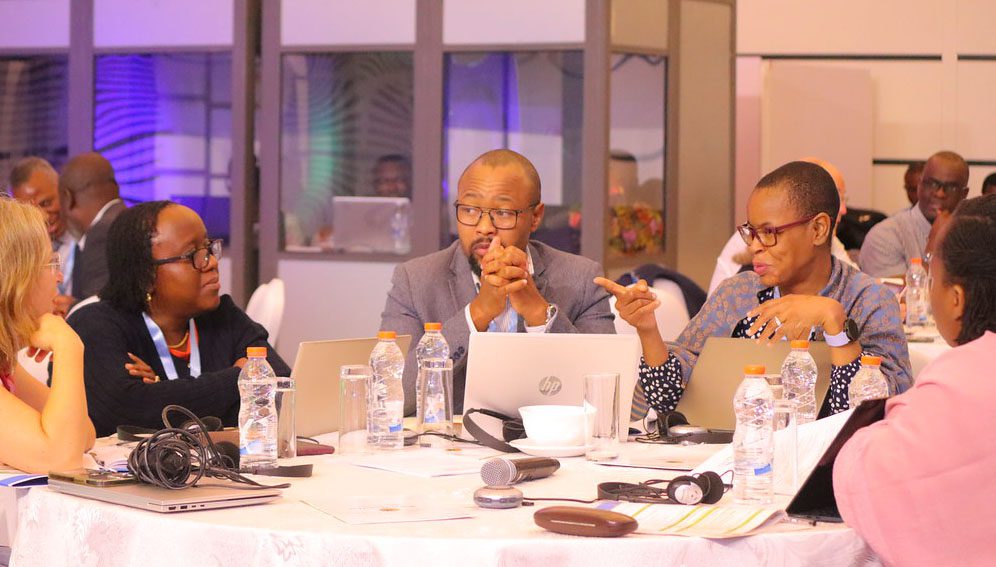
STISA-2034: Councils drive access to Africa’s research opportunity
For a continental research opportunity to deliver impact, researchers need to know whether they are eligible, understand how the opportunity fits their work, find the right partners, and navigate the application process. This is where Africa’s Science Granting Councils have a critical role to play….