
SGCI News
Globally, the use of research in formulating policy, gained traction just after World War II and became a standard of best practice for governmental and non-governmental organisations towards the end…
Globally, the use of research in formulating policy, gained traction just after World War II and became a standard of best practice for governmental and non-governmental organisations towards the end of the 20th century. Consequently, nations of the Global North are striving to use evidence-based policies in advancing their development agenda. Examples of such countries include, the Netherlands, USA, and the United Kingdom.
However, this is not common practice in Africa and there is a great lacuna between research and policy. Existing literature reveals that there is limited work on the relationship between knowledge production and development in Africa. Not only does most research exist in seeming isolation, but there is also a lack of institutional support and enabling frameworks for knowledge to be transformed into policies and initiatives that contribute to societal advancement. To have a holistic appraisal of this phenomenon in Africa and to ascertain the current state, this study reviewed four (4) SGCI participating councils. The study examined the research activities of the SGCs in relation to their alignment to the national priorities/ plan and the usefulness or translation of research outcomes/ knowledge production into tangible products capable of improving the wellbeing of citizens in the individual states.
The report, titled Politics and policy in knowledge production for development, offers practical recommendations for strengthening R&D in Africa. This entails joint effort by various stakeholders involved in the process. The report summarises key findings generated qualitatively from existing literature and primary data gathered via the interviews conducted with key stakeholders in the four (4) SGCs studied under this project. The recommendations that this report offer advances practical steps needed to revamp and improve the research community and as well strengthen the strained relationship between the former and the policymakers. This is all in bid to generating research products and valorise them for the betterment of the entire populace.
The final report can be access here.
A research article publish in Academia Letters can be accessed here.
A policy brief geared towards policymakers can be accessed here.
Related News
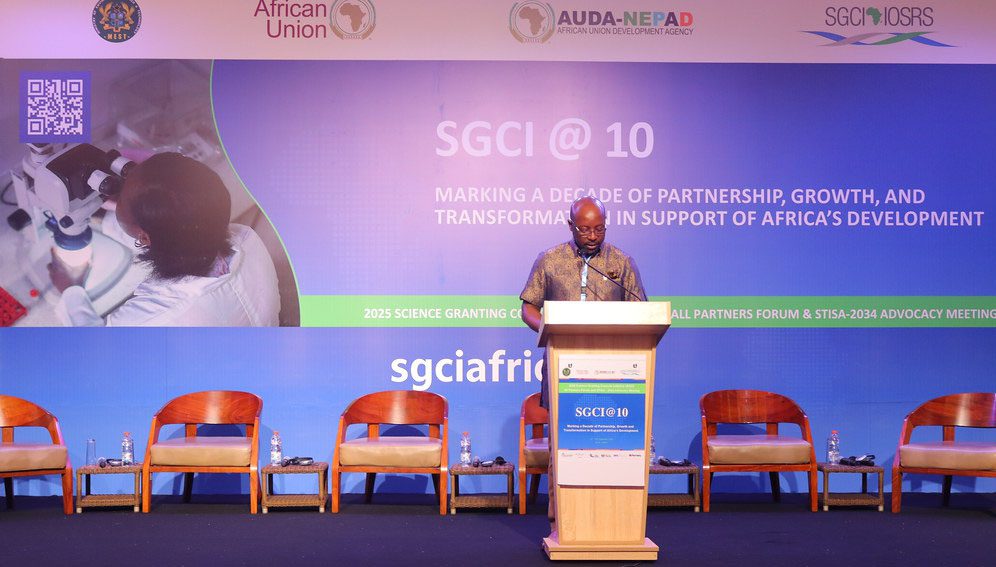
From commitment to action: why the 2026 All Partners Forum matters
When partners gather in Windhoek, Namibia, for the 2026 Science Granting Councils Initiative (SGCI) All Partners Forum, they will meet at an important point in the evolution of Africa’s science, technology and innovation landscape. The Forum will be held from 28 September to 1 October…
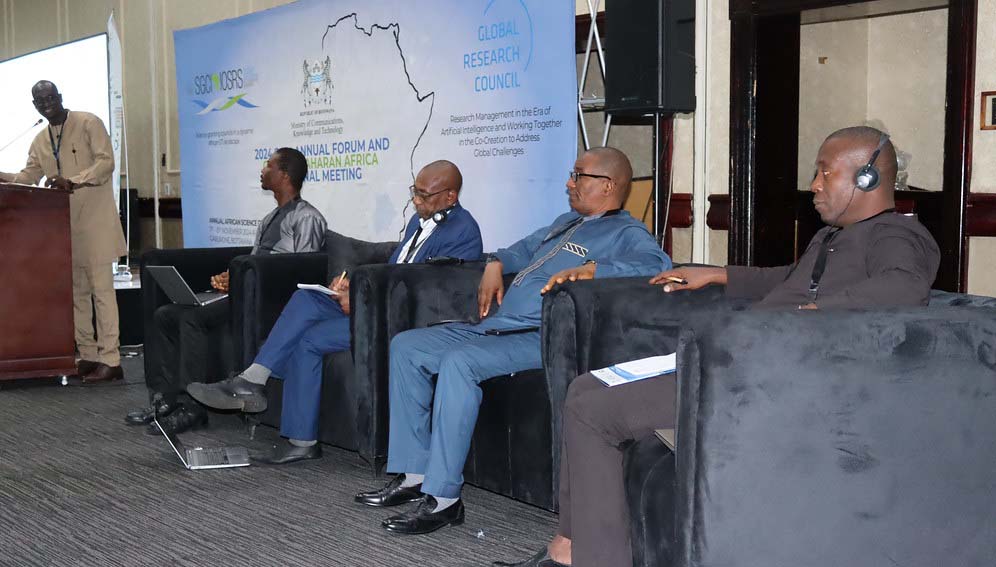
STISA-2034:Turning research into policy through knowledge uptake
Africa produces a growing body of research on the challenges shaping everyday life, yet a persistent gap remains between generating evidence and putting it to use. Research findings may be published in journals, presented at conferences and archived in institutional repositories, but too often they…
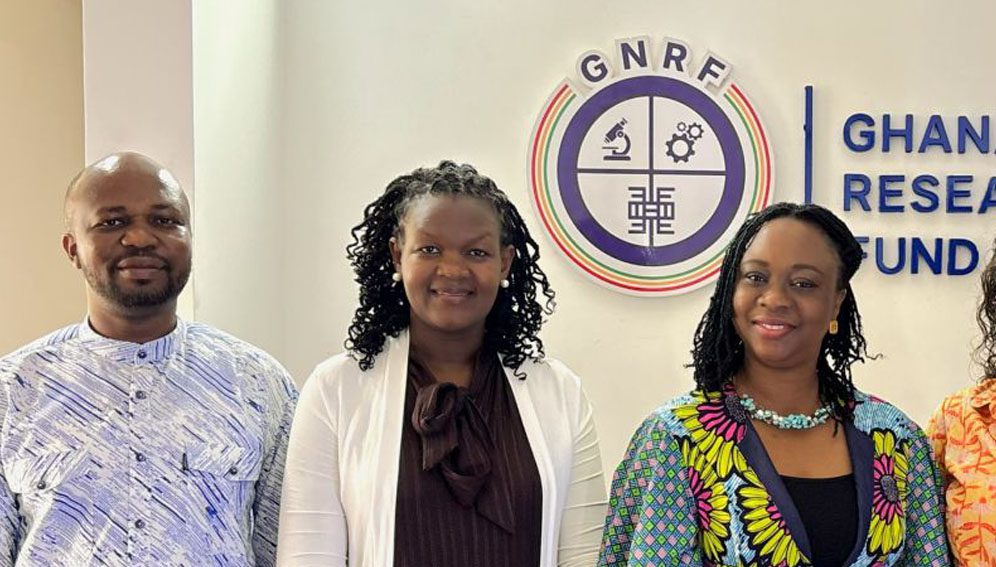
Ghana research fund advances push for open research, science
The Ghana National Research Fund (GNRF) is taking steps to strengthen open access to publicly funded research, as the country develops a framework to advance Open Research and Open Science. GNRF hosted a one-day consultative workshop in Accra with the International Network for Advancing Science…
Research and Resources

SGCI funded projects
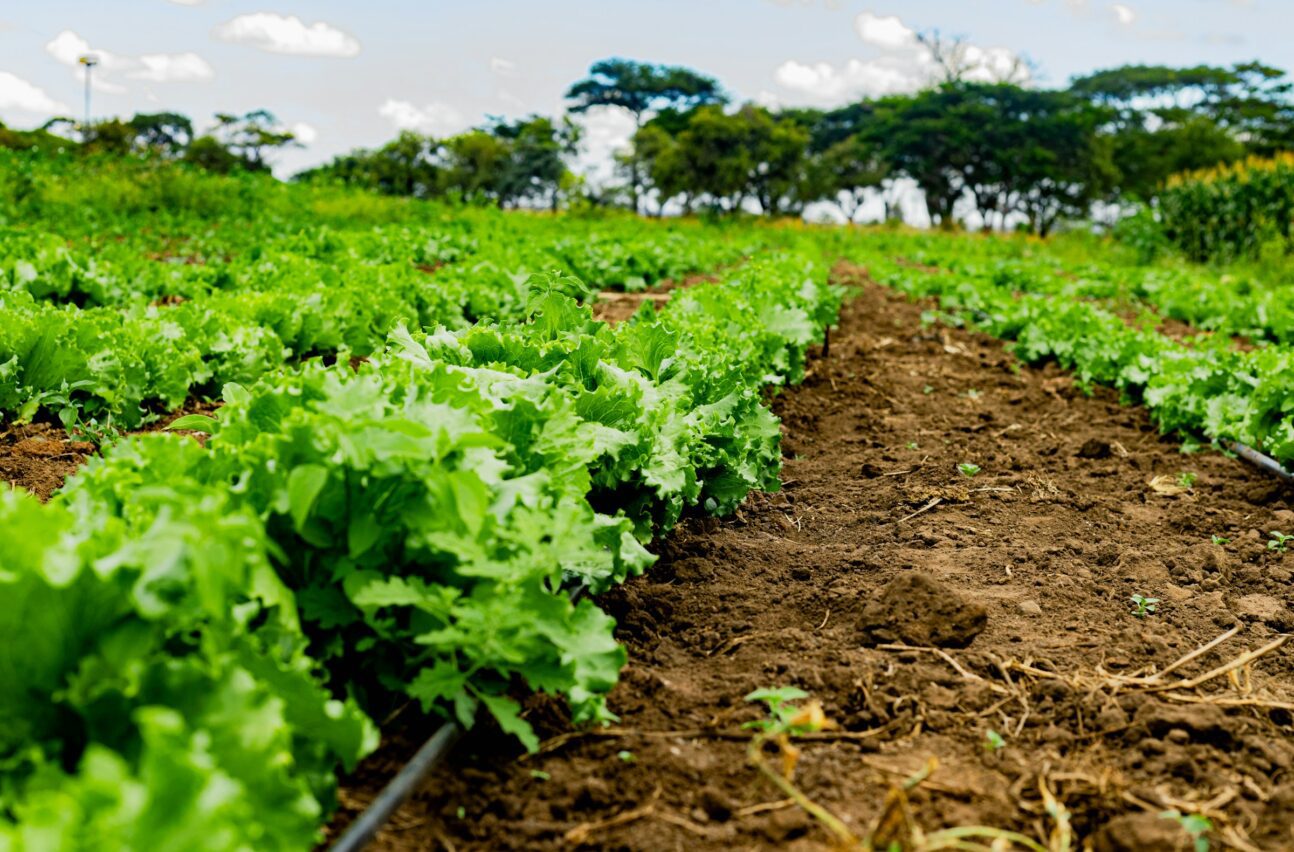
Rwanda’s integrated approach to sustainable agriculture and nutrition
Project Titles & Institution Areas of Research Number of Projects being funded Project Duration Grant Amount In-Kind Distribution Council Collaboration with other councils