
SGCI News
The inaugural Science Granting Councils Initiative in Sub-Saharan Africa (SGCI) academic symposium took place on 6 December as part of the ongoing African Science Granting Councils and Partner Meetings in…
The inaugural Science Granting Councils Initiative in Sub-Saharan Africa (SGCI) academic symposium took place on 6 December as part of the ongoing African Science Granting Councils and Partner Meetings in Cape Town.
The SGCI has facilitated the funding of over 70 research projects across all scientific fields. Working together with the 17 science granting councils that participate in the SGCI, the projects are funded to support national, regional, and continental strategic research priorities.
The African Science Granting Councils and Partner Meetings are a series of high-level dialogues and engagements being held in parallel to the World Science Forum (WSF) hosted by South Africa’s Department of Science and Innovation (DSI) in Cape Town on 6-9 December.
Principal investigators of seven research projects representing SGCI participating countries Mozambique, Kenya, Namibia, Tanzania and Uganda with a focus on agro-processing and insect physiology and ecology presented their projects, including achievements to date and stories of impact. The projects included:
- PUCFPFP Research Project: Processing, upscaling and commercialisation of food products derived from underutilised fruits and plants in Mozambique and Namibia.
- SunfloSol: Development and commercialisation of sunflower oil mini-refinery technology to enhance productivity and income of small-scale edible oil processors in Tanzania.
- Locust4Industry Research Project: Development of safe mass rearing tools and value addition for the desert locust (Schistocerca gregaria forskal) value chain in East Africa.
- Waste-2-Cricket Feed: Piloting the production and distribution of low-cost protein and micro-nutrient rich cricket feed from food waste in Kampala.
- USBF: Fractionation of Ugandan shea butter into commercial shea stearin and shea olein.
- EOCCPHP: Essential oil crops commercialisation for sustainable public health products development and rational promotion in Uganda.
- DECOSAOMEP: Development and commercialization of a suitable avocado oil mini extraction plant to enhance productivity and quality of avocado oil in Tanzania.
Professor Frederick Cassian Kahimba, from the Tanzania Engineering and Manufacturing Design Organisation explained that SunfloSol is intended to ensure that village communities in Tanzania stop buying unrefined cooking oil. This unrefined cooking oil is produced and sold by small scale sunflower farmers across Tanzania.
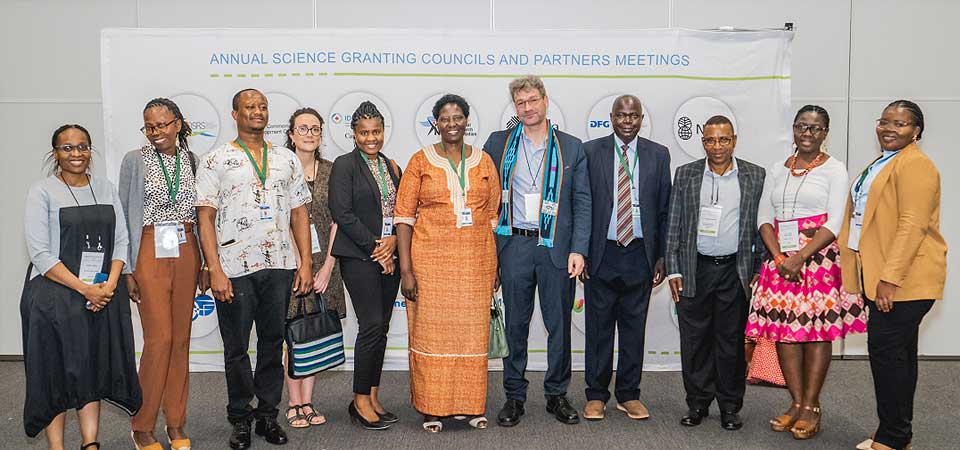
“My research team identified that the farmers sell their unrefined product because they have no access to and cannot afford to use refineries. We have sensitised them to the fact that what they are doing is not scientifically correct” said Prof Kahimba,
SunfloSol aims to develop and commercialise sunflower oil mini-refinery technology to enhance productivity and income of small-scale edible oil processors. The double refined oil purified through these mini refineries is fit for selling in supermarkets and for exports.
“The project offers SME oil processors an appropriate and affordable technology for refining sunflower oil to make products more acceptable and suitable for human consumption, while creating employment and raising income,” said Prof Kahimba.
Similarly, the DECOSAOMEP project aims to develop and commercialise suitable avocado oil mini-extraction plants to enhance productivity and quality of avocado oil in Tanzania. Dr Sigisbert Mathias, based at the Tanzania Engineering and Manufacturing Design Organisation, said, “the project was inspired by the recurring losses of farmers growing avocado for export. Up to 40% of their avocados were often rejected during the export process for not meeting standards. This can discourage the farmers.”
“In Tanzania, avocados are present in excess. There is seasonal abundance of avocados, which, in addition to their short shelf life, leads to little demand on the market. over half of avocado crops are rotting on the ground or being fed to livestock, not using avocado to their full potential,” added Mathias. “Since avocado fruit contains up to 35% oil, the development of technology for extracting this oil will significantly reduce the spoilage and consequently encourage farmers to increase production.”
The SGCI meetings are hosted during 4-8 December. Media wishing to cover the meetings should contact the NRF Media Relations Officer, Bongani Nkosi, at b.nkosi@nrf.ac.za or +27 61 477 3064.
Related News
](https://sgciafrica.org/wp-content/uploads/2026/09/Windhoek.jpg)
Namibia’s role in advancing Africa’s science, technology, and innovation agenda
From commitment to action – Namibia and the SGCI All Partners Forum 2026 Namibia is an important player in African research, and from 28 September to 2 October 2026, the country will host the Science Granting Councils Initiative’s (SGCI) All Partners Forum in Windhoek. With…
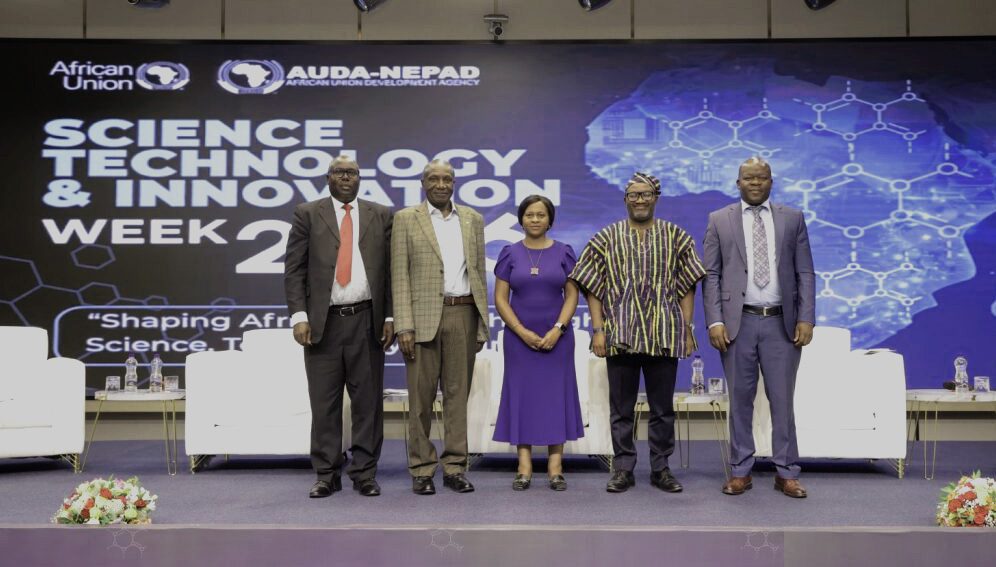
As STISA-2034 call closes, Africa’s research councils look ahead
With the deadline for the SGCI/STISA-2034 Multilateral Call approaching on 25 September, research institutions and consortia that have not yet submitted their expressions of interest have until the end of the day to do so. The Call seeks collaborative research approaches to some of Africa’s…
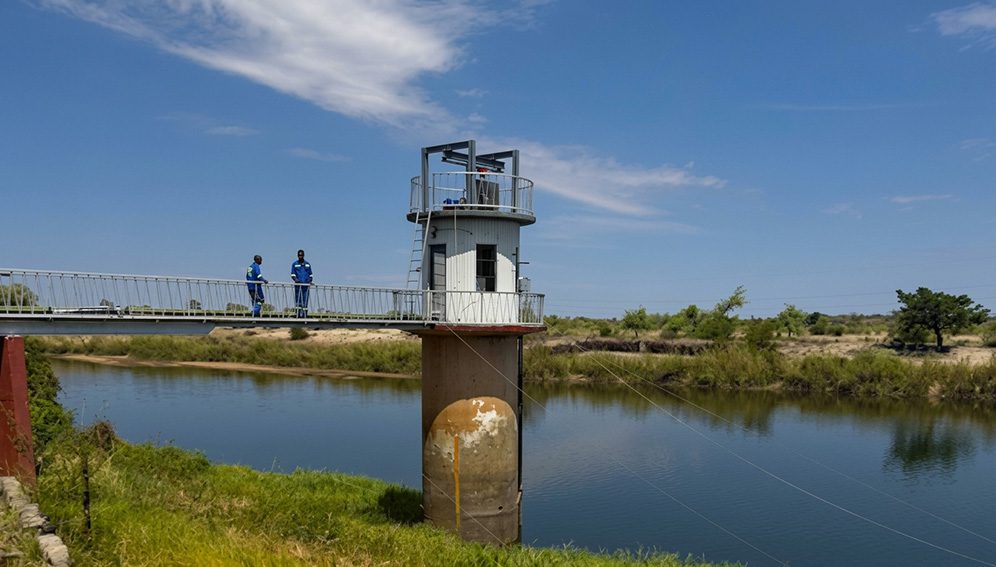
Namibia project uses household data, smart meters to rethink water
In Namibia, having water nearby does not always mean having reliable water at home. In Rundu, a growing urban centre on the perennial Okavango River, households reported the highest level of water insecurity among three towns studied by researchers. The finding illustrates a wider challenge…
Research and Resources

SGCI funded projects
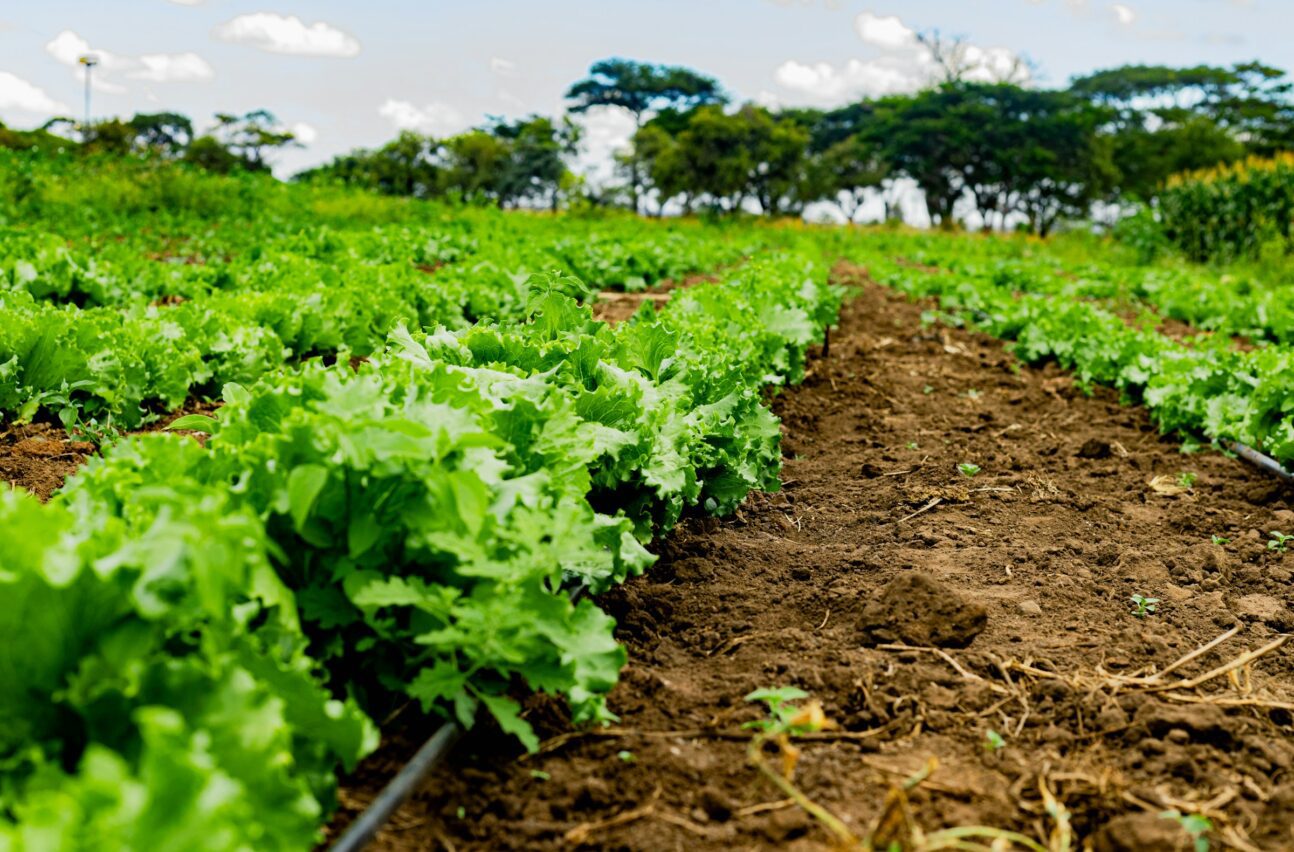
Rwanda’s integrated approach to sustainable agriculture and nutrition
Project Titles & Institution Areas of Research Number of Projects being funded Project Duration Grant Amount In-Kind Distribution Council Collaboration with other councils