
SGCI News
When Zambia’s National Science and Technology Council (NSTC) was established in 1997, its founding vision was to harness science, technology, and innovation to improve the lives of ordinary Zambians. More…
When Zambia’s National Science and Technology Council (NSTC) was established in 1997, its founding vision was to harness science, technology, and innovation to improve the lives of ordinary Zambians.
More than two decades later, that vision is increasingly taking shape through a growing portfolio of research projects that speak directly to the country’s most pressing challenges, from food security and clean energy to maternal health and mineral wealth.
Since joining SGCI in 2015, the Council has managed competitive research grants that are tightly aligned with national priorities, and the results are beginning to reflect what purposeful, home-grown science can look like.
Research rooted in real needs
A look at the SGCI-funded projects managed by NSTC tells a story about a country that knows what it needs.
Zambia is one of the world’s leading producers of copper and lithium, and rather than simply exporting raw ore, researchers are working to add value locally.
James Mulwanda at the Copperbelt University is investigating how to beneficiate (treat or process raw materials) local lithium ore and produce cathode precursors for batteries, while Jewette Masinja is exploring how existing technologies can be modified to help Zambia enter the electric vehicle battery manufacturing industry. Precious Chisala, meanwhile, is focused on recovering and adding mineral value to copper in mine tailings.
Food and agriculture tell a similar story. With smallholder farmers making up the backbone of Zambia’s rural economy, researchers are developing practical solutions for the field.
Ikabongo Mukumbuta is studying soil-extracted microbes to produce bio-fertilisers that can help address low soil fertility. Sam Sichilalu developed a solar-based irrigation model designed to put water management in the hands of smallholder farmers, while a trilateral project coordinated with Mozambique and Malawi is testing solar drying and cooling technologies to reduce the post-harvest losses that cost farmers their livelihoods every season.
Health, gender, and the bigger picture
NSTC-supported research also reaches into Zambia’s health system. A maternal health project led by Priscilla Nkonde Gardner is developing an AI-based risk prediction model to identify high-risk antenatal mothers earlier, with the potential to significantly improve outcomes for mothers and newborns across Zambia, Malawi, and Zimbabwe.
Other projects examined Zambia’s COVID-19 response, from testing natural plant compounds for antiviral properties to geo-spatial modelling of how climate and environmental factors shaped the pandemic’s spread.
Cephas Sialubanje is also examining what drives or limits female participation in science, technology, and innovation, research that could shape more inclusive science policies going forward.
Visibility that works
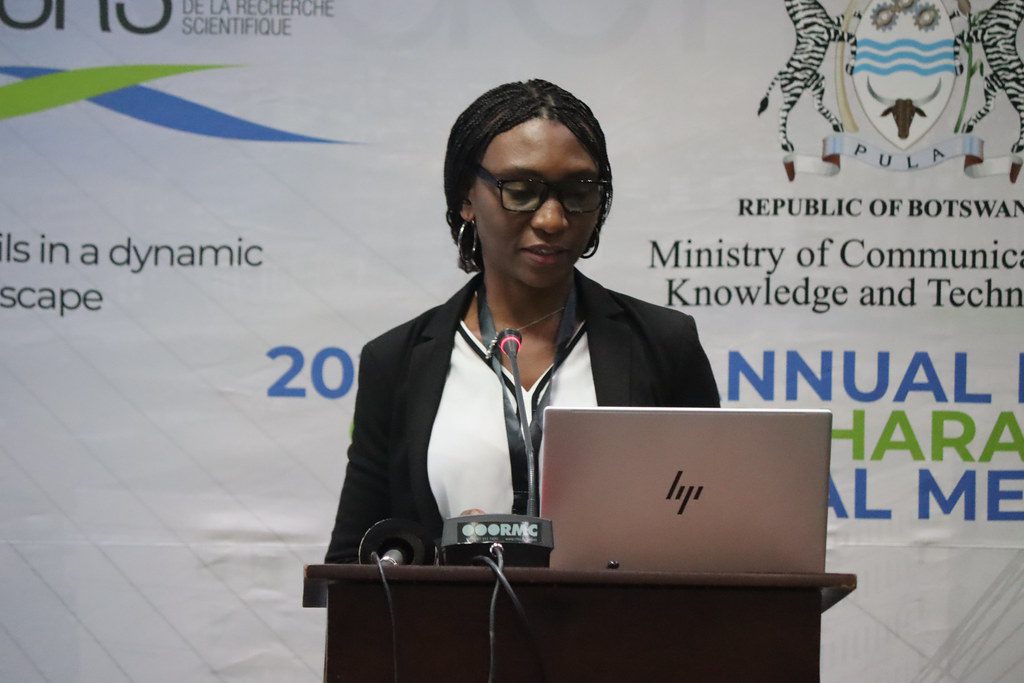
For the NSTC, getting this work seen has mattered as much as getting it done. Atridah Mulonga, programme manager for Grants at NSTC, notes that media coverage of the council’s work has helped place Zambia’s research system within regional and global STI conversations. “The coverage has highlighted research and policy issues, helping to connect the scientific community, policymakers, development partners, and the public,” she says, adding that this has supported greater awareness and transparency around science funding and research impact.
Coming soon: the researchers speak
In the coming weeks, we will spotlight the individual researchers behind these projects to hear directly from them on where their work stands today, what early results are emerging, and whether impact is already being felt on the ground.
Watch this space.
Please check out the stories and let us know what you think. We would love to hear from you!
Let’s continue the conversation on our social media
Published on 3 March 2026
Written by Jackie Opara-Fatoye,
Research project information was provided by Nicholas Odongo, African Centre for Technology Studies (ACTS).
Countries
Council Objectives
Categories
Related News
Kenya’s patent data tells a story we cannot ignore
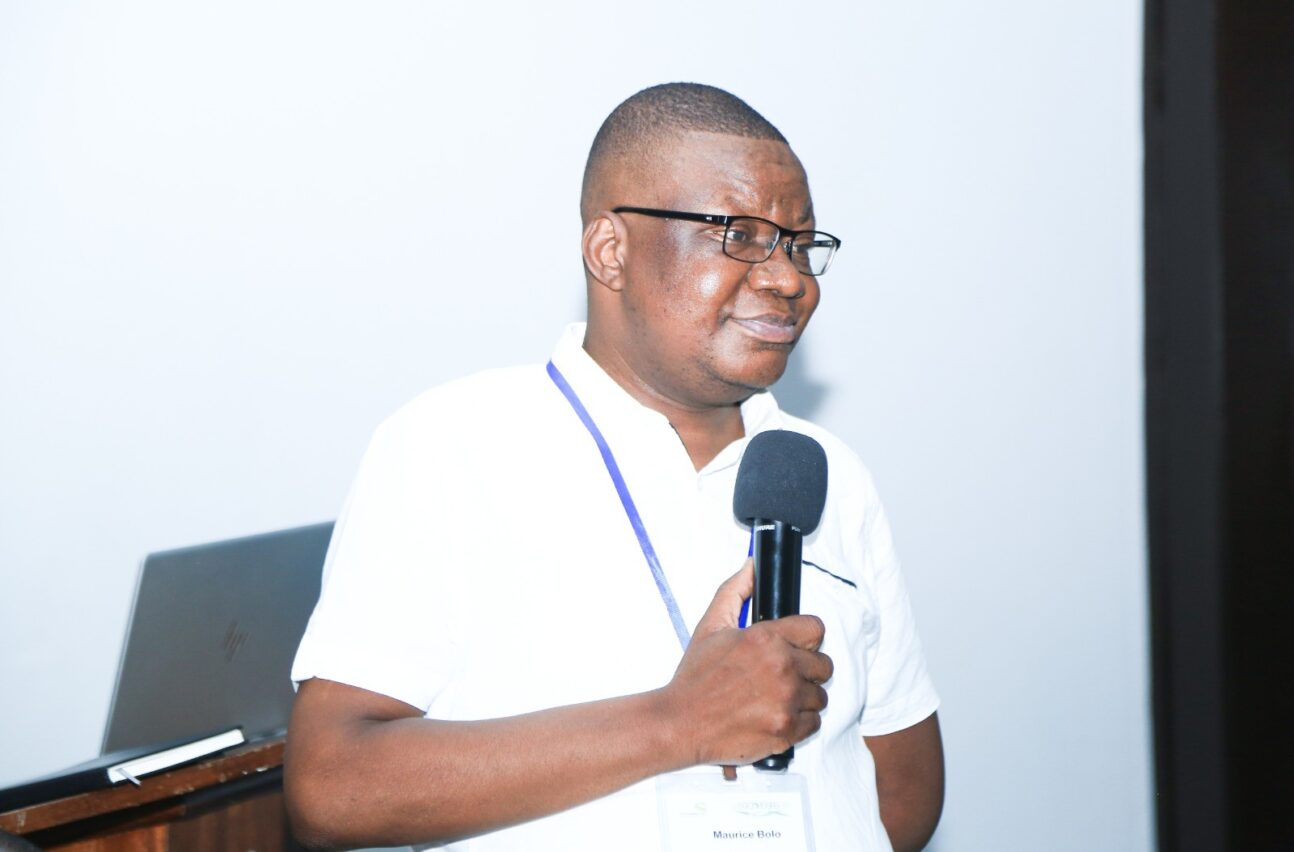
A landmark analysis of three decades of Kenyan patent data reveals a widening innovation gap that demands urgent policy action, argues Maurice Bolo, director of the Scinnovent Centre, Kenya, with implications that SGCI researchers and policymakers across the continent cannot afford to ignore. As the…
Kenya’s NRF explores research chairs programme
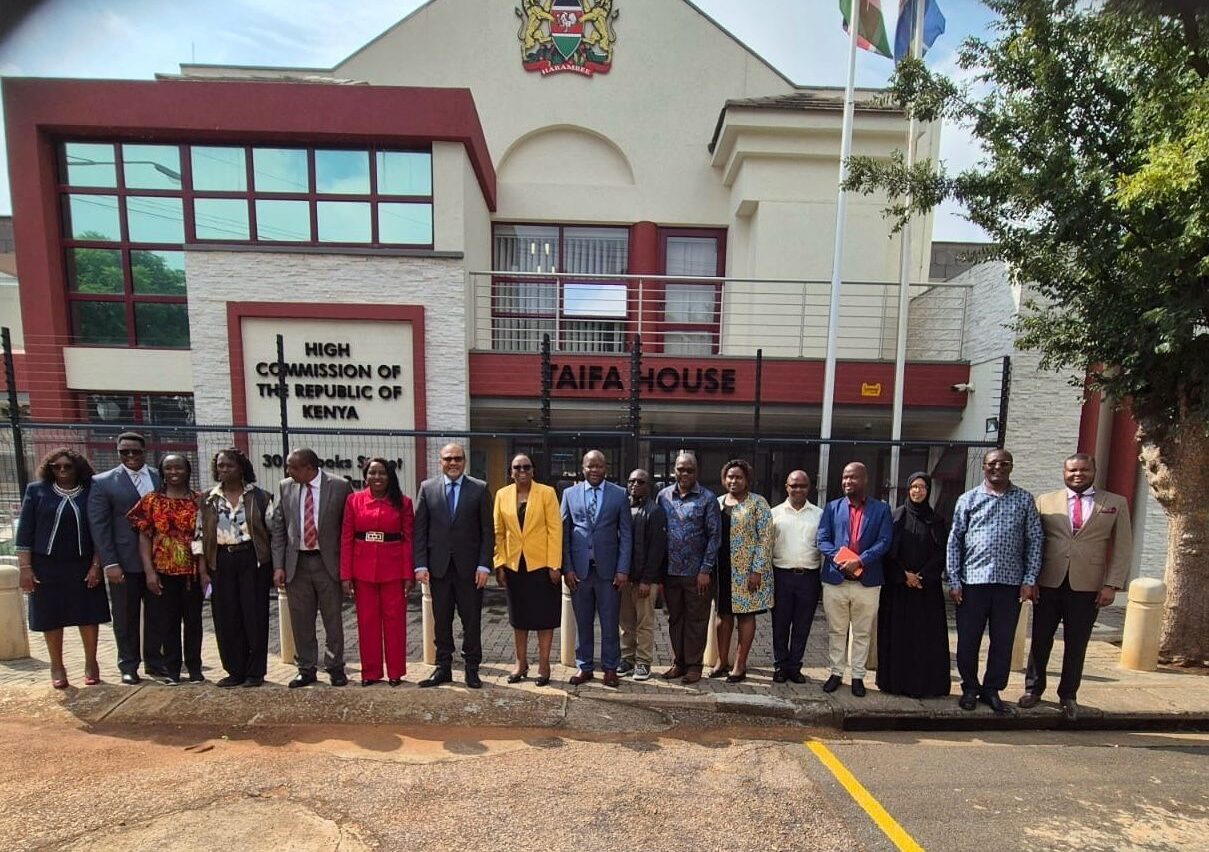
Kenya’s National Research Fund (NRF) is taking early steps toward establishing a national Research Chairs programme in priority sectors, signalling a shift toward more structured, long-term investment in research capacity. A continental partnership for education reform NRF Kenya partnered in the launch of Harnessing Education…
Namibia launches national research infrastructure survey report
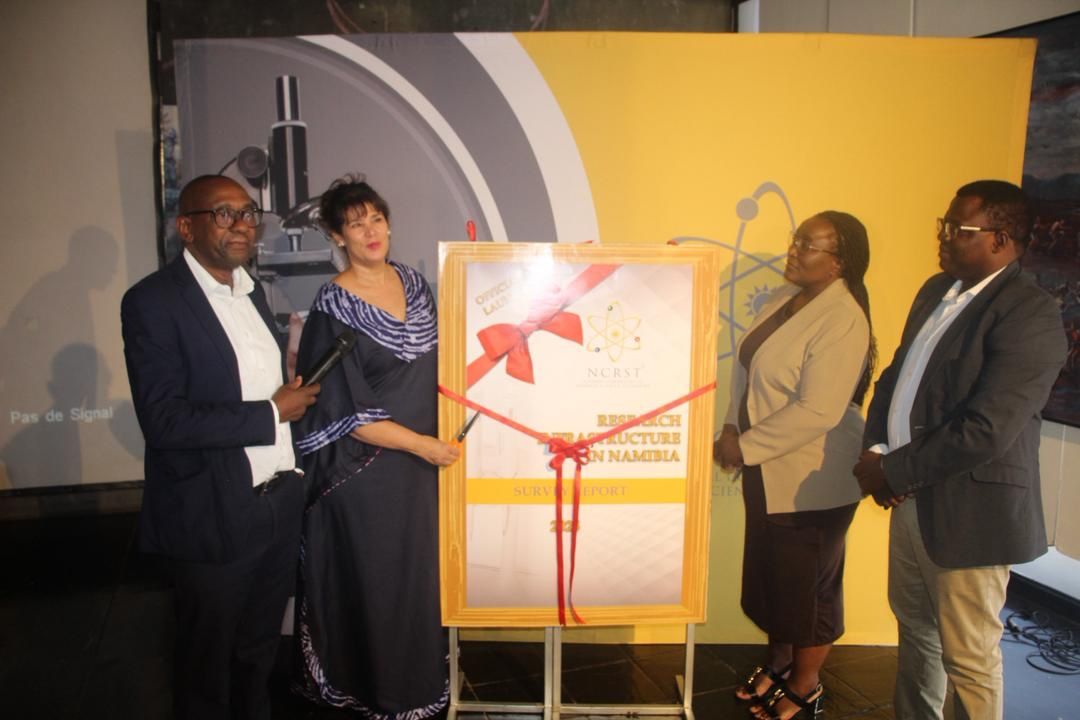
The Namibia National Commission on Research, Science and Technology has officially launched the country’s Research Infrastructure Survey Report, outlining existing research facilities, key gaps, and priority areas for development. The report was presented on 3 March at the Franco-Namibian Cultural Centre in Windhoek before an…


SGCI funded projects

Rwanda’s integrated approach to sustainable agriculture and nutrition
Project Titles & Institution Areas of Research Number of Projects being funded Project Duration Grant Amount In-Kind Distribution Council Collaboration with other councils