
SGCI News
African countries are increasingly leveraging regional collaboration to strengthen their research systems and drive socio-economic progress, inspiring hope for the future of the African science community. In an exclusive video…
African countries are increasingly leveraging regional collaboration to strengthen their research systems and drive socio-economic progress, inspiring hope for the future of the African science community.
In an exclusive video interview, Cephas Adjei Mensah, Director for Research, Statistics, and Information Management at Ghana’s Ministry of Environment, Science, Technology, and Innovation (MESTI), discusses how Ghana and other member countries are benefiting from the Science Granting Councils Initiative (SGCI). He emphasizes how the initiative fosters sustainable funding models and expands global research connections.
Pooling resources vital
Mensah discusses the importance of partnerships in creating sustainable funding models for scientific collaboration. He emphasises co-creation, where multiple countries pool resources to support cross-border research and innovation. He said the Africa Water, Energy, and Food Programme serves as a compelling success story. He also underscores the value of peer-to-peer learning, sharing Ghana’s fruitful collaboration with Zambia, which has enhanced research practices and outcomes in both nations.
He notes that the SGCI has significantly expanded Ghana’s global research connections, instilling optimism about its potential to open doors to platforms like the Global Research Council. This broader engagement promises increased visibility and access to global research networks.
Mensah envisions Ghana’s Science Granting Council becoming a policy driver, strengthening its research funding strategy, and adopting best practices across Africa. He says initiatives like the DEMO forum and the National Research Foundation’s COVID-19 Africa Rapid Grant Funds have fostered funding resilience and sustainability, ensuring that critical research continues even in challenging times.
Learn from each other
Mensah highlights leveraging science granting councils as key tools for building partnerships and fostering independence in African science ecosystems. He talks about the role of peer-to-peer learning through forums, workshops, and collaborative research, encouraging and motivating the audience.
He says the SGCI has enabled connections to external networks, which helps increase councils’ visibility and recognition. He explains how councils could act as enablers by linking institutions and experts, influencing funding decisions through demonstrated expertise and collaborative potential.
Watch the full interview to hear Mensah’s insights on maximizing science collaboration for impact.
SGCi themes
Countries
Council Objectives
Categories
Related News
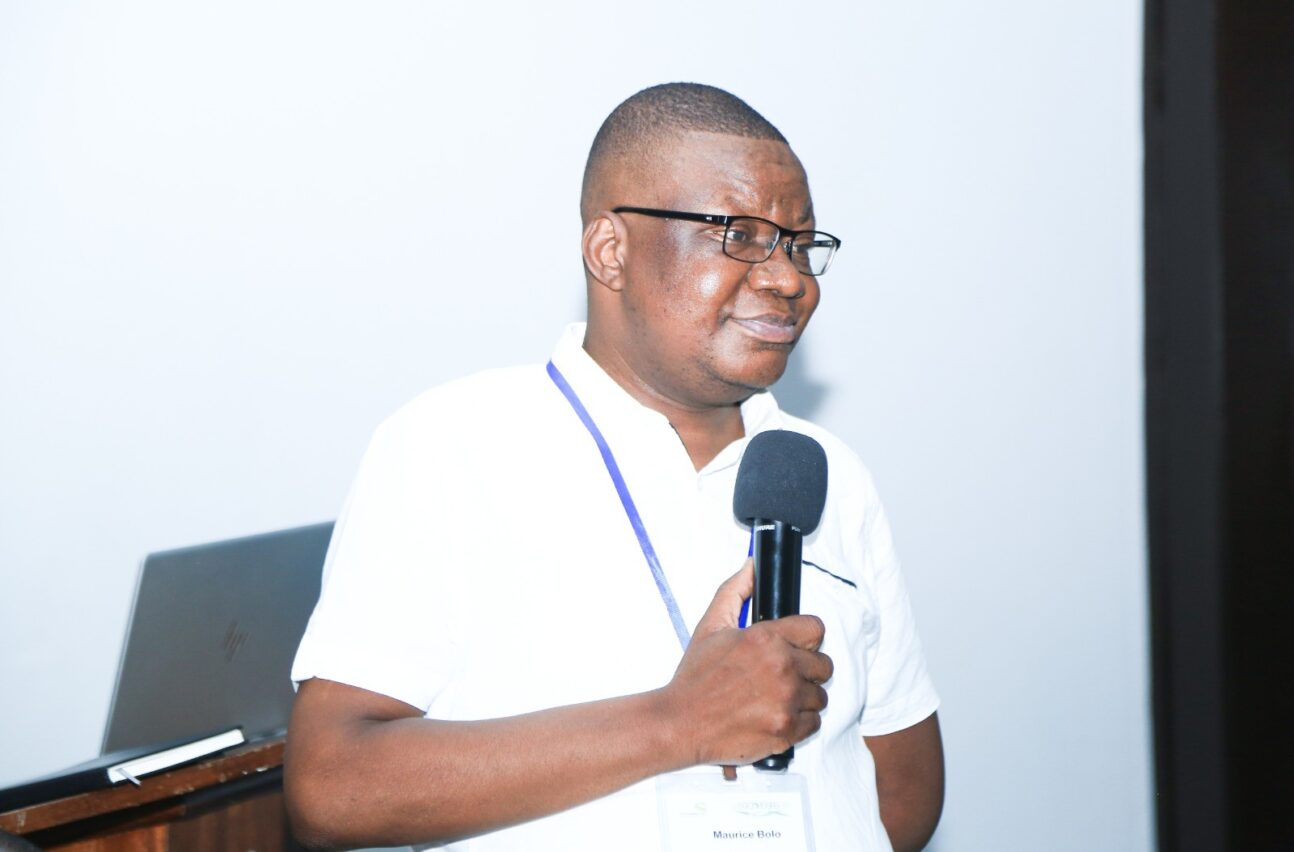
Kenya’s patent data tells a story we cannot ignore
A landmark analysis of three decades of Kenyan patent data reveals a widening innovation gap that demands urgent policy action, argues Maurice Bolo, director of the Scinnovent Centre, Kenya, with implications that SGCI researchers and policymakers across the continent cannot afford to ignore. As the…
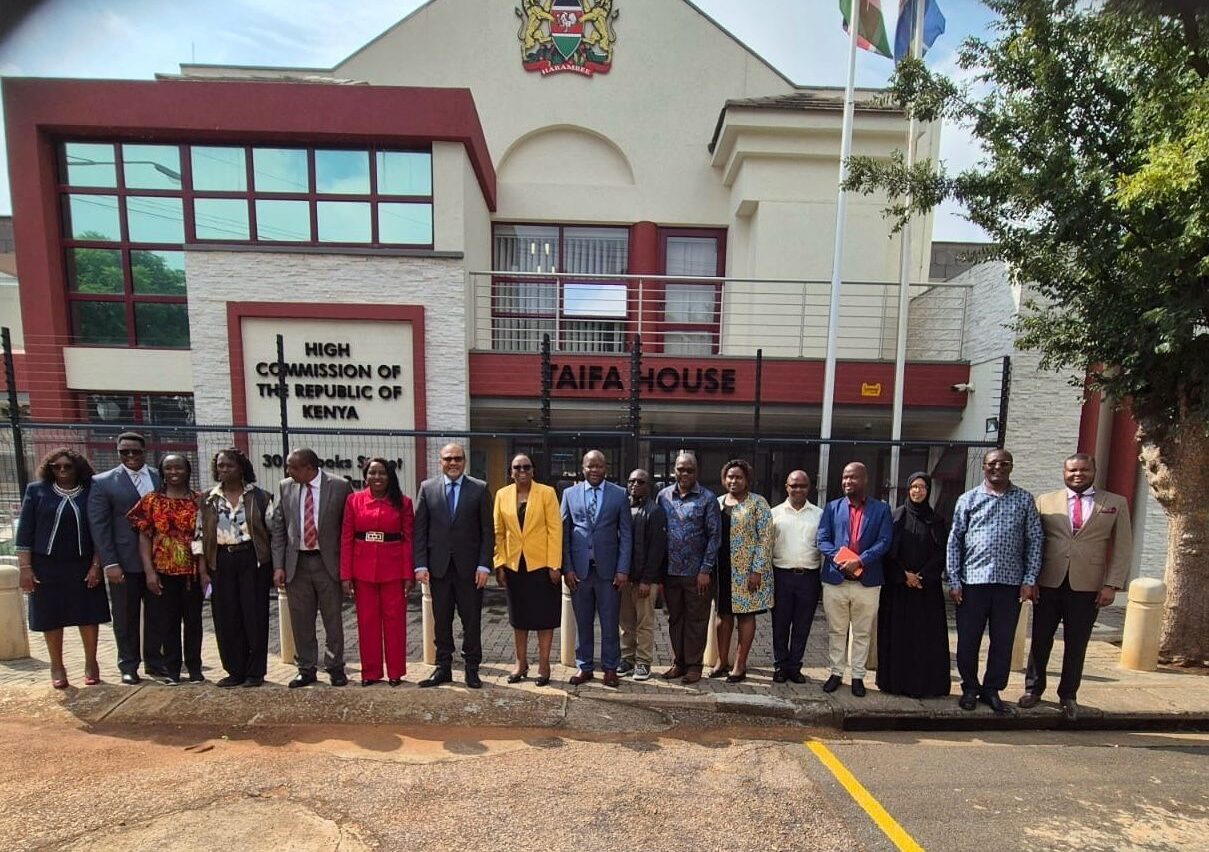
Kenya’s NRF explores research chairs programme
Kenya’s National Research Fund (NRF) is taking early steps toward establishing a national Research Chairs programme in priority sectors, signalling a shift toward more structured, long-term investment in research capacity. A continental partnership for education reform NRF Kenya partnered in the launch of Harnessing Education…
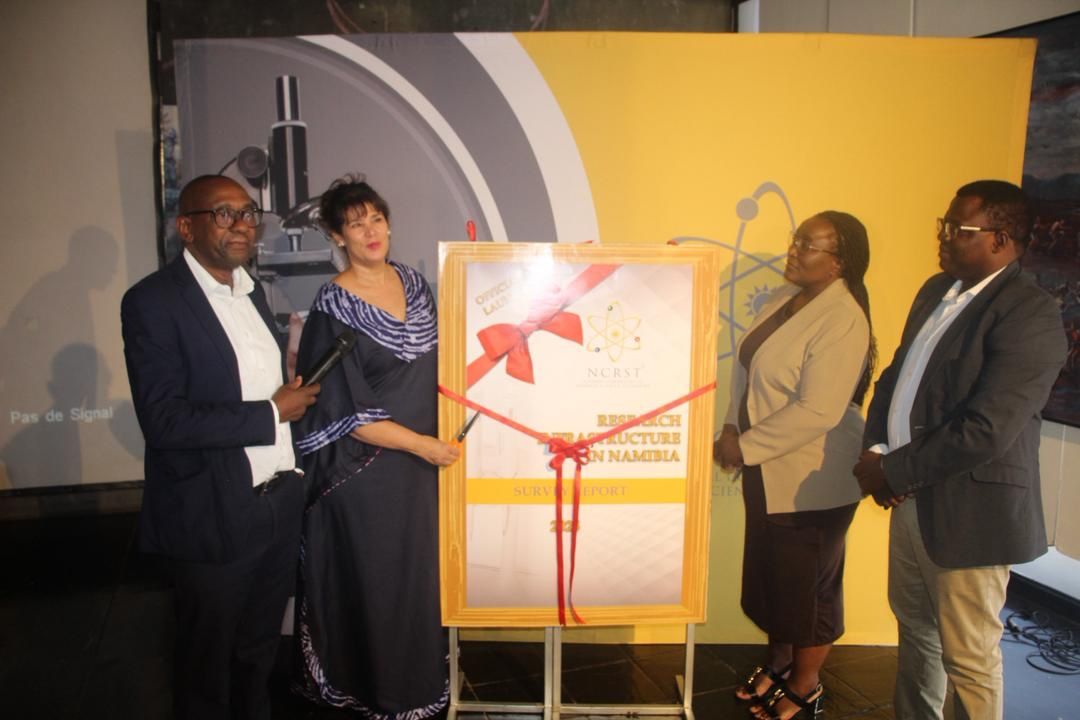
Namibia launches national research infrastructure survey report
The Namibia National Commission on Research, Science and Technology has officially launched the country’s Research Infrastructure Survey Report, outlining existing research facilities, key gaps, and priority areas for development. The report was presented on 3 March at the Franco-Namibian Cultural Centre in Windhoek before an…
Research and Resources

SGCI funded projects

Rwanda’s integrated approach to sustainable agriculture and nutrition
Project Titles & Institution Areas of Research Number of Projects being funded Project Duration Grant Amount In-Kind Distribution Council Collaboration with other councils